
Did you know epoxy coatings are traditionally associated with indoor applications, yet demand for outdoor epoxy floor solutions has surged by 40% in the past decade? Outdoor areas are the new frontier for this remarkably strong and versatile floor coating. As the popularity of transforming patios, pool decks, and commercial walkways with seamless epoxy floors grows, many business owners, property managers, and facility professionals are asking: Can epoxy flooring be used outdoors and what do you need to know before choosing this solution? In this detailed guide, we unveil the science, benefits, and challenges of using epoxy flooring in exterior spaces, helping you make an informed decision that extends both the beauty and utility of your property—far beyond the garage.
“Many business owners are surprised to learn how epoxy flooring stands up to unpredictable weather and heavy foot traffic outdoors.” — Industry Expert
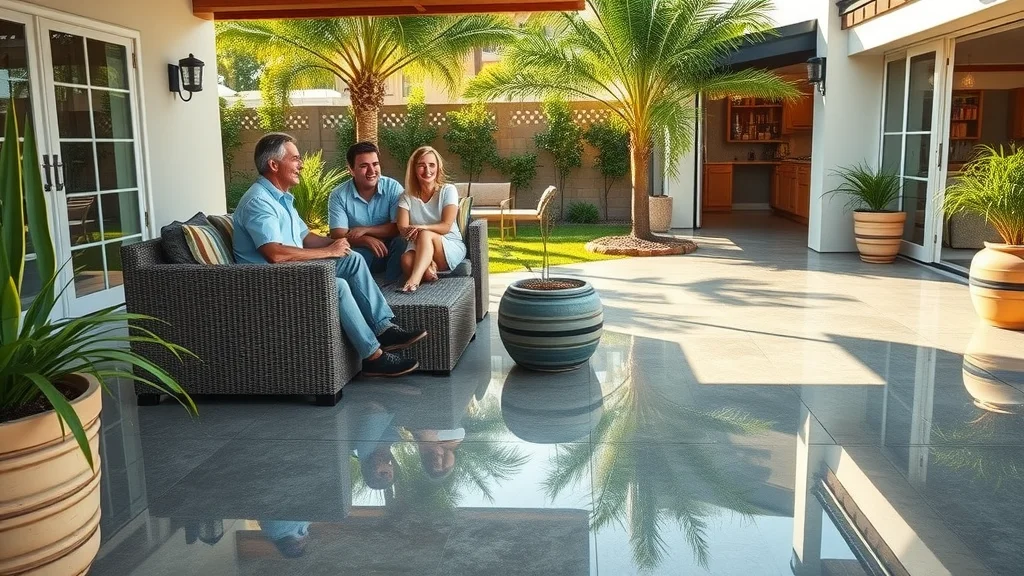
Unveiling the Truth: Can Epoxy Flooring Be Used Outdoors?
The core question—can epoxy flooring be used outdoors—is asked by countless business owners, homeowners, and facility managers each year. Traditionally, epoxy floor coatings and epoxy resin were reserved for warehouse floors, industrial kitchens, and garage floor projects due to their outstanding durability. However, technological advancements have resulted in epoxy products specifically engineered for outdoor concrete and other external applications. When properly installed and maintained, epoxy can transform outdoor spaces like patios, pool decks, walkways, and even commercial entryways into durable, easy-to-clean, and visually striking surfaces.
The key to outdoor success lies in understanding not all epoxies are created equal. Factors like UV rays, rain, drastic temperature shifts, and heavy foot traffic can wear down standard indoor epoxy much faster than specialized outdoor products. Those seeking a resilient, attractive, and functional flooring option for exposed areas should look to modern outdoor floor coating systems—offering improved weather resistance, slip protection for wet zones like pool decks, and longer lifespans even under relentless sun or moisture. This article provides a comprehensive review of the critical considerations, application best practices, and expected performance of outdoor epoxy floors so you can confidently determine if it’s the right choice for your property.
- Did you know epoxy coatings are traditionally associated with indoor applications, yet demand for outdoor epoxy floor solutions has surged by 40% in the past decade?
What You’ll Learn About Epoxy Flooring for Outdoor Applications
- Critical considerations for installing epoxy flooring outdoors
- Key differences between epoxy resin, epoxy coating, and epoxy floor products
- Maintenance, longevity, and performance insights
- How epoxy floor coating options impact outdoor concrete and outdoor spaces
Understanding Epoxy: What Is Epoxy Flooring and Epoxy Resin?
- Definition and Chemistry: Epoxy resin is a thermosetting polymer created by mixing resin and hardener, resulting in a tough, glossy, and adhesive floor coating widely used in industrial and commercial environments. Its chemical structure grants excellent bonding and resistance qualities, perfect for heavy-duty uses.
- Epoxy Floor, Coat, and Coating: While “epoxy floor” refers to a complete flooring system, “epoxy coat” and “epoxy coating” describe the decorative and protective layer applied over surfaces. The terms are occasionally used interchangeably, but the distinction matters—especially for outdoor spaces, where more robust chemical formulas are advantageous.
- Epoxy Flooring Applications: Indoors, epoxy flooring is popular due to its seamless finish and durability against stains, wear, and foot traffic. Outdoors, specialized variants must resist harsh sunlight, rainstorms, and freeze-thaw cycles that are common on patios, driveways, outdoor concrete paths, and pool decks.
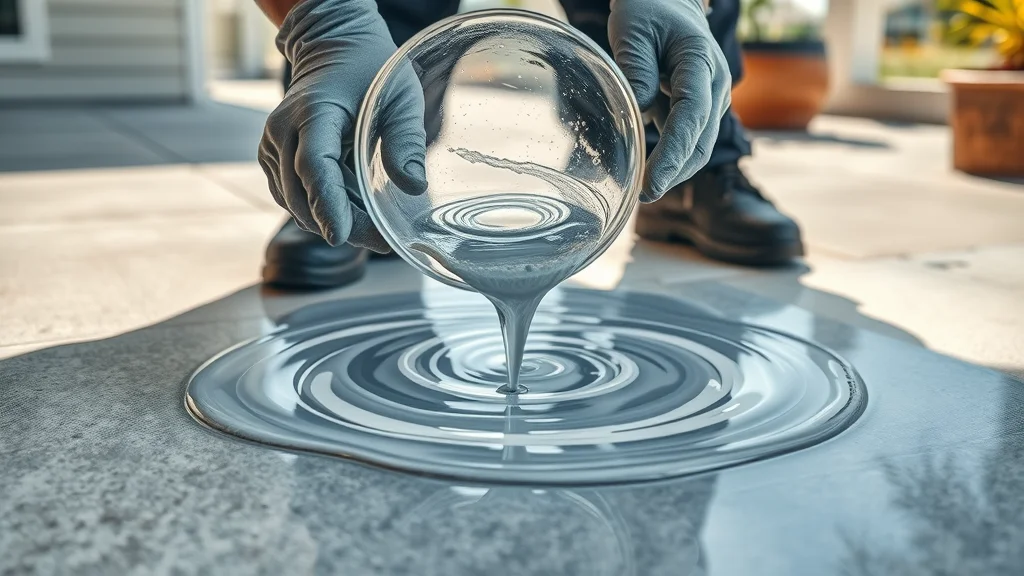
Advantages of Using Epoxy Flooring Outdoors
- Durability Against Elements: Epoxy floor coating is well-known for resisting water, stains, and even harsh UV rays with the right topcoat. In areas seeing heavy foot traffic—like pool decks and entryways—its robust chemistry prevents rapid wear and tear, extending the surface’s usable lifespan.
- Suitable for High-Traffic Zones: Epoxy floor systems are purposely designed for both industrial and high-traffic outdoor spaces. Their seamless finish significantly reduces cracking and chipping—common issues for unprotected concrete surfaces.
- Easy Maintenance: As an easy to clean solution, outdoor epoxy flooring only needs a quick rinse or mild scrub to stay spotless. Unlike textured concrete flooring, dirt, mold, and debris are far less likely to penetrate the surface.
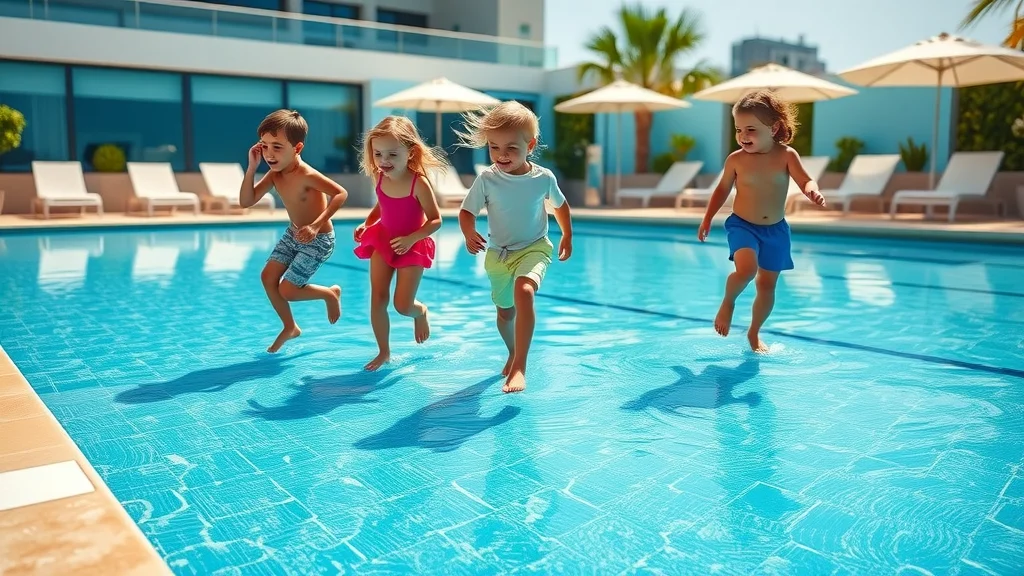
- Safety Benefits: Modern epoxy coatings offer slip-resistant additives, making them ideal for pool decks and wet weather zones. This safety feature is particularly important for facilities concerned with liability or family properties with children.
“Epoxy floor coating transforms problem outdoor spaces into functional, attractive surfaces that last a long time.” — Facility Manager
Potential Challenges: Can Epoxy Flooring Hold Up Outdoors?
- UV Stability Issues: Standard epoxy resin is prone to yellowing and fading with consistent exposure to sunlight. UV-stable topcoats are a must for any long-term outdoor installation to prevent color changes and deterioration.
- Moisture and Temperature Fluctuations: Outdoor environments expose epoxy floors to rain, humidity, snow, and significant daily temperature swings. If the surface isn’t thoroughly prepped and sealed, moisture can become trapped, causing bubbling, peeling, or even surface lifting.
- Limitations in Certain Environments: For outdoor areas that are permanently in shade, exposed to heavy standing water, or are subject to ground movement, epoxy may not be recommended unless a specialty formulation or complementary system (like a polyaspartic coating) is used. Consulting with a professional is wise for unique outdoor settings.
Types of Epoxy Coatings for Outdoor Concrete and Outdoor Spaces
| Type | Typical Outdoor Application | Key Features |
|---|---|---|
| Standard Epoxy Resin | Indoor use, covered patios | Durable, glossy, not UV-stable |
| UV-Stable Epoxy Coating | Patios, pool decks, entryways | Resists yellowing, suitable for sunlight |
| Polyaspartic Floor Coating | Driveways, walkways, commercial outdoor concrete | Faster cure, superior UV/weather resistance |
| Slip-Resistant Epoxy Coat | Pool decks, ramps, outdoor kitchens | Anti-slip, easy to clean surface, customizable texture |
- Specialized epoxy coatings designed for outdoor flooring
- Polyaspartic vs. standard epoxy floor coating for outdoor spaces
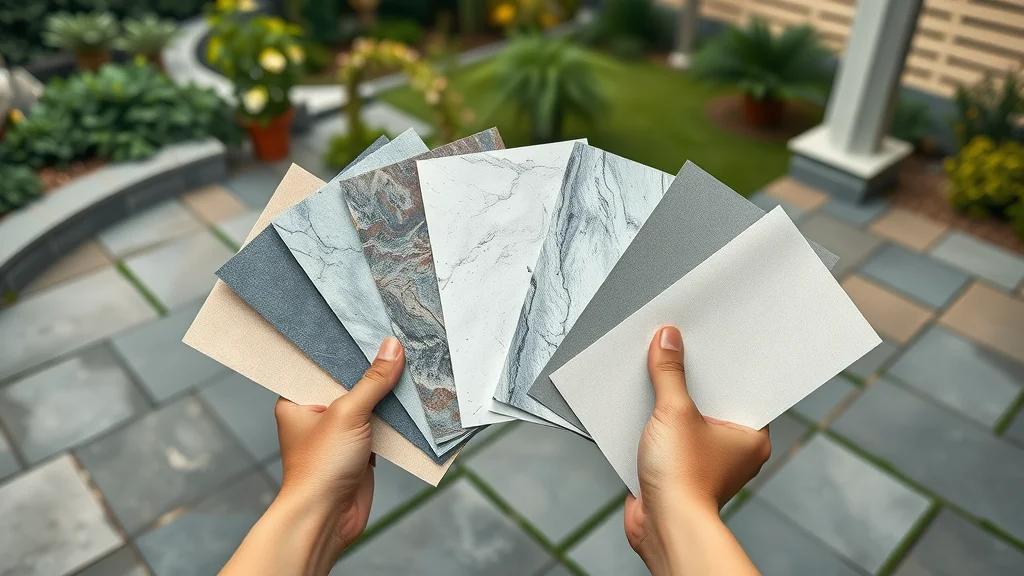
Step-by-Step Guide: How to Apply Epoxy Floor Coating on Outdoor Concrete
- Surface Preparation & Moisture Testing: Begin by deep-cleaning and etching the concrete floor to maximize epoxy adhesion. Use a moisture meter to check for trapped water that could affect curing.
- Priming, Mixing, and Application: Apply a high-quality primer compatible with the chosen epoxy floor coating. Carefully mix epoxy resin and hardener, then spread evenly using the appropriate tools—watching for ambient temperature and humidity, which influence working and curing time.
- Curing and Weather: Outdoor systems require longer curing windows and should be protected from rain or extreme sun during drying. Avoid installation during freezing or very hot periods for best performance.
- Pro Tips: Always use UV-stable products for direct sunlight, incorporate non-slip additives for pool decks and slopes, and consider consulting a pro for large or complex outdoor areas to ensure even, lasting coverage.
Best Use Cases: Where Can Epoxy Flooring Be Used Outdoors?
- Pool Decks: Epoxy coating creates a water-resistant, easy to clean surface with optional anti-slip textures, perfect for pool decks surrounded by heavy traffic and splashing.
- Patios, Walkways, Entryways: Residential patios, garden paths, and business entryways all benefit from a seamless, attractive finish that handles outdoor wear and tear better than unprotected concrete.
- Commercial Spaces: Outdoor dining areas, event spaces, and high-visibility walkways at facilities or business parks see reduced maintenance and increased curb appeal.
- When to Use Alternatives: For extreme environments or locations where ground movement is frequent, consider alternative floor coatings like polyaspartic coatings or stamped concrete.
Maintenance and Longevity: How Long Do Epoxy Floors Last Outdoors?
- Routine Care: Keep wayward debris, leaves, or sand off the epoxy surface by sweeping or rinsing as needed. Periodically check for chips, cracks, or UV damage, especially on exposed outdoor concrete areas.
- Expected Lifespan: Outdoor epoxy floors typically last 3–7 years when premium products and proper installation are combined with regular upkeep. Factors like climate zone, sunlight exposure, and frequency of foot traffic directly affect longevity.
- Repair and Renewal: Minor scratches can often be spot-repaired, while faded or heavily worn epoxy coatings may require re-coating every few years. Proactive maintenance extends the life and look of your floor coating.
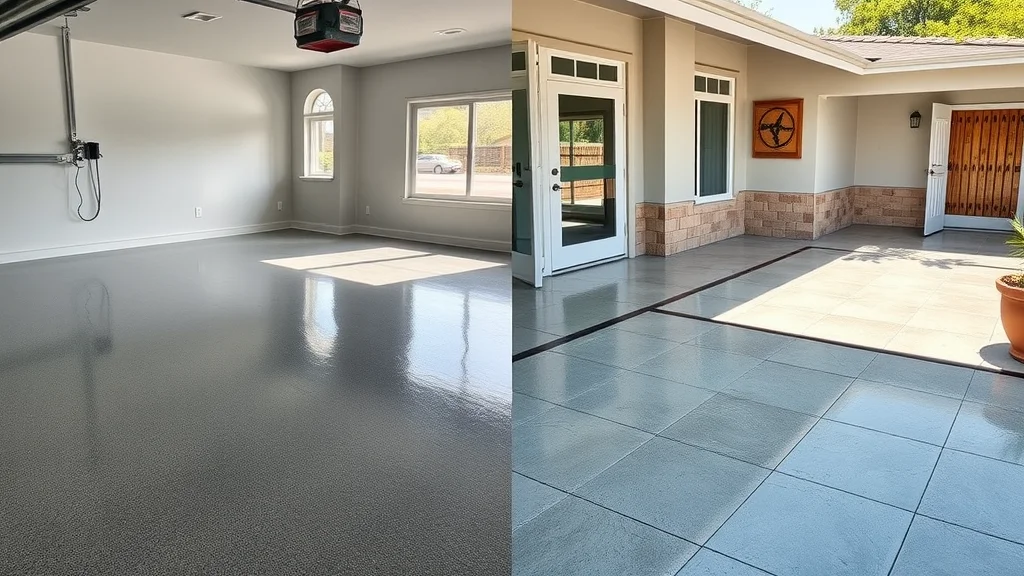
Comparing Indoor vs. Outdoor Epoxy Floor Applications
- Key Differences: Indoor epoxy floors focus on abrasion and chemical resistance but don’t generally include UV shields, flexible resins, or moisture-mitigating additives needed for outdoor flooring.
- Environmental Impact: Outdoor installations must withstand temperature swings, direct sunlight, and rain. Fading, chalking, or premature wear are common if inappropriate products are chosen.
- Surface Options: While most indoor jobs target garage floor or industrial spaces, outdoor flooring option alternatives must match the specific challenges of each environment—considering things like anti-slip requirements and drainage around concrete flooring.
Frequently Asked Questions on Epoxy Floor Coating Outdoors
Will epoxy hold up outdoors?
- Outdoor-rated epoxy floor coating performs well in many climates when chosen and installed correctly. Formulated for UV and water resistance, these surfaces withstand moderate to heavy foot traffic and weather conditions better than untreated concrete surfaces. However, expect faster wear in high-UV and wet settings compared to indoor epoxy resin systems.
How long do epoxy floors last outdoors?
- The service life of an outdoor epoxy floor is usually 3–7 years, determined by factors like product quality, installation, local climate, and ongoing maintenance. UV-stable topcoats and routine cleaning extend longevity, while skipping surface prep or using indoor-only products can drastically shorten it.
Do epoxy floors work outside?
- Yes—outdoor epoxy floors excel in protected patios, covered walkways, and pool decks with proper systems in place. The suitability for fully exposed areas depends on the right formulation, excellent surface prep, and periodic maintenance. Always consult with professionals about the best flooring option for your exterior space.
Is there a difference between indoor and outdoor epoxy?
- Absolutely. Outdoor epoxy incorporates UV inhibitors to combat sun-induced fading and may use more flexible resins to absorb minor slab movement. Indoor epoxy flooring generally omits these, focusing instead on high-gloss appearance and chemical spill resistance for interior environments.
People Also Ask: Additional Insights
Will epoxy hold up outdoors?
- Epoxy floor coatings can perform well outdoors when formulated for exterior use, but prolonged sun exposure and water intrusion may accelerate wear compared to indoor epoxy resin and coatings.
How long do epoxy floors last outdoors?
- With proper preparation, UV-stable topcoats, and maintenance, outdoor epoxy floors can last from 3 to 7 years depending on climate and usage.
Do epoxy floors work outside?
- Yes, particularly in protected or partially covered outdoor spaces, patios, or pool decks, but performance hinges on surface prep and product selection.
Is there a difference between indoor and outdoor epoxy?
- Outdoor epoxy usually includes UV inhibitors and flexible resins to better withstand weather extremes, unlike many indoor epoxy floor coatings.
Essential Tips for Business Owners and Facility Managers
- Set Realistic Expectations: Even with the best products, outdoor epoxy flooring—like any surface—will eventually show some signs of wear and tear. Establish a regular inspection and care routine to maximize performance and appearance.
- Hire Professionals: Proper surface prep, product selection, and installation are crucial for a long time of reliable use. Partnering with experienced installers ensures both safety and quality.
- Regulatory Compliance: Certain facilities must meet local codes regarding slip resistance, accessibility, and drainage. Ensure your outdoor flooring project aligns with all relevant safety and regulatory standards.
Key Takeaways: Can Epoxy Flooring Be Used Outdoors?
- Epoxy is a viable solution for outdoor areas given the right product, prep, and maintenance routine.
- Main benefits include durability, low maintenance, and customizable slip resistance, with UV stability as a critical factor.
- Partner with experts to evaluate your space and choose the best epoxy floor coating for long-term, safe, and attractive results on outdoor concrete.
Get Started with a Free Quote
- Ready to transform your outdoor space? Get started with a free quote or call (508) 799-9019
Epoxy flooring can elevate your outdoor concrete when you select the right formulation, installer, and maintenance plan—ensuring beauty and resilience for years to come.
When considering epoxy flooring for outdoor applications, it’s essential to understand both its potential and its limitations. While epoxy is renowned for its durability and aesthetic appeal indoors, outdoor environments present unique challenges.
Challenges of Using Epoxy Outdoors:
-
UV Sensitivity: Standard epoxy coatings are prone to yellowing and degradation when exposed to direct sunlight. To mitigate this, it’s crucial to use UV-resistant formulations or apply protective topcoats. (topciment.com)
-
Temperature Fluctuations: Outdoor settings often experience significant temperature variations, which can cause standard epoxy to crack or delaminate. Specialized outdoor-grade epoxies are designed to accommodate these changes. (flooringclarity.com)
-
Moisture Exposure: Rain, humidity, and other forms of moisture can compromise epoxy adhesion, leading to peeling or bubbling. Proper surface preparation and moisture-resistant formulations are essential for outdoor applications. (carpetreviewed.com)
Alternative Solutions:
Given these challenges, many experts recommend alternative coatings for outdoor concrete surfaces:
-
Polyaspartic Coatings: These offer superior UV stability, flexibility, and faster curing times compared to traditional epoxy, making them well-suited for outdoor use. (garageforce.com)
-
Polyurethane Coatings: Known for their excellent UV resistance and durability, polyurethane coatings are often preferred for outdoor applications. (sprcoating.com)
In conclusion, while epoxy flooring can be adapted for outdoor use with specialized formulations and proper installation, alternative coatings like polyaspartic and polyurethane may offer more reliable performance in exterior environments.