
Did you know that improperly cleaning your epoxy garage floor can shorten its lifespan by up to 50%? An epoxy garage floor is built to withstand vehicles, spills, and heavy use, but harsh chemicals or casual cleaning mistakes can turn sparkling surfaces dull in no time. For business owners, property managers, and facility managers, understanding how to clean epoxy garage floors correctly is essential not only for aesthetics but for preserving your investment. This comprehensive guide unveils the best methods, products, and routines to keep your epoxy flooring resilient and vibrant year after year.
Unveiling the Truth: Essential Facts About How to Clean Epoxy Garage Floors
Whether you manage a fleet garage, a commercial property, or simply want your business’s workspace to shine, maintaining a pristine epoxy garage floor requires more than just a casual sweep. Epoxy floors are designed for exceptional durability, but they’re also uniquely susceptible to damage from abrasive tools and harsh cleaning chemicals. Proper epoxy floor cleaning protects your investment by guarding the epoxy coating against scratches, premature wear, or a loss of luster—a must for facilities where looks and longevity matter.
Recent industry studies reveal that regular cleaning with the right products can extend an epoxy floor’s life to over 20 years, compared to less than a decade when inappropriate methods are used. That means knowing exactly how to clean epoxy garage floors—from tackling oil stains to daily dust removal—is crucial. If you’re determined to keep your epoxy surfaces shining and safe, integrating the routines and insights in this guide will set your facility apart, ensuring minimal downtime and a professional look every day.

“A well-maintained epoxy garage floor not only looks impressive but can last for decades.” — Facility Maintenance Expert
What You’ll Learn in This Guide on How to Clean Epoxy Garage Floors
- Best practices for cleaning epoxy garage floors without causing damage
- Recommended products and equipment for epoxy floor cleaning
- Common mistakes to avoid when cleaning your epoxy garage floor
- Expert advice on maintaining epoxy garage floors for long-term durability
Understanding Epoxy Garage Floors: Durability and Unique Cleaning Needs
What Makes Epoxy Garage Floors Different?
Epoxy garage floors stand out from basic concrete flooring due to their tough, non-porous, and highly glossy surface. The epoxy coating forms a seamless barrier over the concrete floor, sealing it from water, chemicals, oils, and other contaminants that would otherwise penetrate and stain traditional floors. This makes epoxy floors especially easy to clean with a simple dust mop or damp cloth. However, the smooth epoxy surface, while exceptional at repelling dirt and debris, is sensitive to the wrong cleaning product or rough tools which can scratch or dull its finish. That’s why understanding the specific needs of epoxy flooring is critical for floor maintenance in high-traffic, commercial settings.
In addition, the resilience of epoxy floor coatings means they can withstand daily wear and tear from vehicles, equipment, and foot traffic that would quickly age or damage other floor coatings. However, the very qualities that make them durable also make them prone to showing streaks, scuffs, and embedded debris when not maintained properly. For property managers, knowing these unique properties is the first step towards maximizing the floor’s functional life and visual appeal.
Common Challenges When Cleaning Epoxy Floors in Garages
Despite their resilience, epoxy garage floors present several common cleaning challenges for facility managers and business owners. Oil stains, tire marks, and chemical spills are frequent issues in garages that, if ignored, may lead to discoloration, unsightly dull patches, or even the dreaded “break down the epoxy.” The epoxy finish can also attract dust and residue, creating a slippery or lackluster surface if not properly addressed.
Moreover, garages often accumulate loose debris that acts like fine sandpaper when people walk or vehicles move over the floor, especially if the right cleaning routine isn’t followed. The misuse of a pressure washer or harsh chemicals can also backfire, potentially etching or clouding the epoxy coating. Recognizing these pitfalls makes it possible to implement simple, effective strategies for tackling routine messes and occasional tough stains without risk.

How to Clean Epoxy Garage Floors: Step-by-Step Cleaning Routine
Daily and Regular Cleaning for Epoxy Garage Floors
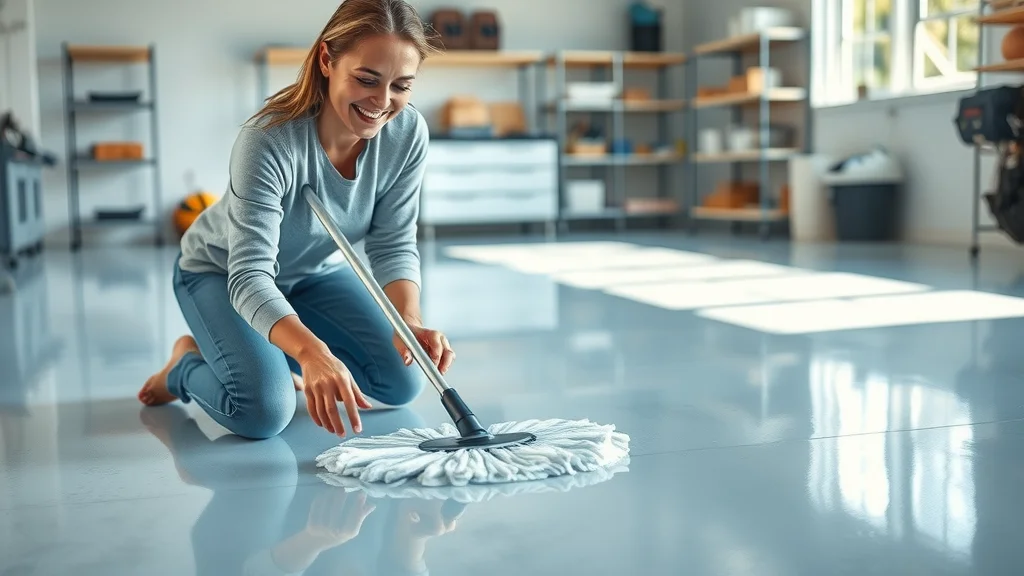
For business environments or high-traffic facilities, a consistent cleaning routine is critical to keep your epoxy garage floor looking spotless and professional. Begin each day by removing dirt and debris using a soft-bristle broom or a microfiber mop. Microfiber mops are particularly effective for trapping dust without scratching the epoxy finish. Afterwards, tackle any sticky spots or residue with a damp mop and a pH-neutral floor cleaner. Avoid cleaners containing acids or strong solvents, which can break down the epoxy and reduce shine.
For most daily grime or light spills, warm water mixed with just a few drops of mild dish soap—such as Simple Green or Dawn—can be used sparingly. Wring mops well to avoid excessive water pooling on the floor, as lingering moisture near seams can eventually seep under the epoxy coating. For routine use, ensure your floor cleaner is labeled safe for epoxy or acrylic surfaces. Focus on areas with the most traffic or where vehicles park, since these spots tend to accumulate more residue. Regular cleaning not only preserves the visual brilliance of your epoxy floors but also extends their life and safety.
- Sweeping and dust control techniques
- Damp mopping essentials
- Recommended garage floor cleaner and solutions for epoxy flooring
Deep Clean: Periodic and Intensive Epoxy Floor Maintenance
Even with consistent daily care, periodic deep clean sessions are necessary to maintain optimal condition, especially in commercial garages or service bays. Schedule a deep clean every few months, or more frequently in heavy-use areas. Start by removing any loose debris with a broom or dust mop, then use a soft scrubber or an automatic floor cleaning machine set to a gentle mode. When using a cleaning solution, stick to pH-neutral products and avoid any with abrasive particles.
For stubborn stains—like oil drips, tire marks, or chemical spills—spot treat with a microfiber pad and a small amount of diluted degreaser approved for epoxy surfaces. Always rinse with clean warm water to remove any cleaner residue. Avoid pressure washing except as a last resort for ground-in grime, and never use high-pressure settings that could lift seams or edges in the epoxy floor coating. Deep cleaning restores shine while preventing small problems from escalating into permanent damage.
- When and how to perform a deep clean on epoxy floor
- Using a soft scrubber or floor cleaning machine on epoxy garage floors
- Tackling stubborn stains without harming epoxy floors
The Dos and Don’ts of How to Clean Epoxy Garage Floors
- Do: Use soft-bristle brooms or microfiber mops to collect dirt, dust, and debris efficiently
- Do: Apply a pH-neutral, non-abrasive floor cleaner or a small amount of mild dish soap diluted thoroughly in warm water
- Do: Conduct spot cleaning for spills or tire marks immediately to prevent staining
- Don’t: Use steel wool, abrasive pads, or harsh chemicals like bleach or ammonia—these can dull or break down the epoxy finish
- Don’t: Soak the floor with water or use high-pressure hoses; standing water can creep under the epoxy surface and cause separation
- Avoid: Strong chemical cleaners, scouring powders, or any cleaning tool not specifically labeled safe for epoxy or acrylic surfaces
Choosing the Right Floor Cleaner for Epoxy Garage Floor Cleaning
| Cleaner Type | Suitable for Epoxy? | Recommended Use | Potential Risks |
|---|---|---|---|
| pH-neutral cleaners | Yes | Daily or regular cleaning | Low risk |
| Abrasive powders | No | Never use | Surface dulling, scratches |
| Pressure wash (light setting) | With caution | Deep clean infrequently | Potential delamination |
| Industrial degreasers | Sometimes | Spot cleaning oil/grease | Check manufacturer guidelines |
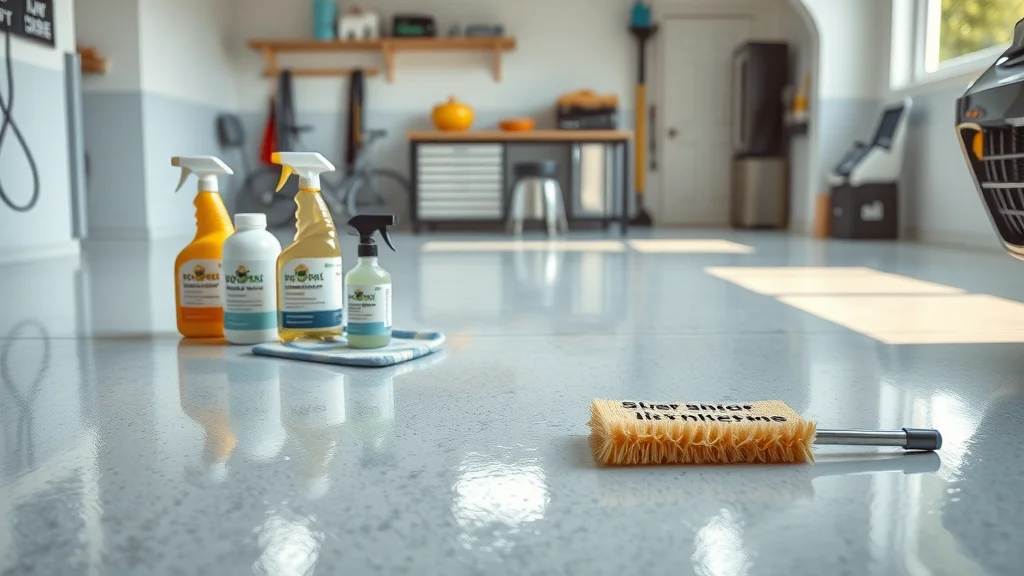
Epoxy Garage Floor Cleaning: Regular Vs Deep Clean Explained
Regular Cleaning for Epoxy Floors in High-Traffic Garages
Regular cleaning is a preventive strategy that keeps epoxy garage floors in top shape between deeper maintenance sessions. In busy settings, such as auto shops or warehouses, daily sweeping and light mopping prevent sand, grit, or spilled fluids from grinding into the epoxy surface and causing dullness or scratches. Prioritize regular cleaning in drive-through areas and work zones where spills or tire marks occur frequently. Over time, this diligence builds a cleanliness standard that’s easy for staff to uphold and goes a long way in preventing the need for aggressive interventions.
For best results, use a dust mop or microfiber tool each day, focusing on the heaviest traffic zones. Stop small messes before they spread, and train cleaning staff on approved products and safe routine methods. Not only does this approach maintain visual appeal, but it also safeguards the epoxy coating and reduces the frequency and intensity of deep cleaning needs.
Deep Clean: When and Why Your Garage Floor Needs It
No matter how faithful you are with regular cleaning, a deep clean is vital to addressing built-up contaminants, stubborn stains, and ground-in grit that basic maintenance can miss. Schedule intensive cleaning every quarter, or after particularly dirty seasons or construction work. Deep cleaning includes pre-treating problem areas, using a soft-bristle scrubber or suitable machine, and thoroughly rinsing the floor to eliminate chemical or soap residues.
Businesses and property managers should inspect the floor for wear, discoloration, or dull areas before each deep clean—these problem spots benefit from an extra pass with recommended cleaning product. Deep cleaning doesn’t just restore shine; it can also help identify areas where additional floor maintenance or recoating may soon be required, helping you plan repairs proactively and avoid costly downtime.
Safe Use of Pressure Washers and Floor Cleaning Machines on Epoxy Garage Floors
Pressure Wash or Pressure Washer: Risks and Best Practices with Epoxy Garage Floors
While a pressure washer might seem tempting for garage floor cleaning, improper use can do more harm than good. Excessive pressure can force water beneath the epoxy coating or chip away at seams, leading to peeling or eventual delamination. When using a pressure wash for deep clean needs, always keep the pressure under 1,000 PSI and use a wide fan tip to evenly distribute force across the epoxy surface. Hold the nozzle at least a foot from the floor at all times and avoid focusing on the same area for too long.
For safer and more efficient cleaning, commercial floor cleaning machines equipped with soft, non-abrasive scrubbers are preferred. These machines lift dirt and residue without risking damage to the durable, but sensitive, epoxy flooring. Always consult the manufacturer’s care guidelines for both the machine and the floor. Remember: less is more—resist the urge to overuse water or strong chemical cleaners which can seep under seams or break down protective coatings.
- Safe pressure ranges for epoxy flooring
- Tips for avoiding water infiltration and floor damage
Demonstration: The Proper Way to Deep Clean Epoxy Garage Floors
Video demonstration not embedded here. For a step-by-step walkthrough, consult reputable epoxy floor maintenance professionals or supplier resources.
How to Clean Specific Stains and Restore Shine to Your Epoxy Garage Floor
Removing Oil, Tire Marks, and Chemical Spills Safely
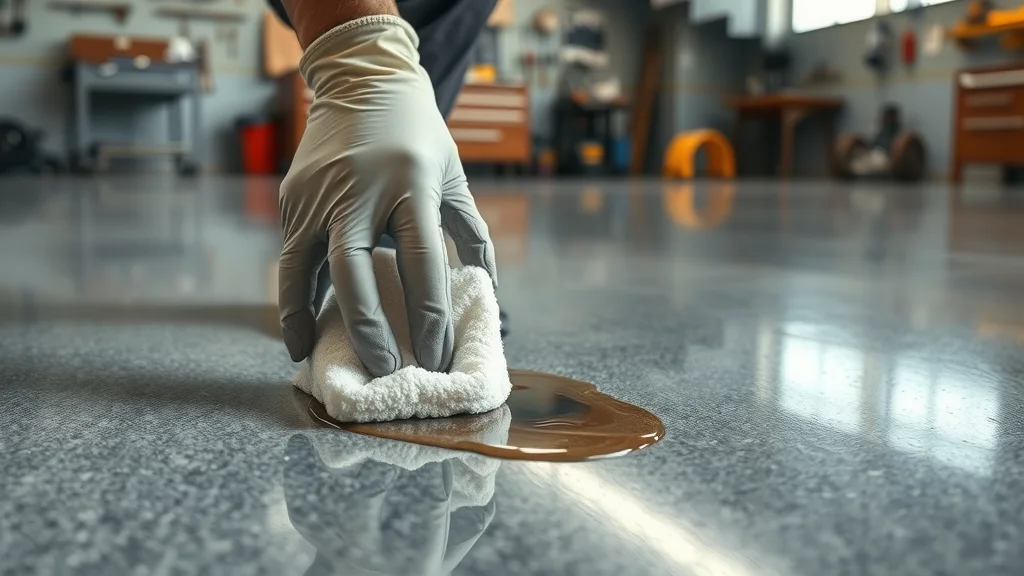
Real-world garages deal with oil drips, tire residue, and the occasional chemical spill—all threats to your epoxy garage floor if left unaddressed. Begin with immediate blotting: use absorbent pads or microfiber towels to soak up spills as soon as possible. Don’t rub; dabbing prevents spreading. For oil or grease stains, apply a small amount of approved degreaser—preferably a pH-neutral cleaning solution—and gently scrub with a soft-bristle pad. Rinse thoroughly with warm water and dry the area completely to avoid slip hazards or lingering residue.
Tire marks may require more dedicated effort. Start by wetting the area, then use a microfiber mop and a mild floor cleaner. Never reach for abrasive powders or scouring tools; they can permanently scratch the epoxy surface. Chemical spills should be removed with copious water and neutral soap, and always refer to the floor manufacturer’s cleaning guidelines. Addressing stains quickly helps preserve your floor’s appearance and function, ensuring your space remains safe and visually impressive.
Making Your Epoxy Floor Shine Again: Polishing and Maintenance
Even the best-kept epoxy floors occasionally lose their luster. Restoring that original high-gloss shine is a smart final step in any deep cleaning routine. First, give the floor a thorough cleaning to remove all dirt, dust, and soap film. Next, if the manufacturer approves, apply a specialty epoxy floor polish or acrylic finish using a soft buffer. These products create a thin, glossy layer that enhances light reflection and protects against further wear.
Avoid household waxes or generic polishes—they can cause sticky build-up or cloud the epoxy coating. In high-traffic areas, buffing with a microfiber pad or using automated polishers can revive that “new floor” look in minutes. Regular application is not usually required; once or twice a year suffices for most commercial garages. This level of floor maintenance can make a dramatic difference, ensuring your facility makes a polished impression on every visitor.

Video Walkthrough: Shining and Restoring Epoxy Garage Floors
For a full video tutorial on restoring shine, consult a professional epoxy floor installer or maintenance specialist.
People Also Ask: Epoxy Garage Floor Cleaning Questions Answered
What is the best cleaner for epoxy floors in a garage?
Answer: Choose a pH-neutral floor cleaner specifically formulated for epoxy floors to protect the surface while removing dirt and grime.
What should you not clean epoxy floors with?
Answer: Avoid acidic or alkaline chemicals, abrasive pads, and harsh solvents, all of which can damage epoxy garage floors.
Can you use Dawn dish soap on epoxy floors?
Answer: A small amount of mild dish soap like Dawn is safe to use with plenty of water, but avoid overuse which can leave a residue on epoxy garage floors.
How do I make my epoxy floor shine again?
Answer: Restore shine by thoroughly cleaning the surface and, if needed, applying a specialty epoxy floor polish or finish.
Frequently Asked Questions About How to Clean Epoxy Garage Floors
- How often should you perform deep cleaning on epoxy garage floors? For most commercial or high-traffic settings, a deep clean every three to four months is recommended. Adjust based on use and visible soil buildup.
- Are there eco-friendly cleaning options for epoxy garage floor cleaning? Yes, many pH-neutral cleaners are biodegradable and safe for the environment. Avoid any product with phosphates or strong chemical solvents.
- Can regular cleaning extend the lifespan of my epoxy garage floor? Absolutely. Timely dust removal and gentle mopping can add years to your epoxy coating, saving on costly repairs or replacement.
- Should I reseal my epoxy floor after cleaning? Periodic resealing is rarely needed. If you notice persistent dullness, consult with a professional about recoating options specific to your floor system.
Key Takeaways: How to Clean Epoxy Garage Floors the Right Way
- Gentle, regular cleaning is best for maintaining epoxy garage floors
- Use only pH-neutral cleaners for routine floor cleaning
- Avoid harsh chemicals, abrasives, and improper tools to prevent damage
- Periodic deep clean and proper stain removal maximizes shine and longevity
Ready to Protect Your Investment? Contact the Epoxy Garage Floor Experts
Get Started with a Free Quote –https://colepainting.com/contact/or call (508) 799-9019
Maintaining your epoxy garage floor is essential to preserve its durability and shine. For a comprehensive understanding of proper cleaning techniques, refer to Angi’s article, “7 Epoxy Floor Maintenance Tips to Keep It Looking New,” which offers valuable insights into daily upkeep and stain removal. Additionally, the guide “How to Clean Epoxy Floors: The One Maintenance Guide” from Epoxy Shine provides detailed steps for both routine and deep cleaning processes. If you’re serious about extending the life and appearance of your epoxy flooring, these resources will equip you with the necessary knowledge and techniques.