
Are you confident you’re choosing the right solution for your high-traffic floors—or could your decision cost you in durability, maintenance, and image? When it comes to choosing epoxy vs polished concrete, the stakes are higher than many realize. Whether you’re planning a new garage floor, outfitting a commercial space, or modernizing an industrial facility, the flooring choice you make now can save— or cost—thousands in the long run. Keep reading to uncover expert insights and practical comparisons that go beyond the surface.
The Essential Guide to Choosing Epoxy vs Polished Concrete
For business owners, property managers, and facility managers, selecting the right flooring solution isn’t just about visual appeal—it’s about performance, longevity, and cost-effectiveness. The decision between an epoxy floor and polished concrete involves detailed consideration of the space’s function, anticipated foot traffic, the risk of chemical spills, and ongoing maintenance requirements. Both options, epoxy floors and polished concrete floors, are popular choices in commercial and industrial settings, each with its unique benefits and challenges.
Understanding these differences is essential before investing. While epoxy flooring offers a seamless, chemical-resistant barrier ideal for garages or warehouses, polished concrete brings a sleek, low-maintenance solution with outstanding light reflectivity—perfect for offices, schools, and showrooms. Properly installed, both options can withstand significant wear and tear, but your final decision will impact everything from maintenance budgets to safety standards and aesthetics for years to come.
Are You Making the Right Flooring Choice for Your Space?
Ask yourself: Is your priority a durable, easy-to-clean garage floor that endures oil and chemical spills, or are you aiming for a modern, reflective surface in an office lobby that impresses clients while minimizing upkeep? Assessing your facility’s daily use, the likelihood of heavy foot traffic, and the type of activities performed will guide you. For example, an industrial warehouse may require unmatched toughness, whereas a boutique showroom may prioritize visual impact. Choices made without considering these core factors can lead to costly remediation later. Expert advice can be invaluable, especially for large-scale commercial and industrial settings. Don’t rush your decision—an informed flooring choice now sets the foundation for future savings and satisfaction.

What You’ll Learn: Key Factors When Choosing Epoxy vs Polished Concrete
-
Understanding the differences between epoxy floor and polished concrete
-
How to evaluate garage floor, industrial, and commercial flooring needs
-
Durability, cost, maintenance, and lifespan comparisons among epoxy floors and polished concrete floors
-
Professional tips for business owners and property managers on optimal flooring solutions
Polished Concrete vs Epoxy Floor: Quick Feature Comparison
| Feature | Polished Concrete | Epoxy Floors | Concrete Floor Alternatives |
|---|---|---|---|
| Installation Process | Mechanical grinding and polishing of existing concrete slab | Epoxy coating applied over prepped concrete surface | Vinyl, tile, or carpet overlays |
| Durability | Highly wear-resistant, withstands heavy foot traffic | Excellent chemical & impact resistance, ideal for high-traffic & spills | Variable, often lower resistance |
| Maintenance | Minimal—regular dust mopping and occasional buffing | Requires periodic re-coating; easy to clean | Frequent cleaning and potential for replacement |
| Appearance | Natural, matte or high-gloss finish; industrial chic | Customizable colors, graphics, logos, high-gloss or matte finish | Variety of designs, but may lack industrial resilience |
| Cost (per sq ft typical)* | $3–$10 (including polishing) | $4–$12 (including surface prep and coating) | $2–$8 (material dependent) |
| Best Uses | Offices, retail, showrooms, schools, warehouses | Garages, factories, warehouses, kitchens, labs | General commercial, residential light use |
*Estimates vary by region and project scope.
Understanding Epoxy Flooring: What Is an Epoxy Floor?
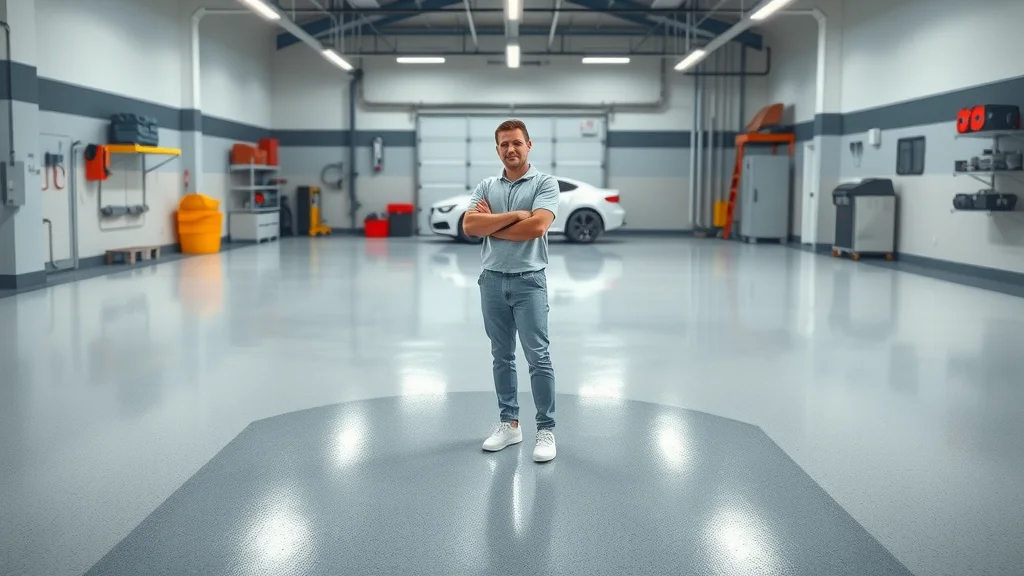
Epoxy flooring is a cutting-edge flooring solution using a blend of resins and hardeners applied over a concrete slab. Once cured, it forms a high-strength plastic surface, perfectly sealed and highly durable—a popular choice for garage floors, warehouse aisles, and environments at risk of chemical spills. The unique characteristics of epoxy flooring provide a seamless, non-porous barrier that can stand up to heavy foot traffic and resist harsh cleaners or oil, making it an excellent choice for various commercial and industrial settings. Its light reflectivity is an added bonus for poorly lit or expansive areas, brightening workspaces without additional energy costs.
Beyond durability, epoxy floors offer impressive versatility in design. With limitless color options, finishes that range from subtle matte to glass-like gloss, and the ability to integrate safety striping or even corporate logos into the floor, it is an obvious favorite for businesses wanting a polished look with substance. Maintenance is also straightforward—a properly installed epoxy coating is exceptionally easy to clean, minimizing downtime for facilities that require frequent sanitation or operate around the clock.
Key Characteristics of Epoxy floors for Garage Floors and Commercial Spaces
-
Seamless, chemical-resistant surface
-
Customizable colors and finishes
-
Ideal epoxy flooring for high-traffic areas
-
Garage floor and industrial uses
“Epoxy floors have gained prominence for environments that require both resilience and visual impact,” – Flooring Solutions Specialist
All About Polished Concrete Floors
Polished concrete flooring transforms ordinary concrete slabs into sleek, lustrous surfaces renowned for both form and function. Through a multi-step grinding and polishing process, the concrete floor becomes dense, dust-free, and highly reflective. This method not only enhances the visual appeal but also boosts the durability of the underlying concrete, reducing wear from foot traffic and machinery. Because the finish is integral to the concrete itself, there’s no risk of delamination or surface coating failures later—a major asset in high-traffic commercial and industrial settings where long-term performance matters most.
One of the strongest appeals of polished concrete floors is their minimal maintenance requirement. Once polished, these floors resist stains, repel moisture, and only need regular sweeping and occasional damp mopping to maintain their mirror-like shine. Their natural, understated aesthetic is increasingly popular in offices, retail environments, and schools seeking a modern, sustainable look that can stand up to daily abuse while impressing clients and customers alike. With polished concrete, utility meets design in a flooring option that ages gracefully, often outlasting other alternatives.
How Polished Concrete and Polished Concrete Flooring Are Created
-
Mechanically grinding and polishing the concrete slab
-
Achieving a reflective, easy-to-clean surface
-
Natural look for concrete floors in commercial properties
“Polished concrete’s durability and aesthetic simplicity make it a favorite for modern business spaces,” – Facility Manager
Comparing Epoxy Floors and Polished Concrete: Key Considerations
When weighing epoxy vs polished concrete, it’s crucial to compare durability, installation process, cost, and long-term maintenance. Each flooring system has distinct advantages, and the better choice hinges on your facility’s priorities. For example, an epoxy floor may offer superior chemical resistance and tailor-made branding, while polished concrete excels in low-maintenance, eco-friendly environments where aesthetics matter. Before you decide, consider how these two solutions will handle ongoing wear and tear, impact safety standards, and match your location’s architectural style.
Let’s break down the major variables to see how both flooring options stack up in the real world, guiding you to the flooring solution that meets your needs now—and years into the future.
Durability & Longevity: Which Surface Lasts Longer?
Both epoxy floors and polished concrete are engineered for resilience, but their longevity depends on several factors including installation quality, maintenance, and the types of traffic they endure. Polished concrete shines in high-traffic public spaces, resisting scratches and stains with ease due to its dense, hardened finish. Many facilities report a service life well over 20 years with minimal intervention—especially if foot traffic and impact loads are more frequent than chemical spills. On the other hand, epoxy flooring offers unique toughness in environments exposed to abrasive wear, vehicles, or aggressive substances. Properly installed and periodically refinished, epoxy floors can last 5–15 years or longer, even in messy industrial settings.
One potential challenge with epoxy is vulnerability to UV light (which can cause yellowing) and damage from heavy impacts if not repaired promptly. Similarly, polished concrete, while tough, can succumb to surface etching if constantly exposed to acidic materials. In both cases, the secret to maximizing their lifespan is regular cleaning, periodic professional evaluation, and quick response to any signs of cracking or damage—ensuring the integrity of your facility’s most walked-on asset for years to come.

Installation and Curing Time: Epoxy Flooring vs Polished Concrete
The installation timeline can make or break a project’s schedule, especially when business operations depend on fast turnaround. For epoxy flooring, the preparation involves thorough concrete slab cleaning and crack repairs, followed by application of primer, multiple coats of epoxy, and an average curing period of 24–72 hours depending on product and weather. Some advanced epoxy systems now promise fast-cure capabilities, but most commercial projects still require patience for optimal results. Extended drying time before heavy equipment or traffic is critical to avoid surface damage.
Polished concrete, in contrast, requires a staged grinding and polishing process using progressively finer abrasives. While there’s no drying period like with coatings, the work can take several days for large surfaces. However, since there’s no “curing” after grinding, spaces are often ready for light use immediately upon completion—a significant advantage in time-sensitive renovations. Ultimately, your choice may depend on whether speed, minimal disruption, or finish quality takes precedence for your business or property management goals.
Cost Factors: Is Polished Concrete or Epoxy More Affordable?
Budgeting for a new floor always demands clarity, especially with rising materials and labor costs. Both epoxy floor and polished concrete floor solutions have variable pricing based on surface area, preparation, customization, and local rates—but here’s a look at how the numbers commonly break down:
| Expense Category | Epoxy Floor | Polished Concrete Floor |
|---|---|---|
| Installation (per sq ft) | $4–$12 | $3–$10 |
| Preparation Costs | High (surface repair, patching, priming) | Moderate (grinding required) |
| Customization (colors, logos, graphics) | Yes (variable costs for intricate designs) | Limited (aggregate exposure, dyes possible) |
| Ongoing Maintenance | Re-coating needed every 5–10 years ($1–$3/sq ft) | Rare (buffing and sealing, minimal cost) |
| Average Lifespan | 5–15+ years (with maintenance) | 15–25+ years (with maintenance) |
For most projects, polished concrete flooring tends to have a lower long-term cost of ownership, while epoxy coating offers unique value in demanding, highly customized, or harsh chemical environments. Choosing epoxy vs polished concrete ultimately hinges on your needs for design, upfront investment, and expectations for care.
Slip Resistance, Safety & Hygiene: Which Flooring Solution Wins?
-
Floor slip resistance ratings for garage floors, commercial kitchens, and warehouses
-
Easy-to-clean properties and hygiene standards
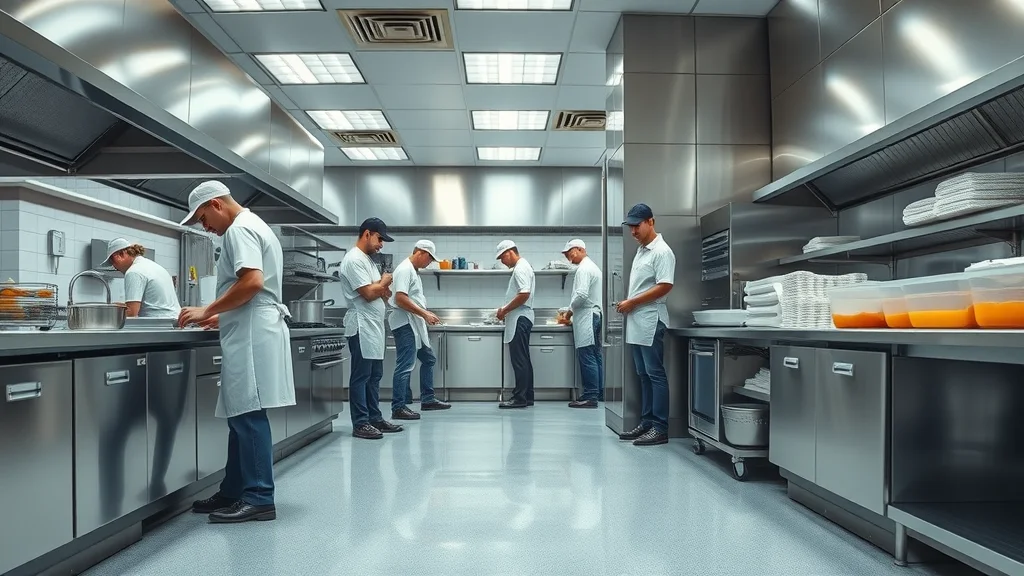
Safety in commercial and industrial settings is non-negotiable, especially in spaces where slip hazards or contamination risk are daily concerns. Epoxy flooring can be formulated with anti-slip additives, making it a top choice for wet areas like commercial kitchens and workshops where fluid spills are common. The seamless surface ensures no trapped bacteria, supporting hygiene compliance and easy sanitization—key for food processing, laboratories, and medical facilities. Polished concrete floors, with a dense, smooth finish, are naturally more slip-resistant than untreated concrete, but may become slick when wet, especially at higher gloss levels. Specific texturing during the polishing process or application of non-slip sealers can improve traction, bringing the surface to par with the best epoxy systems in high-risk environments.
For spaces with constant foot traffic, heavy carts, or public access, prioritize a flooring system certified for slip resistance and proven to be easy to maintain clean standards. Both epoxy and polished concrete can fit this bill with proper specification and installation—consulting with experienced contractors can help you select the exact finish or additions required for code compliance and peace of mind.
Aesthetic and Design Options: Polished Concrete and Epoxy Floors
-
Design versatility of epoxy floors (colors, graphics, logos)
-
Styles for polished concrete floors (matte, high-gloss finish options)
-
Flooring choice implications on brand image
Today’s floors do double duty—supporting operations while reflecting brand aesthetics and company stature. Epoxy floors stand out for supreme design flexibility: choose any color, install symbolic striping, create embedded mosaics, or highlight safety zones. Some brands take advantage of the metallic, quartz, or flake enhancements available only with a high-tech epoxy system, impressing clients and energizing employees daily. Polished concrete, meanwhile, offers a subtler but equally sleek effect. Available in matte, semi-gloss, or dazzling high-gloss, its beauty comes from the natural concrete floor below, optionally enhanced with stains, exposed aggregate, or creative scoring.
When it comes to shaping your business’s image, the flooring option you select will make a statement whether you aim for cutting-edge modern or timeless industrial. Consider the “wow” factor for customer-facing spaces, balanced with practicality and ongoing maintenance. The right choice blends branding with function, making your floors work just as hard as you do.
Maintenance Needs for Epoxy and Polished Concrete Floors
-
Regular cleaning routines
-
Long-term maintenance to extend floor life
-
Repair scenarios for each flooring solution
One of the main advantages of both epoxy flooring and polished concrete is their low maintenance profile compared to traditional flooring options. For epoxy floors, routine sweeping and occasional mopping with non-abrasive cleaners are usually enough to keep the shine. Periodic inspections for chips or abrasions are a must, as targeted spot repairs or re-coating extends the floor’s reliable lifespan. This makes the solution both time and cost efficient for busy property managers and maintenance teams.
Polished concrete, on the other hand, is famed for requiring even less care. Its densified, sealed surface resists dust and stains, and can be brought back to a like-new finish with simple mechanical buffing. Major repairs, such as crack or deep scratch fixes, are easily blended during scheduled re-polishing cycles—so your concrete floor remains as beautiful as it is functional, for years on end.

Environmental Considerations: Sustainability in Concrete and Epoxy
-
Eco-friendly flooring solutions and material sourcing
-
VOC emissions for epoxy flooring vs polished concrete
With green initiatives top-of-mind for many businesses, eco-impact often sways flooring decisions. Polished concrete flooring outshines most alternatives in this regard—it utilizes the existing concrete slab, avoids new material consumption, and releases little-to-no volatile organic compounds (VOCs). Maintaining polished concrete also requires less water, energy, and chemicals over time, making it a staple for LEED-certified spaces and sustainable construction projects. Epoxy floors, while durable, rely on petroleum-derived resins and may emit VOCs during installation (though many “low-VOC” formulas are improving environmental profiles). Epoxy’s frequent re-coating can add to lifecycle impacts. However, its long service life and ability to reduce replacement flooring needs still offer a valid argument for sustainable use in demanding environments—especially when overall facility durability is a priority.
If environmental impact strongly influences your flooring choice, consult with your contractor about low-VOC epoxy systems or enhancement of existing concrete slabs to minimize ecological footprint. Facility managers with sustainability targets should evaluate ongoing maintenance needs and energy savings from increased light reflectivity in their selection process.
Where Epoxy Floors and Polished Concrete Excel: Best Applications
-
Industrial warehouses
-
Retail showroom
-
Garage floors
-
Office buildings and schools
Epoxy floors are unbeatable in automotive workshops, production plants, and spaces prone to chemical spills or heavy machinery movement. Their seamless, customizable surface controls dust and ensures rapid cleanup of oil, fuel, or other industrial messes. Conversely, polished concrete reigns in quiet elegance where a refined, hard-wearing floor adds value without drawing attention—think modern offices, educational facilities, and upmarket retail locations. Both options surpass alternatives for sheer longevity and resilience, far outlasting vinyl, tile, or carpet in the face of daily wear and tear and the demands of high-traffic, high-visibility environments.
Each system’s unique strengths—epoxy’s chemical resistance and design possibilities; polished concrete’s maintenance simplicity and understated beauty—mean your final choice should stem from your space’s primary function and occupant expectations.

People Also Ask: Is polished concrete better than epoxy?
Defining ‘Better’: Performance, Cost, and Suitability in Choosing Epoxy vs Polished Concrete
“Better” is highly subjective in the world of flooring choice. For some, polished concrete is better due to its longevity, remarkable ease of maintenance, natural appearance, and sustainable profile. It’s an excellent choice for public buildings, offices, and retail where ambient light, aesthetic simplicity, and low total cost are priorities. Epoxy floors win in industrial settings, garages, or spaces susceptible to chemical spills, where their easy cleaning and custom branding are crucial. A property manager should weigh traffic type, exposure risk, desired finish, budget, and long-term cleaning routines. The most appropriate flooring solution isn’t one-size-fits-all—it’s what fits your facility’s needs, style, and ongoing operations best.
People Also Ask: What is cheaper, polished concrete or epoxy?
Price Comparison: The True Cost of Choosing Epoxy vs Polished Concrete
In general, polished concrete floors have a lower upfront cost, especially when leveraging a pre-existing concrete slab needing only minimal repairs. Average prices for polished concrete run $3–$10 per square foot, while epoxy coatings typically fall in the $4–$12 range, depending on custom features. Factor in periodic re-coating for epoxy, and over decades, polished concrete typically remains the more affordable solution. The only exception is when extreme customization or added durability is required—then epoxy offers unmatched value for specialized settings like garages or food processing plants. Always request a tailored quote based on your facility’s square footage, condition, and design needs for transparent budgeting.
People Also Ask: What is the downside of epoxy flooring?
Potential Disadvantages When Choosing Epoxy Flooring over Polished Concrete
Despite its many advantages, epoxy flooring comes with several important caveats. First, improper installation or surface prep can lead to chipping, peeling, and delamination, especially in damp or unsealed substrates. Re-coating may be needed every 5–10 years, adding to lifecycle cost. Epoxy can yellow under prolonged UV exposure, making it less suitable for sunlit spaces. Finally, it doesn’t breathe—moisture vapor trapped below may push the coating loose over time if the substrate isn’t dry and stable. For property managers, understanding these limitations can help ensure epoxy is only applied where it’s most likely to provide years of reliable service with minimal repair headaches.
People Also Ask: When should you not use epoxy for concrete?
Limitations and Unsuitable Conditions for Epoxy Floors
Epoxy floors may not be the right choice for every space. Avoid epoxy over concrete that is newly poured (less than 28 days old), perpetually damp, or subject to frequent structural movement—these conditions increase risk of delamination and failure. In areas requiring high air quality during installation (such as hospitals in use), VOC emissions from curing epoxy can be problematic despite low-VOC options. Outdoor settings or locations with intense sunlight may quickly degrade cured epoxy. Before making your flooring choice, consult an experienced specialist to confirm existing concrete slabs are dry, structurally sound, and compatible with epoxy coating—if not, polished concrete or another solution may serve your property far better.
FAQs about Choosing Epoxy vs Polished Concrete
-
How long does each flooring solution last?
Properly installed, polished concrete floors last 15–25 years or more with minimal maintenance. Epoxy floors typically provide 5–15 years of performance but may require periodic re-coating, especially under heavy wear. -
Are epoxy and polished concrete floors safe for food prep areas?
Yes—with the right finish. Epoxy floor coatings are seamless and easy to sanitize, making them ideal for commercial kitchens and food facilities. Polished concrete, if properly sealed and textured, can also meet hygiene standards, but may need anti-slip treatment for wet environments. -
Can you change from polished concrete floor to epoxy or vice versa?
Yes. Epoxy can be installed over existing polished concrete after surface preparation. Polished concrete can be achieved by grinding away existing epoxy, though patchwork or surface leveling may be required first.
Practical Steps: How to Decide Between Concrete and Epoxy for Your Space
-
Assessing usage, budget, and maintenance requirements
-
Consulting with flooring professionals
-
Checklist for evaluating garage floor and commercial flooring options
Start by listing your facility’s top functional needs: resistance to spills, load bearing, brand image, cleaning routines, and noise reduction. Set a clear budget, not only for installation but also for annual upkeep. Consult with flooring contractors experienced in both polished concrete and epoxy floor systems—request project portfolios, maintenance plans, and warranty information. Finally, walk your space and imagine the day-to-day impacts of spills, traffic, and aesthetics on your team and visitors to narrow your choices with confidence.
Key Takeaways: Making the Right Flooring Choice
-
Top recommendations for business owners and facility managers
-
Summary of polished concrete and epoxy pros and cons
-
Actionable advice for new flooring projects
Polished concrete delivers long-term savings and low maintenance for many public and commercial buildings, while epoxy floors excel in garages and industrial environments needing chemical resilience and design personalization. Consult pros, match floors to function, and make your next project a standout success.
Your Flooring Project Starts Here
-
Ready to transform your commercial or garage floors? Get started with a free quote –https://colepainting.com/contact/or call (508) 799-9019 for expert guidance in choosing epoxy vs polished concrete.
When deciding between epoxy flooring and polished concrete, it’s essential to consider factors such as durability, maintenance, aesthetics, and cost. To assist you in making an informed choice, here are two authoritative resources that delve into the pros and cons of each option: “Pros and Cons: Epoxy Floor vs. Polished Concrete” (miepoxyguys.com) This article provides a comprehensive comparison, highlighting key aspects like installation processes, durability, maintenance requirements, and aesthetic differences between epoxy floors and polished concrete. “Epoxy Flooring Vs. Polished Concrete: Which Is Right For Your Space?” (elitefloorsolutions.com) This resource offers insights into the suitability of each flooring type for various environments, discussing factors such as chemical resistance, customization options, and long-term performance. By exploring these resources, you’ll gain a deeper understanding of how each flooring solution aligns with your specific needs, ensuring a choice that balances functionality, aesthetics, and budget considerations.