
Did you know nearly 70% of premature exterior paint failures are linked directly to weather conditions during application? For business owners and property managers, ignoring the effects of climate can turn a fresh coat of paint into an expensive headache. Whether you’re overseeing a commercial building or your home’s curb appeal, understanding how weather affects exterior paint jobs is crucial to avoiding delays, additional costs, and disappointing results. This comprehensive guide reveals the science, mistakes, and pro strategies every exterior painting project needs for long-term success.

A Startling Fact: Weather-Related Exterior Paint Failures
When thinking about a high-quality paint job, most assume color and technique are the only factors. However, research and painting pro experience show that weather affect sits center stage—often unnoticed until it’s too late. Countless exterior painting projects fall prey to unpredictable weather: unexpected rain, rising humidity, or unseasonable extremes in heat or cold. Owners then face peeling, cracking, or blistering paint—problems that rapidly decrease property value and require costly rework. Ensuring your exterior painting project is weather-ready isn’t just best practice; it’s a necessity if you want long-lasting, visually appealing results for your building or business. Taking a proactive stance is the only way to prevent weather-induced setbacks and cut through industry averages that show weather-exposed jobs fail up to 70% sooner than those planned meticulously for the climate.
How weather affects exterior paint jobs more than you think
It’s tempting to think that a little drizzle or an unseasonable heatwave won’t impact your next exterior paint job. But in reality, even moderate fluctuations in weather conditions can drastically shorten a paint’s life, cause bubbling, or prevent paint from adhering properly. High humidity levels can keep your paint from curing, while sudden drops to cold weather make the paint brittle. Extreme heat and direct sunlight might seem ideal for quick drying but can create an uneven finish and increase the risk of paint failure. For business and property managers, getting the timing and preparation right is vital since one wrong day can set a project back by weeks and add unnecessary expense.
“According to industry data, nearly 70% of premature exterior paint failures are caused by ignoring climate factors during application.” — Leading Painting Pro
What You’ll Learn: Mastering Your Exterior Painting Project
-
Why understanding how weather affects exterior paint jobs is essential
-
How to prepare for various weather conditions
-
Common, costly mistakes and how to avoid them
-
Pro tips from painting pros for flawless results
The Science Behind How Weather Affects Exterior Paint Jobs
Understanding weather conditions and exterior painting
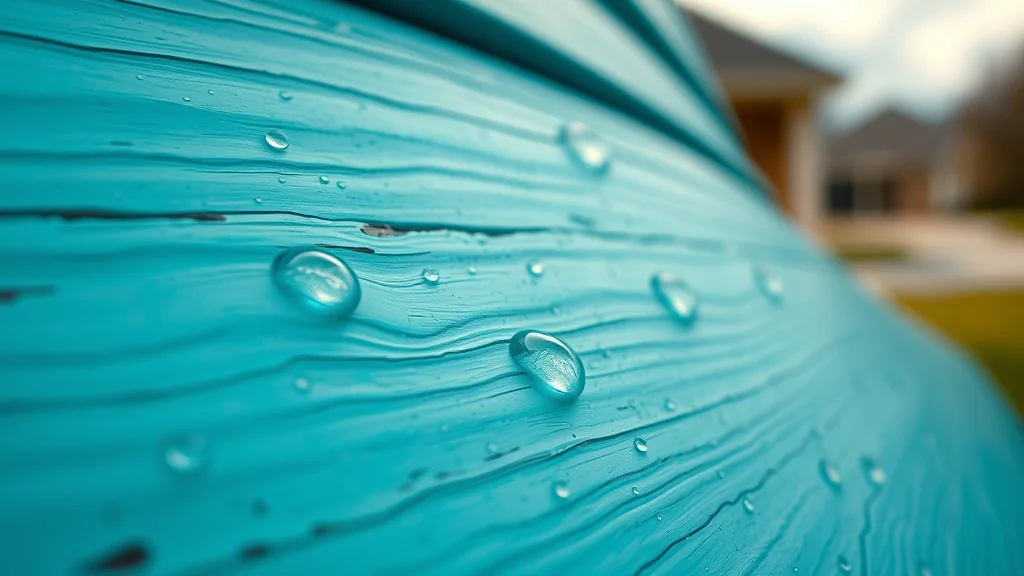
Exterior painting is far more complex than simply brushing color onto a wall. The entire process—from preparation to application and curing—is governed by the ambient weather conditions. High humidity, extreme heat, cold weather, and precipitation all dramatically influence how paint behaves. For instance, high humidity means more moisture in the air, which inhibits the drying process and can trap water under the paint, causing it to bubble or peel. Conversely, extreme temperatures—either hot or cold—impact a paint’s ability to adhere and cure properly. Rain and wind are the arch-enemies of new painting projects, capable of washing away hours of work in moments or blowing debris onto wet surfaces. That’s why understanding how weather affects exterior paint jobs gives you an edge, helping your projects last longer and look better, while minimizing the risk of costly repairs or premature repainting.
How weather affects exterior painting vs. interior work
Comparing exterior painting to interior paint jobs highlights how much more unpredictable the process becomes outside. Indoors, variables such as temperature and humidity are easy to control, reducing the risk of paint failure and ensuring consistent results. Exterior painting, however, is at the mercy of nature—sun, wind, rain, and seasonal changes all impact drying times, adhesion, and overall project success. While interior projects can proceed year-round, an exterior paint job must be timed to perfection, sometimes delaying important facelift projects until a window of favorable weather appears. This distinction is critical for commercial properties, apartment managers, and facility supervisors who must factor weather into project timelines, budgets, and planning cycles. Knowing this difference is key to avoiding the most common, expensive mistakes.
| Weather Condition | Paint Job Impact | Recommended Action |
|---|---|---|
| High Humidity | Slows drying process, blistering risk | Paint during low humidity periods |
| Extreme Heat | Speeds up drying, causes cracks | Paint in early morning/evening |
| Cold Weather | Extends drying time, poor adhesion | Follow minimum temperature guidelines |
| Rain | Washes away fresh paint | Check extended forecasts |
Key Factors: How Weather Affects Exterior Paint Jobs at Each Stage
Before: Surface Prep and Weather Affect
Proper surface preparation is the foundation of any successful exterior painting project. However, if neglected or rushed due to pending rain or unexpected heat, the entire paint job can be compromised. Weather affects such as overnight dew or lingering moisture from recent storms often go unnoticed during prep but can result in poor paint adhesion and later peeling. Smart project managers closely monitor humidity and temperature forecasts days before starting. Surfaces should be dry and free from debris, mildew, and chalky residue—an issue more pronounced after long wet or humid periods. Planning your prep work with weather in mind significantly boosts the performance of your exterior paint, saving you from rework headaches and added labor costs down the road.
During: Application and paint dry times in changing weather conditions
The moment paint meets the exterior surface, weather conditions take center stage. Sudden shifts in temperature or humidity level can foil even a seasoned painting pro. For example, high afternoon heat may cause paint to dry too quickly on the surface, trapping moisture underneath or creating hairline cracks. Conversely, high humidity levels slow the drying process, increasing the odds of blistering or painter’s remorse from an uneven finish. Rain can literally wash away hours of effort if it arrives too soon after application. The best approach is to schedule painting for mornings or late afternoons, constantly monitoring weather forecasts and adapting your pace as needed. Many professional painters use high-quality paints that resist weather swings, but even the best formulas need compatible weather to perform optimally.

After: Curing, maintenance, and the role of weather affects exterior durability
Post-application, the weather affects don’t end. The days and weeks after painting are crucial for the curing process. High humidity or sudden rainfall can prevent paint from curing, leading to soft, tacky finishes or delayed full hardness. Even once dry to the touch, many exterior paints require several days to fully cure, with ongoing exposure to sun, rain, or erratic temperatures posing risks to life expectancy and color integrity. Regular maintenance, such as periodic cleaning and inspections, is essential for catching weather-related issues—like bubbling or fading—before they escalate. Investing in weather-appropriate paints and staying vigilant during the curing phase ensures your new paint job stands strong against the elements year after year.
Types of Weather That Impact Exterior Painting Projects
Extreme temperatures and exterior paint—Too hot or too cold?
Few things endanger exterior paint jobs more than extreme temperatures. Paints are engineered to perform within specific ranges: most fail to adhere properly or cure if the weather falls outside 50-85°F (10-29°C). Extreme heat accelerates paint dry times, often resulting in cracking or an uneven finish, while cold weather can freeze or thicken the paint, making it nearly impossible to apply smoothly. For property managers, the risk may also extend to scheduling delays: projects started in the wrong weather may need full do-overs, adding hidden costs and pushing out occupancy or operational deadlines. Always check specific manufacturer guidelines and time your project for the optimal temperature window.
High humidity and humidity levels: Effects on paint job longevity
If you’ve ever tried painting on a muggy day, you know high humidity is a troublemaker. Moisture in the air not only slows the dry process but can also trap water beneath layers of paint, fostering peeling, bubbling, and mildew growth over time. This is doubly critical for buildings in coastal or marshy regions, which may experience consistently high humidity levels. Using paints formulated for moisture resistance and always painting during the driest part of the day are the best defenses. Ultimately, ignoring humidity is one of the fastest ways a new exterior painting project can start to look old before its time.
Rain, wind, and other weather conditions to watch
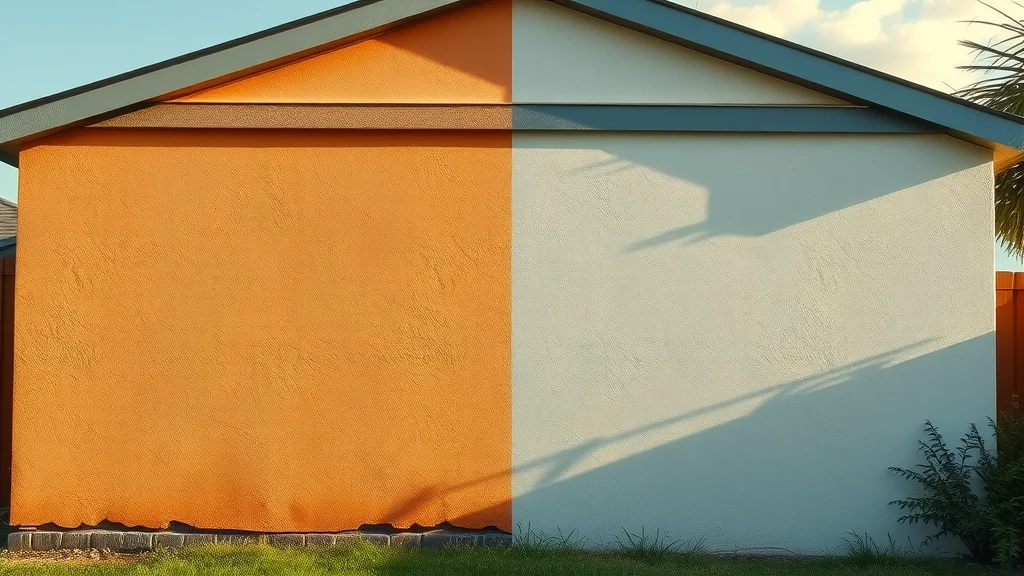
Success for painting projects doesn’t just hinge on temperature and humidity. Rain—even a light drizzle—can wreak havoc by washing away paint, creating ugly streaks, or delaying crucial work. Windy days bring another risk: airborne dirt, seeds, and debris can embed themselves in a wet surface, leading to a rough, unattractive finish. Even dew or fog, particularly in early morning or overnight hours, prolongs drying times and complicates project schedules. Careful monitoring of weather forecasts and choosing the driest, calmest days for painting are essential preventive steps. In some cases, simply allowing for extra time in the schedule—or providing temporary protection like tarps—makes all the difference for a durable, professional result.
How to Plan Your Exterior Painting Project Around Weather Affects
Reading forecasts: When is the best weather for a paint job?
Smart planning is your best defense against wasted effort or budget overages. Begin by checking multi-day weather forecasts: identify stretches of mild, dry, and moderately cool weather for best results. Ideally, avoid painting if rain is predicted for at least 24-48 hours and if nighttime lows are expected to drop below manufacturer minimums for your exterior paint. Remember, paint job performance often depends on a full week of stable, moderate weather, so build this margin into your timeline.

Choosing the right exterior paint and paint type for changing weather
Not all paints are created equal. For unpredictable climates or properties in high-risk zones, select paints labeled as “all-weather” or “weather-resistant.” Many top brands now offer formulas with advanced UV protection, moisture memory, and flexible polymers that move with the substrate as weather changes. Semi-gloss and satin finishes generally withstand the elements better than flat paints, especially in commercial settings. Consult with suppliers or a seasoned painting pro to match product characteristics to your local climate and usage patterns—this investment pays off in improved durability and fewer callbacks down the road.
Pro Tips from Seasoned Painting Pros: Avoiding Weather-Related Mistakes
-
Always check temperature and humidity levels before starting
-
Allow for extra drying process time if weather is less than ideal
-
Choose exterior paint with proven weather resistance
-
Consider shading or shelter if direct sunlight or rain is expected

Costly Mistakes to Avoid When Weather Affects Exterior Paint Jobs
Scheduling painting projects too soon after rain or during extreme heat
The temptation to speed up a painting project can lead to hasty decisions—none riskier than painting right after rainfall or during a heatwave. Surfaces that appear dry may actually hold enough hidden moisture to sabotage exterior paint. Meanwhile, extreme heat makes paint dry too quickly, hurting adhesion and leaving behind imperfections. Always follow a simple rule: if the surface isn’t bone dry, wait. Use moisture meters or professional inspectors for large-scale or high-stakes properties. When heat is forecast, schedule work for sunrise or late afternoon to minimize rapid evaporation and help the paint cure naturally.
Ignoring humidity levels and paint dries recommendations
Another frequent misstep is underestimating the impact of humidity levels on your new exterior painting project. Even if the sky is clear, heavy moisture in the air can stretch the time it takes each layer of paint to dry and increase the risk of cracking or bubbling. Review product labels for minimum humidity requirements, and don’t rely solely on visible cues—weather apps and on-site readings are your best friends. Even a high-performance formula can fail if the paint dries in suboptimal conditions.
“Paint failures can erase thousands in property value overnight if weather affects aren’t respected.” — Facility Manager Insights
People Also Ask: How Weather Affects Exterior Paint Jobs
Can exterior paint be applied in cold weather?
Most modern exterior paints can tolerate mild cold, but effectiveness drops below 50°F (10°C), risking adhesion and paint durability.
How does humidity level impact exterior paint jobs?
High humidity slows the paint dry process and can lead to blisters or peeling on the exterior paint.
Does extreme heat ruin a paint job?
Yes, extreme heat can cause exterior paint to dry too rapidly, resulting in cracks and an uneven finish.
FAQs: How Weather Affects Exterior Paint Jobs
-
What is the ideal temperature for an exterior painting project?
The ideal range for most exterior paints is between 50-85°F (10-29°C), with minimal humidity and no rain expected for at least 48 hours. This allows paint to dry and cure at the proper pace, reducing risk of cracking or blistering. -
Should I avoid painting my exterior during rainy seasons?
Yes, the high risk of sudden showers and consistently high humidity during rainy seasons increases your chances of paint failure. Schedule work for dry periods whenever possible to protect your investment. -
Can direct sunlight affect the drying process of exterior paint?
Absolutely. Direct sunlight can cause paint to dry too quickly, creating an uneven finish or surface cracks. Plan to paint in shaded areas or at less intense times of the day for best results.
Case study video demonstrating a time-lapse of an exterior painting project experiencing various weather impacts (sun, rain, wind), with before-and-after close-ups of paint issues and expert explanations overlayed.
Key Takeaways: Ensuring Success in Your Exterior Paint Job
-
Always adjust your painting project for local weather conditions
-
Understanding how weather affects exterior paint jobs prevents costly repairs
-
Consult painting pros for advice specific to your region
Conclusion and Next Steps
Successful exterior painting depends on smart weather planning and professional-grade products—don’t leave your investment to chance.