
Are you sure your floor can handle years of heavy use, stubborn stains, and daily wear—or could you be locking in costly future repairs by picking the wrong coating?
Why the Epoxy Flooring Versus Polyurethane Flooring Debate Matters for Your Facility
In today’s demanding commercial and industrial environments, choosing the right floor coating isn’t just a finishing touch—it’s a cornerstone of operational excellence and long-term savings. The epoxy flooring versus polyurethane flooring debate has become essential because each floor system offers unique strengths tailored for different facility needs. Whether you manage a bustling warehouse, oversee pristine hospital corridors, or protect a busy automotive garage floor, the type of floor coatings you choose impacts everything from durability and cleanliness to safety. Understanding how epoxy and polyurethane stack up against each other determines whether your floors will withstand constant foot traffic, forklifts, and harsh chemicals or succumb to premature aging, cracks, and UV damage.
Immediate, practical insights are critical—with the right information, business owners, property managers, and facility managers can make informed decisions to protect their investment. As we explore epoxy floor and polyurethane floor coatings, you’ll see why this comparison goes beyond aesthetics. It’s about ensuring your floors remain easy to clean, highly resistant to chemicals, and resilient to the everyday realities of your space. Let’s unravel the performance, maintenance, and longevity differences between these leading floor coatings and help you find the ultimate solution for your facility.

Are You Choosing the Right Floor Coating for Long-Term Performance?
Making the right flooring choice now will pay dividends for years ahead. A quality floor coating not only extends the lifespan of your concrete floor but also minimizes repairs, reduces maintenance downtime, and creates a safer environment for staff and visitors. But how do you know if epoxy coating gives you the longevity your garage floor needs, or if a urethane floor is a better fit for medical or school use? The answer lies in understanding core distinctions—like chemical and UV resistance, physical flexibility, and stain guard ability—each of which plays a role in determining if your epoxy flooring or polyurethane flooring will live up to its promise. Read on to discover what makes each option the best choice for different environments and why this decision matters so much.
What You’ll Learn: Comparing Epoxy Flooring Versus Polyurethane Flooring
-
The unique properties of epoxy and polyurethane floor coatings
-
Key differences impacting durability, maintenance, and appearance
-
How to make an informed decision for garage floors, industrial spaces, and more
Understanding the Basics: Epoxy Flooring Versus Polyurethane Flooring Explained
Before deciding which system best matches your facility’s needs, it’s critical to grasp the fundamental distinctions between epoxy flooring and polyurethane flooring. These floor coatings serve as robust protective layers defending against high foot traffic, abrasive equipment, spilled chemicals, and sometimes constant sunlight. An epoxy floor coating is typically a two- or three-component system that hardens into a thick, seamless, and glassy finish. This coating bonds tightly to concrete floor surfaces, making it a good choice for areas that endure extreme weight and exposure to tough substances like oil and grease, making it ideal for heavy-duty garage floor coating and industrial flooring applications. Its thick build coat and exceptional adhesion mean it can withstand scraping, heavy objects, and years of friction.
In contrast, a polyurethane floor coating (often referred to as a urethane floor system) brings remarkable flexibility and chemical resistance to the table. Polyurethane coatings cure to a slightly thinner layer than epoxies but offer a softer, more elastic surface that tolerates impacts, thermal movement, and even repeated cleaning cycles. They are especially popular in facilities where uv resistance, light traffic, and routine cleaning—like schools, hospitals, and commercial kitchens—are priorities. Epoxy and polyurethane coatings both serve as effective concrete floor coatings, but their different chemistries mean they perform best in particular environments.
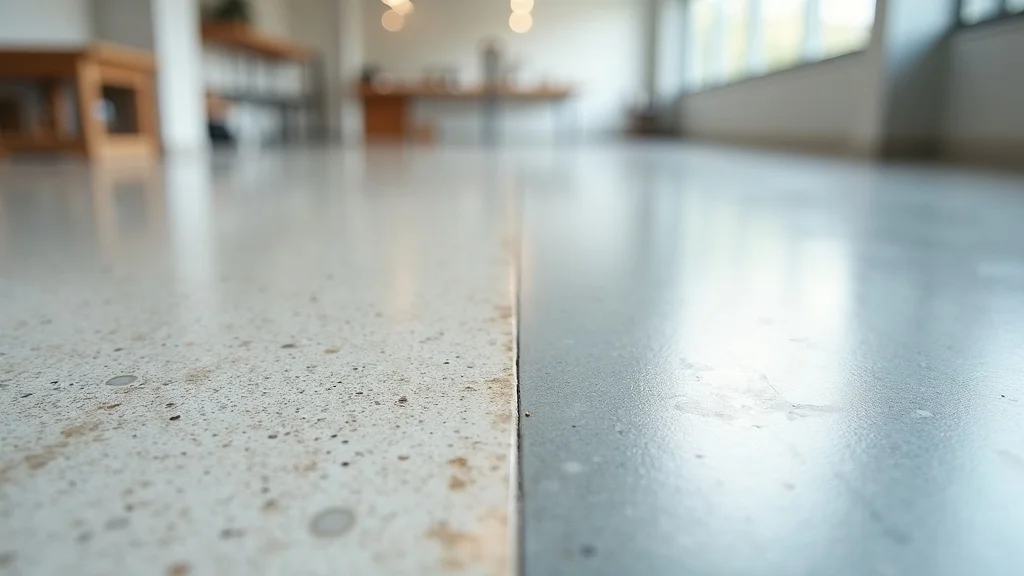
What Is Epoxy Flooring and Epoxy Floor Coating?
Epoxy flooring is renowned for its high-build protective qualities. This floor coating consists of a resin and hardener that, when combined, form a rigid plastic material. Applied over a prepared concrete floor, epoxy coatings become an incredibly durable, thick surface layer. These coatings offer seamless protection and strong adhesion, making them ideal for garage floors, industrial warehouses, and spaces where the floor system faces continuous punishment from loads, wheels, and chemical spills. Epoxy floors are highly scratch-resistant and, when properly installed, create a gleaming, easy to clean surface that stands up to tough use. The high-gloss finish is not only visually appealing but also increases light reflection, enhancing safety and visibility within the facility. However, epoxies are rigid by nature and may be less flexible in environments prone to thermal shock or frequent vibration.
Due to their seamless design and thickness, epoxy floors work exceptionally well as garage floor coatings or in manufacturing spaces that demand a concrete floor coating capable of resisting chips, stains, and scratches. While they can be a good choice for a variety of spaces, epoxies are not as forgiving when repeatedly exposed to UV rays or outdoor conditions, which in some scenarios can lead to fading or yellowing. That said, their robust build coat ensures years of heavy-duty service when installed in appropriate, controlled settings.
What Is Polyurethane Flooring and Polyurethane Coating?
Polyurethane floor coatings (also called urethane floors) are a progressive solution for environments where chemical resistance, flexibility, and rapid return to service are priorities. Applied in thinner layers than epoxies, polyurethane coatings form a tough, flexible finish that resists impact, abrasion, and movement. This makes them especially suitable for floors exposed to mechanical shock, frequent cleaning, and even temperature fluctuations. Unlike epoxies, polyurethane coatings are designed to withstand both chemical spills and UV rays—making them a favored floor coating for areas with lots of light exposure such as atriums, showrooms, and certain outdoor environments.
Another advantage is that polyurethane floors maintain a stable finish under sunlight, reducing the risk of uv damage or discoloration. They also offer a slightly softer surface that absorbs impacts and vibrations, benefiting hospitals, schools, and retail spaces. Many facilities choose a polyurethane top layer over epoxy for added protection. While some may find the finish less glossy than a pure epoxy, polyurethane’s blend of elasticity and chemical resistance makes it a good choice for areas where safety, cleanliness, and durability all matter.
Core Differences: Epoxy Flooring Versus Polyurethane Flooring Characteristics
Comparing epoxy vs polyurethane floor coatings means looking at how each performs under different demands. Epoxy floor coatings provide unmatched thickness, building a robust shield atop your concrete floor that wards off heavy mechanical wear, vehicle traffic, and aggressive cleaning products. The high-build nature of epoxy floor systems means greater impact resistance but can be more susceptible to UV rays if left exposed to sunlight without a topcoat. By contrast, polyurethane flooring emphasizes flexibility and uv resistance. This makes urethane floor finishes less likely to crack under stress or discolor in daylight-heavy environments. Polyurethane floors also offer better resistance to certain acids, alkalis, and other common industrial chemicals compared to many epoxies.
Epoxy and polyurethane both protect your floors, but the final choice depends on your facilities’ primary hazards. For instance, an automotive garage floor will benefit from the tough nature of epoxy coatings, while a school or hospital that values easy cleaning and subtle shine might lean toward a polyurethane floor coating. Understanding these core differences helps facility managers, business owners, and property maintenance professionals choose the ideal floor system for longevity, safety, and performance.
| Comparison Table: Epoxy vs Polyurethane Floor Coating Properties | ||
| Property | Epoxy Flooring | Polyurethane Flooring |
|---|---|---|
| Durability | High mechanical strength & thick build coat | Excellent impact absorption & flexibility |
| UV Resistance | Moderate, can yellow if exposed | Outstanding, resists yellowing & fading |
| Chemical Resistance | Excellent against oils/greases, some acids/alkalis | Superior, especially with acids/alkalis/solvents |
| Finish | High gloss, shiny & smooth | Satin to matte, smooth but less reflective |
| Best Use Cases | Garage floors, factories, warehouses, heavy-duty applications | Hospitals, schools, food processing, areas with UV or thermal exposure |
| Maintenance | Easy to clean, resistant to stains & spills | Resists staining, simple upkeep, higher flexibility |
| Cure Time | Longer (1–3 days); more downtime | Faster (hours); quick return to service |
Chemical and Physical Properties: Epoxy Flooring Versus Polyurethane Flooring
Durability and Longevity for Garage Floor and Industrial Applications
Durability is often the deciding factor for facility operators evaluating epoxy flooring versus polyurethane flooring. In industrial settings and on garage floors, an epoxy floor coating excels due to its hard, impact-resistant surface. This thick, bonded layer doesn’t just protect against dropped tools or forklift wheels—it also stands up to repeated foot traffic, oil spills, and even tire marks without showing wear. Epoxy flooring provides years of steadfast service in these demanding conditions. Thanks to its firm structure, an epoxy coating is an excellent good choice for areas requiring substantial load-bearing capabilities and floors that must stay easy to clean.
Polyurethane coatings, however, outshine in environments where physical movement, temperature swings, or shock absorption matter. The flexible nature of a polyurethane floor absorbs impacts and allows for a slight “give,” reducing the likelihood of cracks. This makes polyurethane coatings a good choice for environments where floors are frequently subjected to sudden motion or vibration. While both floor coatings are designed to be highly resistant to damage, polyurethane’s elasticity can lead to slightly better longevity in facilities experiencing frequent physical shifts or rapid temperature changes, extending the service life of the concrete floor coating.
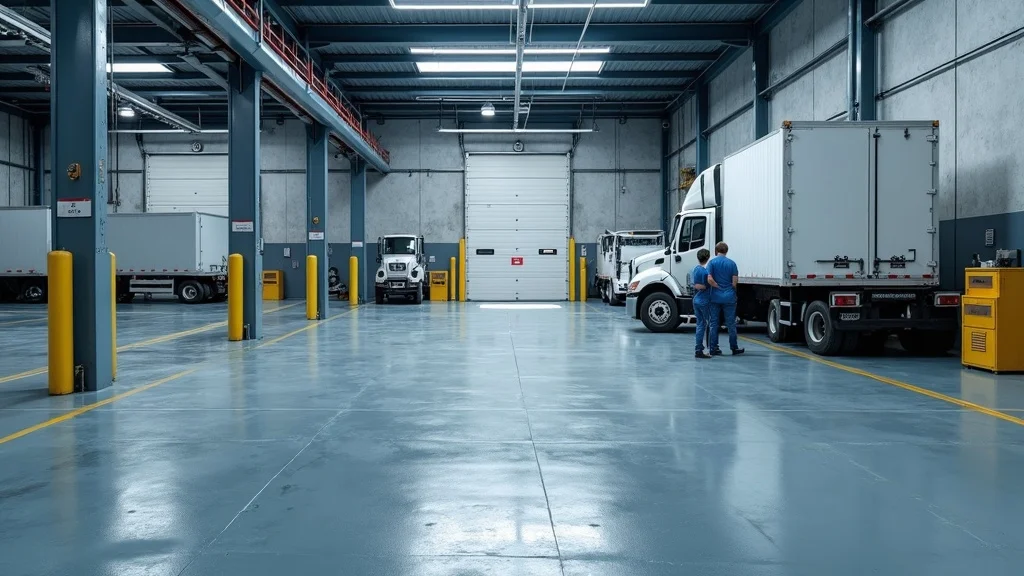
UV Resistance, Scratch Resistance, and Stain Protection
Exposure to UV rays is a leading culprit in coating deterioration, causing uv damage such as yellowing or faded finishes. While epoxy floors provide outstanding resistance to scratching and abrasions thanks to their thick structure, they tend to yellow or chalk if left exposed to direct sunlight. This limitation means epoxy is not always suitable for outdoor settings or near large windows unless shielded by a polyurethane top layer. In contrast, polyurethane coatings deliver excellent uv resistance, making them ideal for hospitals, classrooms, or entryways where sunlight is prevalent. They resist yellowing and maintain an even, attractive appearance over time—even in high ambient light conditions.
When it comes to scratch and stain protection, both systems perform well, but with subtle differences. Epoxy’s thicker layer makes it better at withstanding abrasion and heavy wheels common on garage floors. Polyurethane, due to its flexibility, holds up well to scratching from moving furniture or daily foot traffic, and is less prone to scuff marks. Both floor coatings are highly resistant to chemical spills, grease, and staining agents, but polyurethane usually excels in resisting certain harsh chemicals that might challenge epoxies, making it suitable for spaces like commercial kitchens or laboratories.
Maintenance Requirements for Floor Coatings
Maintenance is top of mind for facility managers aiming for operational efficiency. Epoxy coatings are notably easy to clean, with their seamless finish preventing dirt and moisture from seeping into the floor. Regular sweeping and the occasional mop usually suffice to keep epoxy floors spotless, while strong chemical spills can be wiped up without leaving marks. This makes epoxy a good choice in dirty or oily environments requiring constant cleaning, like garages or manufacturing plants. Polyurethane floors, though somewhat softer, are similarly low-maintenance. Their slightly elastic surface repels liquids and dust, making routine cleaning simple. One advantage is their enhanced resistance to staining and discoloration, even after repeated exposure to cleaning agents.
However, both epoxy and polyurethane floor coatings require the concrete floor underneath to be sound and free from moisture issues. Proper installation dramatically extends lifespan and reduces the need for repairs. Ultimately, the slight differences in care stem from each system’s chemical makeup, but both offer substantial maintenance benefits over unfinished concrete or soft tile floors.
Application Process: Installing Epoxy Flooring Versus Polyurethane Flooring
Proper installation is crucial for achieving the advertised performance of your floor coating. Let’s explore the step-by-step process for both systems so you know what to expect when preparing your concrete floor for long-term service.
-
Step-by-Step Guide: Epoxy Floor Installation
-
Thoroughly clean and etch the concrete surface to promote adhesion.
-
Repair cracks, holes, and uneven spots for a smooth, damage-free base.
-
Apply a primer to seal the substrate and ensure a strong bond.
-
Mix the two-part epoxy resin and hardener, then apply the first coat with a roller or squeegee.
-
Allow proper cure time, then add extra coats for thickness and strength if needed.
-
Finish with an optional topcoat to enhance chemical and UV resistance.
-
-
Step-by-Step Guide: Polyurethane Floor Application
-
Prepare the concrete floor as with epoxies—cleaning and repairing defects.
-
After priming, apply the polyurethane coating in thinner, even layers.
-
Allow each coat to cure according to product instructions (cure time is generally shorter than epoxies).
-
Repeat for multiple coats, if desired, to enhance protection and finish.
-
Inspect the floor to ensure complete, uniform coverage and optimal performance.
-
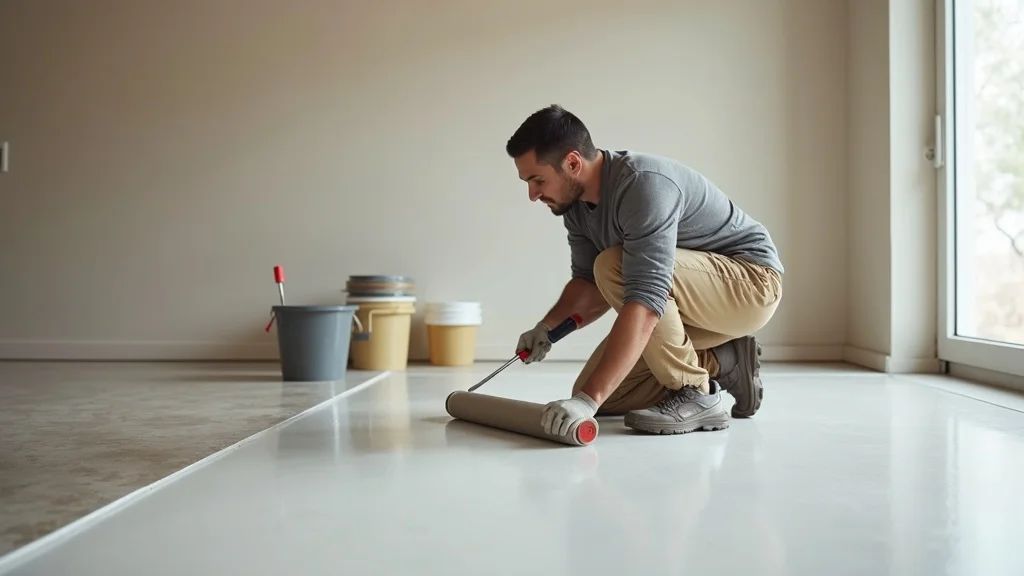
Critical Factors for a Lasting Concrete Floor Coating
The performance and longevity of your epoxy floor or urethane floor system come down to quality surface preparation, climate conditions during installation, and attention to manufacturer guidelines. Ensuring the substrate is dry and defect-free, following precise mix ratios, and maintaining environmental controls (temperature, humidity) are all critical. Rushing the curing process or skipping preparation steps can lead to poor adhesion, bubbles, or peeling—jeopardizing even the best epoxy or polyurethane coatings. Engaging with professional installers and choosing proven materials ensures your investment pays off with years of maintenance-free service and reliable performance.
When to Choose Epoxy Flooring Versus Polyurethane Flooring for Your Needs
-
Best scenarios for epoxy coating: Commercial and heavy-duty industrial uses, garage floors, warehouses, production areas, and places requiring extra-thick, abrasion-resistant coatings.

-
Ideal use-cases for polyurethane coatings: Hospitals, schools, pharmaceutical labs, food facilities, retail outlets, and spaces exposed to sunlight or temperature shifts needing flexible, highly chemical/UV-resistant urethane floors.
Expert Insights: Epoxy and Polyurethane Floor Coating Performance
“Choosing between epoxy vs polyurethane flooring often comes down to balancing durability, flexibility, and UV resistance needs.” — Industry Specialist
This insight underscores that your facility’s specific conditions—such as chemical exposure, sunlight, temperature swings, traffic load, and cleaning requirements—should drive your ultimate choice between epoxy and polyurethane floor coatings.
Epoxy Flooring Versus Polyurethane Flooring: Pros and Cons List
-
Epoxy Floor Pros: Extremely durable, high mechanical/chemical resistance, thick glossy finish, easy to clean surfaces, excellent for garage floors and industrial spaces.
-
Epoxy Floor Cons: Susceptible to UV damage/yellowing, less flexible (can crack with subfloor movement), longer cure times, may require polyurethane topcoat for sunlit exposures.
-
Polyurethane Floor Pros: Outstanding flexibility and impact resistance, strong UV and chemical resistance, rapid curing for faster return to service, maintains color/finish in sunlight, good choice for areas needing flexibility.
-
Polyurethane Floor Cons: Slightly thinner finish, generally less glossy than epoxies, must be applied over well-prepared substrates, may not tolerate highly abrasive conditions as well as thick epoxies.
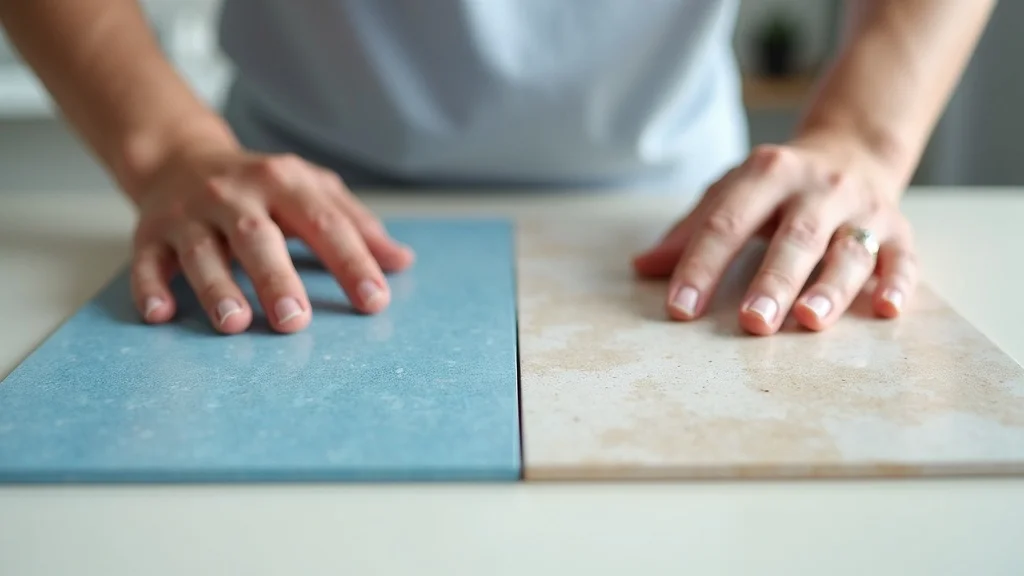
People Also Ask: Addressing Common Questions about Epoxy and Polyurethane Coatings
What Is Better: Epoxy or Polyurethane for Garage Floors?
Answer: Epoxy coatings offer strong adhesion and thickness for garage floors, while polyurethane provides superior scratch and UV resistance.
Can You Apply Polyurethane over Epoxy Flooring?
Answer: Yes, applying a polyurethane coating over epoxy can enhance UV protection and finish, but surface prep is essential.
Which Floor Coating Offers the Best Chemical Resistance?
Answer: Both coatings provide chemical resistance, but polyurethane coatings typically excel in harsh environments.
Epoxy Flooring Versus Polyurethane Flooring: Frequently Asked Questions
-
Is epoxy floor suitable for outdoor use?
Epoxy coatings can be used outdoors but may yellow or degrade under direct sunlight unless protected by a UV-resistant top layer such as polyurethane. -
How long does each floor coating typically last?
Properly installed epoxy and polyurethane floors both offer multi-year service, with epoxies lasting 5–10 years in industrial settings and polyurethanes maintaining finish and flexibility even longer with correct maintenance. -
Are epoxy coatings safe for food industry facilities?
Yes, both epoxy and polyurethane coatings are NSF/ANSI-certified for use in food facilities if a system designed for hygienic, non-porous, and chemical-resistant performance is selected. -
What are the maintenance differences between epoxy and polyurethane floors?
Both floors are easy to clean, but polyurethane may better resist stains and cleaning chemicals, while epoxy offers exceptional resistance to oils, greases, and scrapes common in automotive or manufacturing environments.
Key Takeaways for Choosing Between Epoxy Flooring Versus Polyurethane Flooring
-
Match floor coating type to the facility’s specific needs (chemical exposure, traffic, UV exposure)
-
Epoxy and polyurethane flooring each have distinct advantages for business owners, property managers, and facility managers
Ready to Select Your Floor Coating? Get Started with a Free Quote -https://colepainting.com/contact/or call(508) 799-9019.
Conclusion: Both epoxy flooring and polyurethane flooring can elevate your facility’s performance—choose wisely to gain the perfect balance of durability, appearance, and longevity.