Did you know that polyurethane floor coating can double the life of your floors compared to traditional coatings? For property and facility managers tasked with protecting high-traffic surfaces, this innovation isn’t just another upgrade—it’s a way to slash long-term maintenance costs while delivering unmatched performance in even the most demanding environments. Read on to uncover why this technology is revolutionizing floors across all commercial and industrial sectors, and how you can leverage its advantages for your facility today.
Why Polyurethane Floor Coating is Revolutionizing Flooring Solutions
-
Startling Fact: Polyurethane floor coating can extend floor lifespan by up to twice that of traditional coatings. This innovation is transforming maintenance costs for industrial, commercial, and institutional properties.
Polyurethane floor coating is rapidly transforming how businesses protect their facilities. Its ability to outlast conventional options not only delivers greater value but also means less downtime for repairs and fewer disruptions to day-to-day operations. This makes it an essential investment for high-traffic and demanding environments, including manufacturing plants, warehouses, retail locations, hospitals, and more. Facility managers and business owners seeking a protective layer that handles both wear and tear and heavy traffic will find this flooring system especially appealing. Understanding the benefits of polyurethane floor coating can help you make more informed maintenance decisions for your property, potentially saving significant time and resources.
What You’ll Learn in This Guide to the Benefits of Polyurethane Floor Coating
-
Core features and advantages of polyurethane floor coating
-
How polyurethane coatings compare to alternatives
-
Step-by-step guide to application and care
-
Industry-specific insights for business, facility, and property managers
This comprehensive guide breaks down everything you need to know about choosing, applying, and managing a polyurethane floor coating. We’ll explore real-world examples and expert tips, dispel common myths, and provide actionable advice to keep your floors in peak condition. By the end, you’ll know how to capitalize on this technology for a healthier, easier-to-maintain, and more attractive working environment.
Understanding Polyurethane Floor Coating: What is it and How Does it Work?
-
Definition of polyurethane floor coating
-
Core components and chemistry
-
Types of polyurethane coatings: single-component vs. two-component
-
Common applications: industrial floors, commercial properties, retail environments
Polyurethane floor coating is a high-performance protective layer designed to shield surfaces from foot traffic, chemicals, and mechanical stress. At its core, the chemistry combines polyols and isocyanates to form a resilient, flexible film that bonds tightly to surfaces like concrete floors. Available in both single-component and two-component formulas, polyurethane coatings accommodate a wide range of installation needs. Single-component products favor quick installation and minor touch-ups, while two-component systems provide enhanced strength and durability in environments exposed to heavy traffic or heavy machinery.
Applications span from industrial floors in factories to commercial kitchens, warehouses, schools, and retail stores. Polyurethane floor coatings offer a blend of impact resistance, abrasion resistance, chemical resistance, and flexibility that make them ideal for demanding situations. Unlike traditional floor coatings, polyurethane adapts well to harsh conditions like thermal shock—a must for industries like food processing and manufacturing.
“Polyurethane floor coating represents the gold standard for durability and performance in demanding environments.” — Facility Management Expert
Key Benefits of Polyurethane Floor Coating for Industrial and Commercial Use
Exceptional Durability and Impact Resistance
-
Urethane floor coating’s ability to withstand high traffic
-
Impact resistance in industrial floor applications
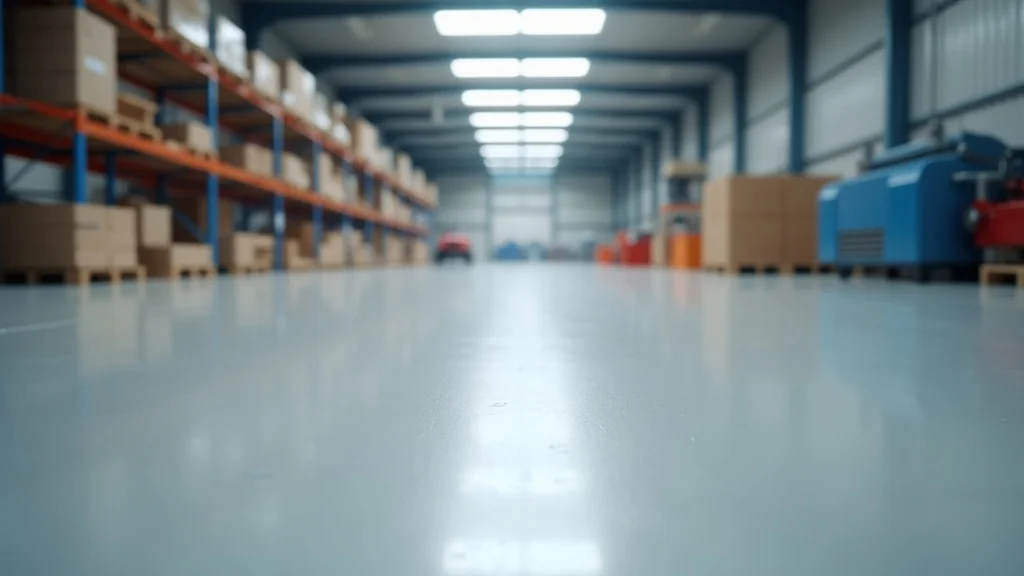
One of the most compelling benefits of polyurethane floor coating is its superior durability. In facilities where heavy traffic, foot traffic, and heavy machinery prevail, the urethane floor system acts as a robust shield against abrasion, impact, and ongoing wear and tear. Industrial and commercial spaces demand surfaces that can handle rolling carts, pallet jacks, forklifts, and the constant movement of people or materials. Polyurethane coatings provide the abrasion resistance and flexibility needed to prevent cracks or chips, even under repetitive stress or sudden impacts.
This exceptional impact resistance means less frequent repairs and recoating, maximized uptime, and reduced operational costs. In the context of demanding traffic areas and production zones, choosing a polyurethane floor coating is an investment in continuous productivity and peace of mind for property managers.
Superior Chemical Resistance and Easy Maintenance
-
How polyurethane floor coatings resist acids, oils, and solvents
-
Ease of cleaning and ongoing maintenance
Industrial and commercial settings often involve exposure to harsh substances like acids, oils, cleaning agents, and solvents. Polyurethane floor coatings excel with their high chemical resistance, serving as an impermeable barrier against spills that could otherwise stain, degrade, or damage ordinary concrete floors. Food processing facilities, automotive garages, laboratories, and healthcare institutions rely on this flooring system to ensure long-term cleanliness and hygiene.
Beyond resistance, a polyurethane floor is renowned for being easy to clean. The seamless, non-porous finish allows for swift removal of contaminants—just mop, sweep, or use standard commercial cleaners. This reduces overall labor, keeps surfaces looking flawless, and supports regulatory compliance in sensitive settings. The low-maintenance nature is a game changer for busy facilities where downtime is simply not an option.
Thermal Shock and Extreme Temperature Performance
-
Up to what temperature polyurethane floor coatings maintain performance
-
Thermal shock resistance for industrial kitchens and manufacturing
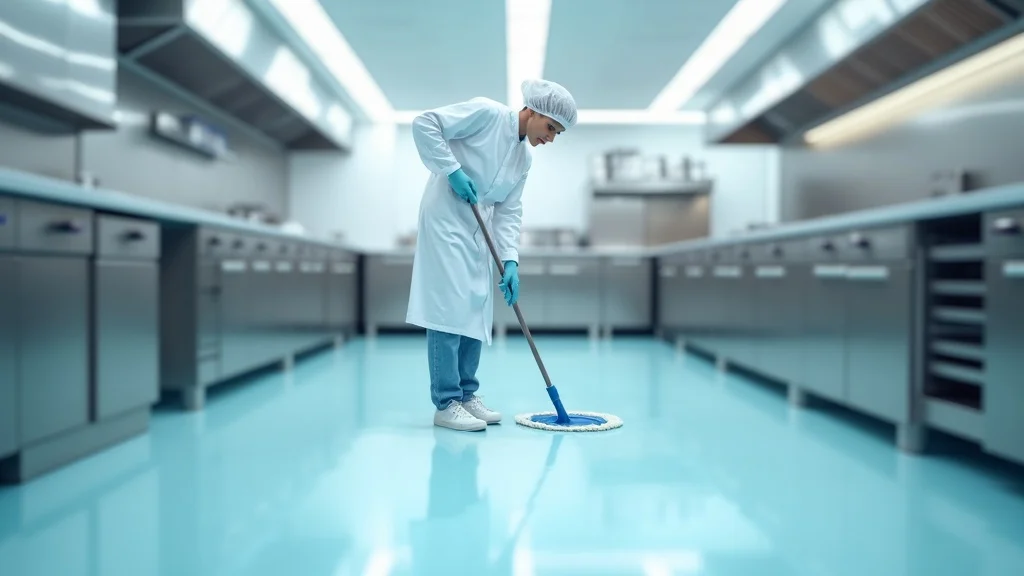
A major advantage of polyurethane coatings is their ability to withstand thermal shock and extreme temperature changes. In environments like commercial kitchens, bakeries, or manufacturing plants, floors face sudden transitions from hot ovens or machinery to cold wash-downs. Traditional floor coatings often crack or delaminate under such stress—but polyurethane is formulated for flexibility, so it absorbs these shifts without failing.
This unique capability extends the service life of the floor, minimizing disruptions due to repairs or premature replacement. Whether exposed to boiling water, baking heat, or industrial freezers, polyurethane floor coatings maintain integrity up to high temperatures and through abrupt changes. This makes them especially valuable for facilities where reliability and safety are non-negotiable.
“Our polyurethane flooring system dramatically reduced downtime due to repairs.” — Operations Manager, Manufacturing Facility
Comparing Polyurethane Floor Coating to Other Floor Coating Systems
| Comparison Table: Polyurethane Coating vs. Epoxy Coating vs. Acrylic | |||
| Feature | Polyurethane Floor Coating | Epoxy Coating | Acrylic Coating |
|---|---|---|---|
| Durability | High | Medium | Low |
| Chemical Resistance | Excellent | Good | Poor |
| Flexibility | High | Low | Medium |
| UV Stability | Excellent | Poor | Good |
-
Key differences between urethane flooring and epoxy systems
-
Benefits of polyurethane flooring for commercial uses
When considering a new flooring solution, it’s important to weigh polyurethane floor coating against common alternatives like epoxy and acrylic. Epoxy floors are known for initial hardness but can become brittle, and may yellow or chalk under UV exposure. Acrylic coatings, while economical, lack the durability and flexibility required for high-stress applications.
Polyurethane stands out for its blend of chemical resistance, UV stability, superior flexibility, and resistance to abrasion—making it ideal for both heavy-duty industrial use and commercial spaces with aesthetic or hygienic concerns. For those seeking long-term performance, easier maintenance, and safety in demanding environments, polyurethane is the clear leader among modern floor coating technologies.
The Polyurethane Floor Coating Application Process
-
Overview of installation: surface preparation, priming, coating, curing
-
Importance of professional installation for optimal results
-
Typical timeline for quick installation of polyurethane flooring
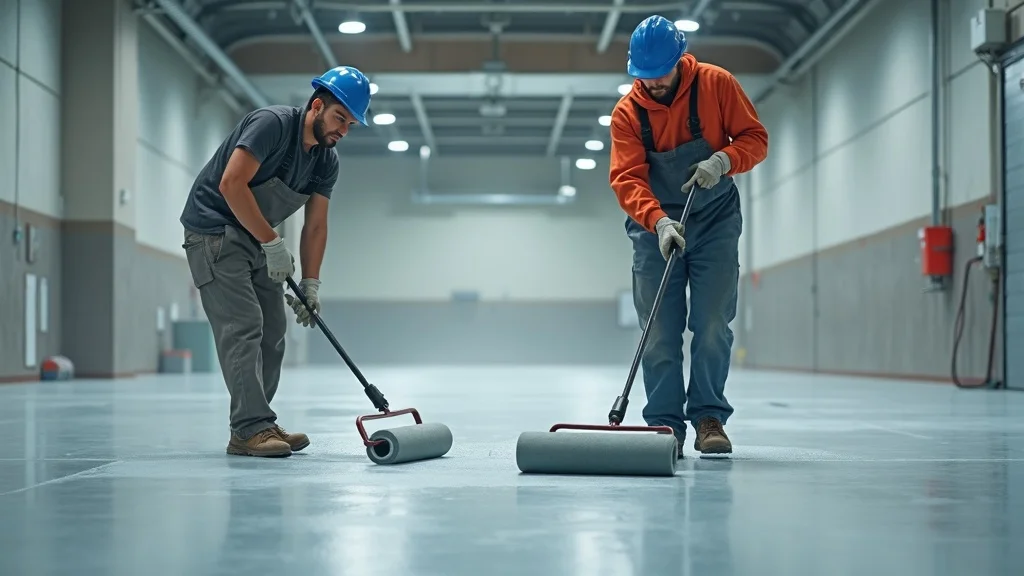
Achieving the full benefits of polyurethane floor coating requires meticulous application. The typical process starts with thorough surface preparation—removing existing coatings, smoothing concrete floors, and ensuring a clean, dry substrate. Next comes priming to aid adhesion, then applying one or more layers of polyurethane coating using rollers or spray for even coverage. Once applied, the coating needs time to cure and develop its tough, seamless finish.
Professional installation is highly recommended since expertise ensures that curing times, application thickness, and safety guidelines are followed—this maximizes both immediate aesthetics and long-term durability. One advantage of polyurethane systems is their relatively quick installation compared to some alternatives, minimizing downtime so that businesses can get back to work sooner. Properly installed, polyurethane floor coatings can last years with minimal maintenance, far outpacing most other surface protection solutions.
Polyurethane Floor Coating in Action: Real-World Industry Examples
-
Food processing plants: navigating thermal shock and hygiene
-
Warehouses: surviving heavy traffic and impact
-
Retail spaces: fast cures and aesthetic appeal
-
Healthcare: chemical resistance and safety
Polyurethane floor coating is trusted in industries where ordinary surfaces quickly fail. Food processing plants rely on it to resist thermal shock from hot ovens and cold washes while maintaining a seamless, hygienic surface that supports food safety protocols. Warehouses benefit from robust protection against heavy traffic—from staff and forklifts to carts loaded with inventory—ensuring longevity and reduced repair cycles.
In the retail sector, polyurethane flooring offers rapid cures and vibrant visuals, allowing stores to upgrade surfaces with minimal disruption while delivering an inviting atmosphere for customers. In healthcare environments, the chemical resistance helps withstand disinfectants, and the seamless finish supports infection control and slip resistance. These diverse applications prove that polyurethane floor coating can meet and adapt to the evolving needs of modern facilities.
“After switching to polyurethane flooring, our maintenance requests dropped by half.” — Commercial Property Manager
How to Choose the Right Polyurethane Floor Coating for Your Facility
-
Factors to consider: floor use, traffic levels, exposure to chemicals/abuse
-
Matching polyurethane floor coatings to specific environments
Selecting the optimal polyurethane floor coating starts with understanding your facility’s unique requirements. Assess the intensity and type of foot traffic, the likelihood of chemical spills, subjecting the surface to extreme temperature changes, and whether the space houses heavy machinery or equipment. For traffic areas prone to impact or abrasion, a high-build urethane coating may offer the best protection.
Different environments call for tailored features—and the versatility of polyurethane means you can prioritize characteristics like slip resistance for safety, or select from a spectrum of colors and finishes for branding or design needs. Consult with a coatings specialist to match products to your building’s function, traffic load, and compliance needs, ensuring long-lasting results and maximum return on your investment.
Understanding Polyurethane Coatings Performance Characteristics
-
UV Stability
-
Slip resistance
-
Color and finish options
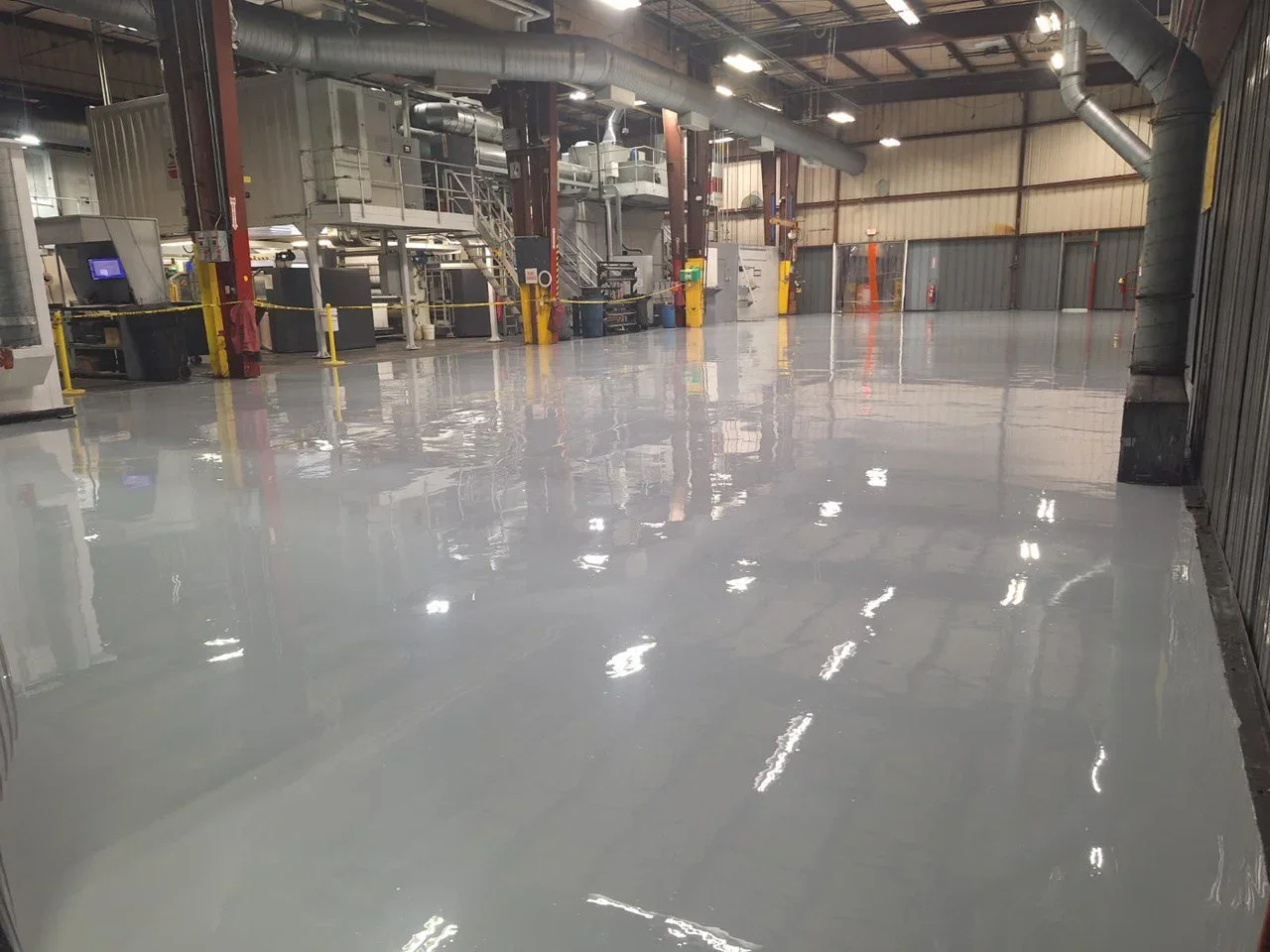
Polyurethane floor coatings are engineered with a range of performance characteristics in mind. Their exceptional UV stability prevents yellowing and chalking, making them ideal for areas exposed to sunlight or bright lighting. Slip resistance can be enhanced through special additives, an important feature for entryways, kitchens, healthcare settings, or any space where spills might occur. Finally, polyurethane coatings offer diverse aesthetic choices—from muted concrete tones to vibrant branded colors, in glossy, matte, or satin finishes. This ensures your floor performs well and aligns with your facility’s look and safety standards.
Expert Tips: Maximizing the Benefits of Polyurethane Floor Coating Over Its Lifetime
-
Best practices for cleaning and periodic inspection
-
Preventive maintenance strategies for urethane floor systems
-
When to consider recoating or refurbishment
To get the longest lifespan and most value from your polyurethane floor coating, commit to a schedule of routine cleaning and regular inspection. Sweep or mop high-traffic areas daily, especially in environments prone to dust, debris, or chemical spill. Periodically inspect for scratches, wear, or small areas that might need touch-up.
Preventive maintenance includes protecting against gouges from heavy machinery and placing mats at entrances. Schedule periodic deep cleans and, every few years, assess whether the floor would benefit from a professional recoating or refurbishment. Early intervention and proactive care sustain the system’s durability, reduce the risk of damage, and ensure ongoing safety and compliance for years to come.

-
Step-by-step walkthrough of a real-life polyurethane flooring system application
-
Key tips from industry professionals
People Also Ask: Answers to Top Questions About the Benefits of Polyurethane Floor Coating
What are the disadvantages of PU flooring?
-
Potential for higher upfront costs
-
Requires professional installation for best results
-
May not be suitable for all substrates
Although polyurethane floor coatings offer outstanding advantages, it’s important to consider potential drawbacks. The initial investment is often higher than some alternatives, due to the advanced chemistry and specialized installation required. Professional application is strongly recommended, as improper technique can compromise the coating’s performance and longevity. Lastly, certain substrates—such as those with significant moisture issues or improper preparation—may not be suitable for optimal adhesion, making prior assessment crucial for success.
What is 20 times stronger than epoxy?
-
Industry context of strength claims
-
Polyurethane vs. epoxy: understanding real-world performance and durability
Some marketing claims suggest that polyurethane coatings can be “20 times stronger” than epoxy, but the strength depends on context. While epoxy floors are initially very hard, polyurethane excels in flexibility and resistance to impact, abrasion, thermal shock, and chemicals. Rather than focusing on single strength metrics, evaluate each system’s real-world performance, maintenance needs, and suitability for your space. For most demanding environments, polyurethane offers superior long-term durability and resilience.
How long should I wait to walk on polyurethane floors?
-
Typical cure times (walk-on, light traffic, full cure)
-
Impact of environmental conditions
After installing a polyurethane floor coating, you can typically walk on the surface within 24 hours, with light foot traffic allowed soon after. However, full cure—when the floor reaches peak strength and chemical resistance—usually takes three to seven days, depending on temperature and humidity. Always follow the manufacturer’s guidelines and avoid placing heavy machinery or resuming intense activity until full cure is reached to prevent premature damage.
What is better, epoxy or polyurethane?
-
Pros and cons of both flooring systems
-
Use case scenarios for each
Epoxy floors are valued for their initial hardness, glossy finish, and cost-effectiveness. However, they are prone to yellowing with UV exposure and can be less flexible under impact or temperature swings. Polyurethane outshines in areas requiring flexibility, abrasion resistance, UV stability, and chemical resistance, making it ideal for high-traffic industrial and commercial environments. For spaces demanding long-term performance and aesthetics, polyurethane is often the superior choice.
FAQs About Polyurethane Floor Coating Benefits
-
Can polyurethane floor coatings be applied over old flooring?
Yes, with proper preparation and evaluation, polyurethane coatings can often be installed over existing floors. All surface contaminants must be removed, and cracks or defects repaired to ensure strong adhesion. -
How often should polyurethane floors be recoated?
Recoating frequency varies by usage, but high-traffic areas may need touch-ups every 3–5 years. Regular inspection helps determine the best timing based on wear. -
Are polyurethane coatings safe for food processing or healthcare environments?
Absolutely. Polyurethane floor coatings are commonly used in food and healthcare industries due to their chemical resistance, seamlessness, and compliance with sanitation standards. -
Do urethane coatings yellow over time? Why or why not?
Unlike many epoxies, most polyurethane coatings are formulated with UV stabilizers to resist yellowing, making them ideal for sunlit or brightly lit areas.
Lists: Common Applications for Polyurethane Floor Coating
-
Manufacturing and industrial floor uses
-
Retail stores
-
Hospitals and clinics
-
Restaurants and food service
-
Automotive service bays
-
Schools and educational buildings
Key Takeaways: Benefits of Polyurethane Floor Coating
-
Polyurethane floor coatings deliver lasting durability, chemical resistance, and fast installation
-
They outperform most alternatives in demanding commercial and industrial settings
-
Easy maintenance and long-term cost savings make them a smart investment for property managers and businesses
-
Facility managers discuss their experiences
-
Industry insights on trends and innovations
Conclusion: Embrace the Benefits of Polyurethane Floor Coating for Lasting Value
-
Recap of advantages and best practices
-
Why business owners and facility managers should consider polyurethane floor coatings today
Polyurethane floor coating offers a blend of durability, chemical and impact resistance, flexibility, and attractive finishes. For any business or facility manager focused on longevity and cost savings, embracing this technology is a clear path toward safer, sturdier, and more beautiful floors.