
Imagine this: you just upgraded your facility with the best anti-corrosion coating on the market. Yet, within months, you notice shiny spots, exposed metal, and rusted patches reappearing—especially in high-traffic areas, around grit chambers, or in confined spaces. The culprit? Abrasive forces that regular coatings simply can’t withstand. Today, understanding abrasion resistance in anti-corrosion coatings isn’t optional—it’s essential for safeguarding your investments against daily wear and relentless environmental stressors. In this comprehensive guide, you’ll discover how abrasion resistance extends the life of protective coating systems and prevents costly asset failure.
The Critical Importance ofAbrasion Resistance in Anti-Corrosion Coatings
“Effective anti-corrosion coatings with high abrasion resistance safeguard your facility’s infrastructure from both daily wear and environmental threats.”
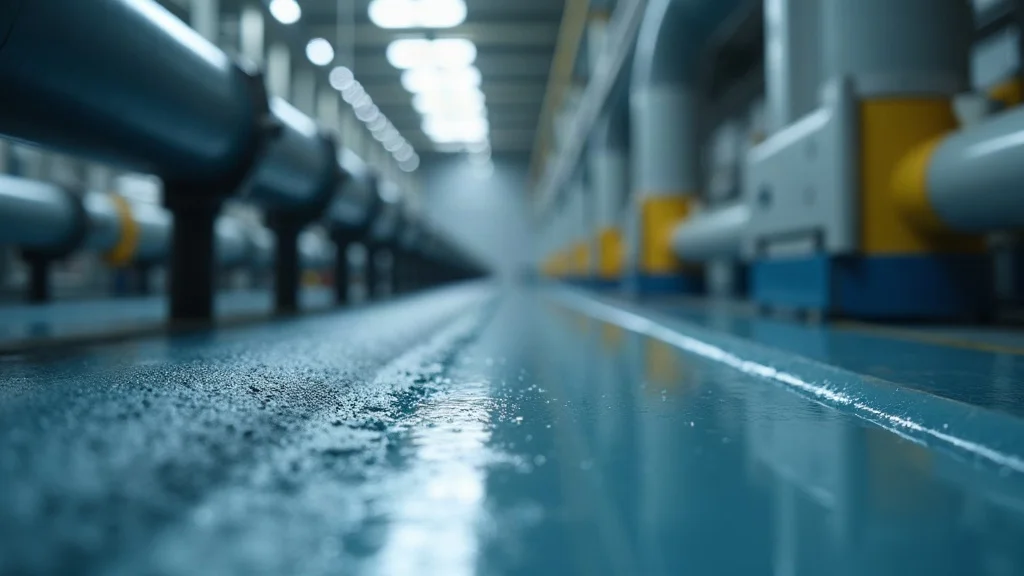
When you manage an industrial facility, one of your top concerns is the ongoing integrity of critical surfaces—whether those are in a grit chamber, on metal walkways, or enveloping vulnerable pipework in a confined space. Abrasion resistance in anti-corrosion coatings acts as a shield, maintaining surfaces against the relentless impact of machinery, tools, foot traffic, and abrasive materials like dust or grit. Without an abrasion-resistant barrier, even high-performance corrosion protection coatings degrade rapidly, exposing substrates to premature corrosion and dramatically shortening their service life. Choosing the proper protective coating is more than just about stopping rust. Facility managers must factor in both the mechanical threats and environmental exposures their assets face every day. Coatings that score high on abrasion resistance can extend the service life of expensive infrastructure, reduce downtime linked to maintenance, and ultimately protect the business from asset failure and unplanned repairs. Particularly in areas like wastewater treatment plants, grit chambers, and industrial processing lines, abrasion-resistant coatings aren’t just helpful—they’re mission-critical to long-term asset reliability.
What You’ll Learn About Abrasion Resistance in Anti-Corrosion Coatings
-
What abrasion resistance means for anti-corrosion coatings
-
How abrasion resistance affects long-term corrosion protection
-
Key factors in selecting protective coating systems
-
Processes and methods for surface preparation
-
The role of various coating types in industrial settings
Understanding Abrasion Resistance in Anti-Corrosion Coatings
What is Abrasion Resistance in the Context of Resistant Coatings?
Abrasion resistance is a property that measures a coating’s ability to withstand friction, scraping, and mechanical wear—especially important in places where abrasive materials are part of daily operations. In the context of resistant coatings, it defines how well a protective coating holds up under repeated physical contact, whether from cleaning tools, equipment movement, or material transfer found in places like grit chambers, industrial floors, and confined spaces. Designers and owners should recognize the difference between a standard paint protection solution and advanced abrasion resistant coatings. While basic coatings may offer initial corrosion resistance, only true protection coatings with optimized abrasion resistance can maintain their integrity and continue providing corrosion protection when subjected to physical damage. This distinction is essential for facilities where any breach in the coating system can quickly escalate to expensive repairs and safety risks—especially in critical infrastructure involving metal components and municipal wastewater assets.

How Abrasion Resistance Contributes to Corrosion Protection
The relationship between abrasion resistance and corrosion protection is more intertwined than most realize. A coating that can’t withstand abrasion loses thickness, allowing corrosive agents—like water, chemicals, or salts—to reach and damage metal components beneath. This is a frequent problem in high-traffic industrial settings, grit chambers, and even confined space work on infrastructure that endures constant contact with moving machinery or abrasive debris. Ultimately, abrasion resistant coatings serve as a long-lasting shield, reducing the frequency of coating failures and the costly downtime associated with repairs. When applied correctly after thorough surface preparation, these protection coatings help facilities extend the service life of assets by minimizing both mechanical and environmental degradation, and ensuring continuous corrosion protection even in the most demanding environments.
How Abrasion Resistance Enhances the Performance of Anti-Corrosion Coating Systems
The Relationship Between Abrasion Resistance, Protective Coating Longevity, and Coating System Selection
Selecting the right coating system is not just about meeting today’s corrosion standards—it’s about anticipating future operational stress. High abrasion resistance in anti-corrosion coatings directly impacts the longevity of a protective coating system, making them good choices for businesses aiming to avoid asset failure. For example, epoxy and polyurethane coatings are widely recognized among facility managers for performing exceptionally well in settings where frequent surface impact or abrasion occurs. In these environments, the superior wear layer created by these coatings reduces the need for frequent recoating and minimizes disruptions. This not only keeps facility operations running smoothly but also maintains compliance with safety and quality requirements, ensuring assets withstand both physical and chemical challenges over their extended service life.
Common Applications: Grit Chambers, Industrial Facilities, and Confined Space Areas
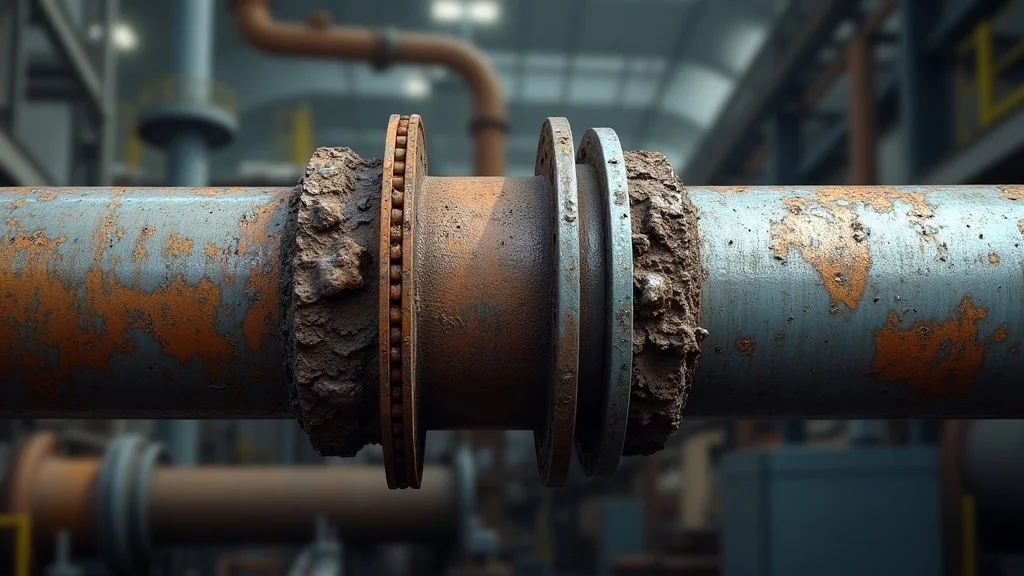
Grit chambers, industrial floors, and confined space environments represent the frontlines for abrasion-resistant coating applications. Grit chambers—commonly found in municipal wastewater treatment—face endless abrasive material flow and possible exposure to corrosive chemicals. Here, a high-performance abrasion resistant coating is the difference between predictable maintenance and costly system shutdown. Industrial facilities and confined space work also demand coatings that resist both mechanical abrasion and chemical attack. In these scenarios, selecting a coating system that’s proven in high-wear, high-stress environments ensures assets are protected against both immediate impact damage and the subtle but relentless forces that can degrade coatings over time, ultimately preventing costly asset failure and protecting the business investment in critical infrastructure.
Key Factors That Influence Abrasion Resistance in Anti-Corrosion Coatings
Surface Preparation and Its Impact on Abrasion Resistance
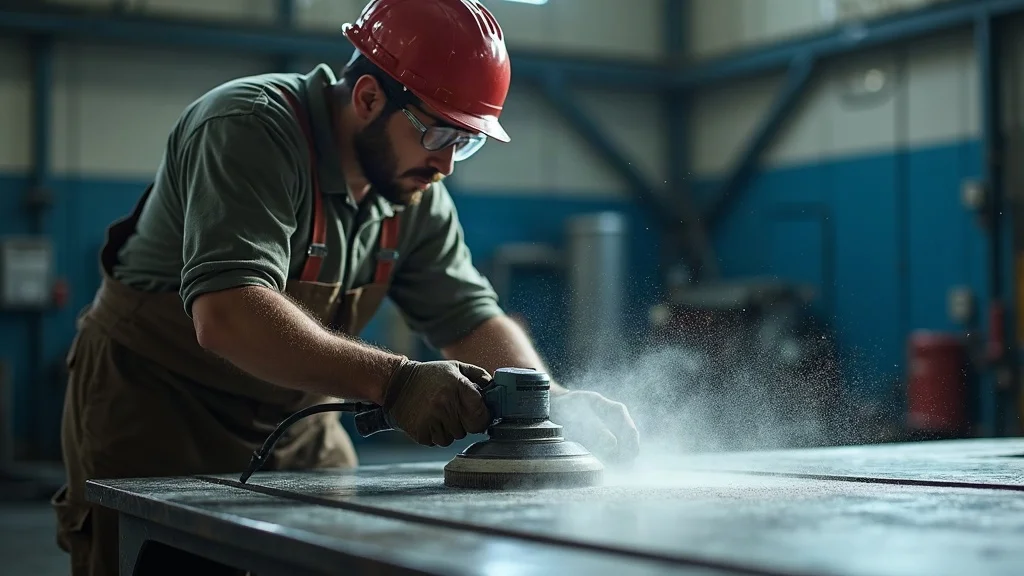
Thorough surface preparation is the foundation for any successful resistant coating system. Neglecting this step is a guaranteed way to undermine the performance of even the most advanced abrasion resistant coatings. From sandblasting and grinding to precision cleaning, each preparation method optimizes the surface profile, ensuring coatings adhere properly and reach their full potential. Inadequate surface preparation leads to weak adhesion, premature coating failure, and vulnerable areas where corrosive elements and abrasive forces begin their destructive work. Facility managers should see surface preparation as a critical stage, not an afterthought—no matter the coating type or application area, especially when working with sensitive assets in grit chambers or confined space areas. Well-prepared surfaces mean longer-lasting protection and significantly reduced lifecycle costs.
Choosing the Right Coating Types for Maximum Abrasion Resistance
Your facility’s needs will dictate the most effective coating types. Polyurethane and polyurea coatings, for instance, are at the top of the list for abrasion resistance in anti-corrosion settings. Their elasticity and toughness make them good choices for high-traffic areas, industrial floors, or environments with significant abrasive material flow. For grit chambers, where both abrasion and chemical resistance are required, polyurea coatings deliver exceptional protection. Epoxy coatings, while known primarily for their corrosion-resistant properties, can offer a durable wear surface in many industrial applications—but may require reinforcement in the harshest abrasive environments. Zinc-rich coatings also provide corrosion security in marine or salt-exposed facilities, although their abrasion resistance tends to be lower than that of polyurea or polyurethane systems. Evaluating these choices against your operational needs ensures the coating system supports the long-term reliability of your infrastructure.
The Role of Resin Technology, Additives, and Application Processes in Resistant Coatings
Beyond core chemistry, the effectiveness of abrasion resistant coatings is influenced by resin technology, advanced additives, and precise application routines. The use of high-performance polymers and additives can dramatically alter mechanical strength, enhance flexibility, and boost overall resistance to friction or impact. Equally important is how these coatings are applied: correct mixing, appropriate film thickness, and curing conditions all contribute to achieving optimal abrasion performance. Relying on professionals with expertise in protection coatings and access to modern equipment maximizes your coating investment—giving you the peace of mind that surfaces in critical areas like confined space work or grit chambers are truly protected.
Types of Anti-Corrosion Coatings: Comparing Their Abrasion Resistant Properties
| Coating Type | Abrasion Resistance | Corrosion Resistance | Typical Application |
|---|---|---|---|
| Epoxy | High | Excellent | Industrial floors |
| Polyurethane | Very High | Good | Metal structures |
| Zinc-Rich | Moderate | Very High | Marine environments |
| Polyurea | Exceptional | Very Good | Confined Spaces, Grit Chambers |
People Also Ask About Abrasion Resistance in Anti-Corrosion Coatings
What type of coating is best for abrasion resistance?
Answer: The best coating type for optimal abrasion resistance in anti-corrosion coatings typically features polyurethane or polyurea formulations, renowned for their durability in demanding environments such as grit chambers and industrial facilities.
How to calculate abrasion resistance?
Answer: Abrasion resistance is generally measured using standardized testing methods, such as the Taber Abrasion Test, which quantifies the wear rate of a coated surface under controlled friction.
What is abrasion resistance?
Answer: Abrasion resistance refers to a coating’s ability to withstand mechanical wear and friction, which is critical in maintaining effective corrosion protection over time, especially in high-traffic or abrasive environments.
What are the two most popular types of anticorrosion coatings?
Answer: The two most popular types of anti-corrosion coatings are epoxy and polyurethane systems, both of which offer significant protection and diverse performance benefits for abrasion resistance and overall corrosion protection.
Essential Steps to Enhancing Abrasion Resistance in Protection Coatings
-
Evaluate operational environment and abrasion exposures
-
Select proper coating system—coating types and resin technology
-
Focus on thorough surface preparation methods
-
Apply the protective coating under recommended conditions
-
Periodically inspect and maintain the coating system

Key Takeaways for Business and Facility Managers
-
Abrasion resistance in anti-corrosion coatings is vital for extending infrastructure life
-
The right resistant coatings protect against both mechanical and environmental damage
-
Proper surface preparation and selection of coating types are essential
-
Consult professionals for customized coating system solutions
Which settings demand superior abrasion resistance in coating systems?
Settings like grit chambers and confined space work areas require coating systems with the highest abrasion resistance. These environments frequently expose abrasive materials and metal components to wear, so protective coating systems are essential to extend the service life and prevent asset failure.
What advantages do resistant coatings offer over typical paint protection?
Resistant coatings differ from standard paint by offering superior abrasion resistance and corrosion protection. These protective coating systems are designed to withstand tough conditions, such as those in municipal wastewater treatment and grit chambers, making them good choices for extending coating service and protecting metal components.
Is it possible to upgrade existing assets with abrasion resistant coatings?
Absolutely. By applying the right coating type—like epoxy coatings or fluoropolymer coating—and following proper surface preparation, designers and owners can make a coating system that enhances durability and extends the service life of assets, even in confined space work environments.
Ready to Protect Your Assets?
Contact us today to discuss the optimal abrasion resistance in anti-corrosion coatings for your facility. Get Started with a Free Quote –https://colepainting.com/contact/or call(508) 799-9019.
In summary: Smart investment in abrasion resistance for anti-corrosion coatings ensures infrastructure reliability, fewer interruptions, and lasting value for your facility assets.