Imagine walking up to a commercial building whose façade gleams with a fresh, inviting finish. The surfaces are not just clean—they’re resilient, vibrant, and clearly built to endure. This isn’t just about curb appeal; it’s about making a proactive investment in your property’s longevity and value. As a business owner or facility manager, understanding coating systems used in commercial painting means taking control of both aesthetics and protection for your commercial assets.
Why Coating Systems Used in Commercial Painting Are Essential for Your Business
The exterior and interior surfaces of your building are constantly exposed to stress—from weather, traffic, and daily operations. These rigorous demands make it vital to choose coating systems used in commercial painting that meet the highest level of quality and durability. Wall coating and roof coatings do far more than refresh appearances; they shield vital structures against moisture, UV, and corrosive substances. With the right coating application and specialized coating services, your facility doesn’t just look better—it becomes safer, lasts longer, and operates more efficiently. Whether your property is in a bustling retail district or an industrial zone, leveraging the right technologies preserves your investments, enhances the experience of occupants, and minimizes future repair costs.
A thoughtful approach to coating processes boosts both aesthetics and structural soundness. Business owners who invest in commercial coating systems enjoy advantages from improved color density to critical surface properties that withstand constant wear. Choosing the ideal coating formulations for your building type and environment isn’t a cosmetic choice—it’s a fundamental upgrade to your facility’s long-term resilience and value proposition.
Real-World Observations: The Impact of Proper Coating Systems Used in Commercial Painting on Building Longevity
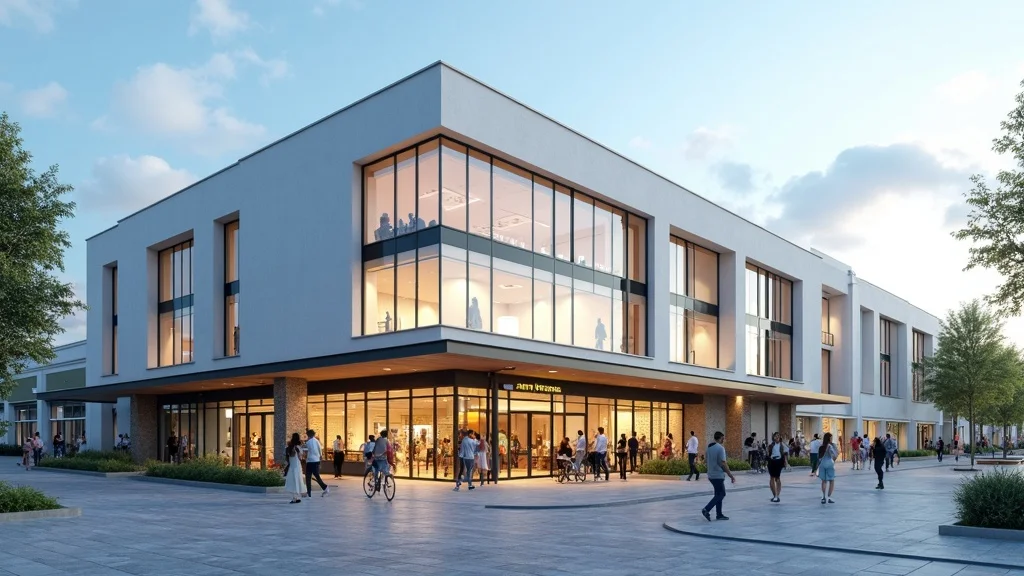
In today’s fast-changing commercial landscape, the consequences of overlooking quality in coating systems used in commercial painting are clear. Buildings with proper coating processes stand the test of time—maintaining their finish, resisting algae growth, curb weather damage, and delaying costly overhauls. On the other hand, facilities that ignore modern coating services often suffer from flaking paint, corrosion, or water penetration, which eventually lead to substantial repair bills and disruptions. The benefit of robust coating applications goes beyond the surface. These systems play a crucial role in maintaining strength and safety both outside and inside the building, ensuring staff and occupant wellbeing.
Additionally, today’s most effective coating systems employ additives that improve everything from color vibrancy to abrasion resistance—benefits that are tangible in the daily use of a facility. Whether in metal finishing for warehouses or high-traffic lobby walls, selecting and properly applying the right coatings is as much about future-proofing as it is about appearance. Savvy property managers know: the right coating process offers a lifetime gift of protection, safety, and asset appreciation.
What You’ll Learn About Coating Systems Used in Commercial Painting
-
The fundamentals and definitions of coating systems used in commercial painting
-
Key coating processes and how each affects outcomes
-
Factors influencing the right choice for your facility
-
Common pitfalls, expert tips, and insider opinions
Understanding Coating Systems Used in Commercial Painting
At its core, a coating system used in commercial painting is a carefully formulated combination of materials applied in a specific sequence to protect or enhance building surfaces. This process typically involves surface preparation, the application of a primer, intermediate layers, and a final topcoat. Each stage of the coating process is essential, ensuring that the coating thickness, chemical composition, and adhesion characteristics are optimal. Whether you’re dealing with high-moisture areas that need waterproofing roof coatings or hallways that require wall coating with improved color and durability, understanding the full scope of these systems—primer, binder, and pigment to proprietary coatings—is key.
Choosing the correct system hinges on knowing your building’s specific needs and the variety of coating services available on the market. For instance, the performance of epoxy in industrial settings versus the flexibility of acrylic resins in high-traffic retail spaces highlights the importance of matching coating formulations to their function. Advanced coatings and films today use additives that can improve weather resistance, color stability, or ease of cleaning, all assessed by modern characterization methods such as electron microscopy or thickness measurement.
Coating Process: Breaking Down the Coating Application Steps
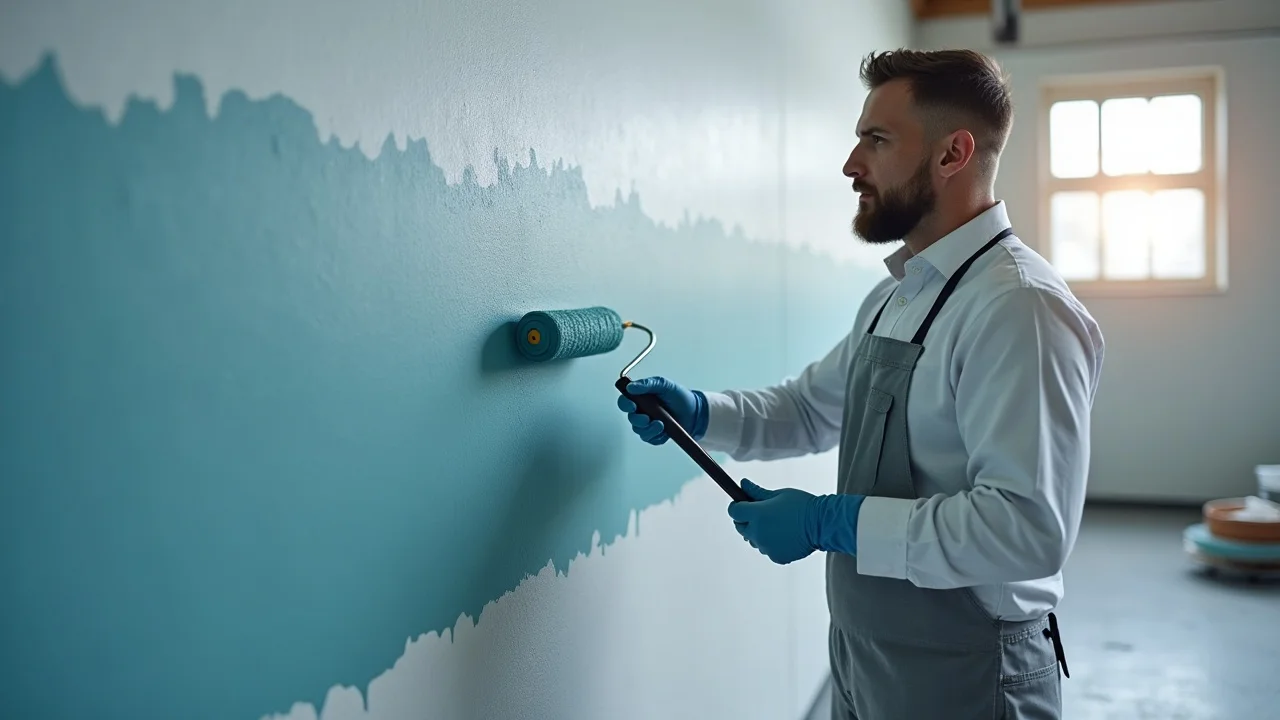
Every effective coating process begins with assessing the condition of the existing surface. The initial step is thorough surface preparation—removal of old, flaking materials, power washing, or light sanding, all vital for ensuring maximum adhesion and extending the lifetime of the coating. Next comes the application of a primer tailored to the specific surface, whether it’s concrete, metal, or drywall. Primers seal the substrate, provide excellent surface properties for adhesion, and sometimes contribute to corrosion resistance, especially important in metal finishing and roof coatings.
Once primed, intermediate layers are built up for added durability. These layers may incorporate unique coating formulations that boost impact resistance or resist chemicals and moisture—safeguarding the structure against both everyday and extreme conditions. The final stage in the coating application is the topcoat, which defines the ultimate appearance and performance. This step is when specialized colors, textures, or even reflective properties can be added, improving the color quality and energy efficiency of the structure. The combined effect of each careful coating process step results in a protective shield for your property, ensuring longevity and ease of maintenance.
Exploring Various Coating Processes Used in Commercial Painting
The world of coating processes used in commercial painting offers a broad range of solutions, each designed for precise applications and benefits. For high-durability environments such as factories or warehouses, epoxy coatings are often the go-to choice given their remarkable resistance to chemicals and abrasion. Polyurethane, on the other hand, is favored for its flexibility and UV stability—making it a top pick for offices, hotels, or other venues seeking both durability and a visually appealing finish. Meanwhile, acrylic coatings are well-suited for retail spaces due to their fast drying time, simple maintenance, and capacity to improve the color vibrancy of commercial interiors.
Understanding which coating process fits your environment can mean the difference between strength and safety or constant maintenance headaches. Factors like coating thickness, surface texture, and the chemical composition of proprietary coatings are all considered in expert finishing processes. Plus, recent advances in electron microscopy and other scientific methods have made it easier than ever to measure and guarantee optimal performance—ensuring that whether you’re protecting metal, masonry, or drywall, you have a system engineered for your needs. Learning to match these processes with environmental demands is the mark of a savvy property manager or business owner investing in sustainable protection.
| Coating Type | Typical Use | Main Benefits |
|---|---|---|
| Epoxy | Warehouses, Factories | Chemical & abrasion resistance |
| Polyurethane | Offices, Hotels | UV stability, aesthetic appeal |
| Acrylic | Retail Spaces | Fast drying, easy maintenance |
Critical Insights: Selecting the Right Coating Services for Your Project
“A thoughtfully chosen coating system can mean the difference between lasting protection and premature deterioration.”
Selecting specialized coating services isn’t just about picking a paint color; it’s about partnering with professionals who understand the science behind each coating process and can recommend the best product for your unique situation. Top-tier providers offer more than just equipment and expertise—they analyze environmental exposure, factor in maintenance demands, and ensure all safety and compliance protocols are strictly upheld. Such high-level attention ensures that every wall coating or roof coating applied brings the highest level of durability and visual appeal.
When choosing your coating services partner, look for certifications, previous project success stories, and a willingness to explain coatings and films options tailored to your business type. True professional commitment reflects in detailed assessment, precise matching of coating formulation to need, and comprehensive aftercare advice. This alliance is a vital step in maintaining the quality and reputation of your facility—delivering not only aesthetic upgrades, but also measurable returns through extended asset life and reduced operational disruptions.
Lists of Key Considerations in the Coating Application Process
-
Assessing surface conditions
-
Matching coating systems to environmental exposure
-
Adhering to safety and compliance standards
-
Partnering with certified coating services

FAQs About Coating Systems Used in Commercial Painting
What do you mean by coating?
Coating refers to the application of a material—often a liquid, powder, or film—across the surface of an object to create a protective or decorative covering. In commercial painting, coating systems are specifically designed for durability and performance, enhancing both the surface properties and longevity of buildings. These coatings shield surfaces from moisture, UV light, chemicals, and everyday wear, forming a barrier that preserves the building’s structure and appearance over time.
What are the three types of coating?
The three primary types of coatings in commercial painting are epoxy, polyurethane, and acrylic. Epoxy coatings are renowned for their strength and chemical resistance, making them common in industrial and warehouse settings. Polyurethanes offer superior flexibility and UV resistance, often chosen for offices, hotels, and areas needing both resilience and attractive finishes. Acrylics, meanwhile, dry quickly and are easy to maintain, ideal for high-traffic commercial spaces whose owners value efficiency and steady appearance.
What is a synonym for coating?
Synonyms for “coating” include “finish,” “layer,” “covering,” “film,” and “sheath. ” In property maintenance and commercial painting, these terms reflect the vital role of applied layers in safeguarding infrastructure, improving color vibrancy, and contributing to the overall durability of business properties and commercial environments.

Key Takeaways for Effective Use of Coating Systems Used in Commercial Painting
-
Quality coating systems are vital for protection and aesthetics
-
The right coating application and process maximize building value
-
Expert coating services ensure long-term results
Empowering Your Next Project: Make the Most of Coating Systems Used in Commercial Painting

Ready to elevate your facility’s look and longevity with professional coating services?Get Started with a Free Quoteor call(508) 799-9019.
Watch: “A Day in the Life of a Commercial Painting Crew”
Conclusion: Proactive investment in coating systems used in commercial painting is the smart way to safeguard, beautify, and add value to your business assets—partner with experts to unlock the best protection and returns.