Did you know that the wrong type of paint or coating can reduce a building’s lifespan by years? Choosing between commercial painting versus industrial coatings isn’t just about appearances—it’s a decision with real impact on your property’s value, durability, and long-term maintenance costs. In this guide, we dive deep into the differences, help you understand what’s at stake, and walk you through selecting the best option for your facility or business.
A Surprising Look at Commercial Painting Versus Industrial Coatings
Did you know that the wrong type of paint or coating can reduce a building’s lifespan by years? Choosing between commercial painting versus industrial coatings is more than an aesthetic decision—it’s a crucial investment in your property’s longevity.
For many business owners and facility managers, the choice between commercial painting versus industrial coatings can feel overwhelming. Each option brings unique benefits and suits different scenarios. Understanding how these solutions differ, where they overlap, and what each can deliver is vital to protecting your building’s structure, style, and overall asset value. In this article, we’ll back your search for the ideal painting service with expert knowledge and practical pointers so you avoid common mistakes and make informed decisions. By the end, you’ll know whether your next painting job demands the finesse of a commercial paint job or the resilience of an industrial coating—and why proper surface prep always matters. Let’s explore!
What You’ll Learn About Commercial Painting Versus Industrial Coatings
- Key differences between commercial painting and industrial coatings
- How to assess your property’s maintenance needs
- The role of surface prep in successful painting projects
- Expert tips for choosing the right paint job or coating
- How industrial and commercial painting impacts property value and longevity

Understanding Commercial Painting Versus Industrial Coatings: Definitions and Core Concepts
What is Commercial Painting?
Commercial painting is specialized painting performed in settings like offices, hotels, retail stores, hospitals, and schools. The goal of commercial painting is to deliver an attractive, welcoming, and professional appearance that enhances the visitor’s experience and supports a brand’s image. Commercial paint is typically chosen for its low odor, fast drying properties, and its ability to cover large, frequently trafficked areas with easy maintenance. Choosing the right painting service for these projects means balancing color palettes and finishes with the daily usage needs of the property, whether that’s durability for busy hallways or scuff resistance for high-touch areas. Commercial painters must be skilled in working around tenants and operations, minimizing downtime, and achieving a flawless look with surfaces like drywall, wood, and ceiling tiles.
Commercial paint also includes options designed for specific requirements, like antimicrobial finishes for hospitals or stain-resistant coatings for restaurants and retail stores. Whether your painting project involves updating a single conference room or refreshing the public spaces of a large property, commercial painting focuses on aesthetics and efficiency. For business owners, the right commercial paint job not only impresses customers but also helps maintain tenant satisfaction and property value by protecting the infrastructure beneath the surface.
What are Industrial Coatings?
Industrial coatings, on the other hand, are engineered for performance over aesthetics. Used in facilities such as factories, warehouses, plants, and infrastructure projects, industrial paint and coatings are designed to stand up to chemical exposure, abrasion, moisture, and other aggressive environments. These heavy-duty protective coatings—think epoxy coatings and urethanes—provide a barrier against rust, corrosion, and impact, making them essential for safeguarding machinery, equipment, and structural steel.
Industrial painting services prioritize the long-term integrity of surfaces that may be subject to extreme wear and tear. Unlike commercial painting, which focuses on color and visual impact, industrial coating systems are chosen for their ability to resist chemicals, frequent cleaning, temperature swings, and mechanical stress. Industrial painters require advanced training and certifications to apply these coatings safely and properly, ensuring compliance with industry standards and regulations. The right industrial coating makes your facility safer, reduces maintenance costs, and extends the lifespan of valuable assets.
How Commercial and Industrial Painting Differ
The primary difference between commercial painting versus industrial coatings comes down to function and environment. Commercial painting focuses on making spaces vibrant and visually pleasing while withstanding the demands of public or employee use. Industrial coatings, however, are engineered for durability and protection against physical, chemical, or environmental hazards. Project size, techniques, and surface prep also vary: commercial projects may involve interior and exterior walls, ceilings, and trim, whereas industrial painting tackles steel beams, floors, pipes, and tanks with specialized application methods.
In summary, both solutions aim to protect your investment, but the choice depends on your facility’s day-to-day needs, exposure risks, and long-term objectives. Knowing this distinction is the foundation for selecting the right painting job—and for avoiding costly mistakes during your next painting project.
Surface Prep and Surface Preparation: The Foundation of Every Successful Painting Project
Why Surface Prep Matters in Commercial Painting Versus Industrial Coatings
Whether you’re investing in commercial painting or applying industrial coatings, proper surface preparation is non-negotiable. A painting job is only as durable and attractive as the surface it adheres to—neglecting prep can cause premature peeling, bubbling, or corrosion. In commercial paint applications, surface prep ensures that old paint, grease, and imperfections are removed so new coatings bond smoothly and look flawless. For industrial painting projects, the stakes are even higher: surface prep removes rust, oil, chemicals, and debris, creating an ideal base for heavy-duty coatings to lock out moisture and withstand harsh conditions.
Different types of painting projects demand different prep techniques, including washing, sanding, abrasive blasting, and even chemical treatments. The choice of method and thoroughness of the process can significantly affect how both commercial and industrial paint jobs age, perform, and protect your property. Skimping on surface preparation can lead to more frequent repaints and unexpected maintenance headaches—especially in demanding environments like factory floors or warehouse loading docks.
Steps for Proper Surface Preparation
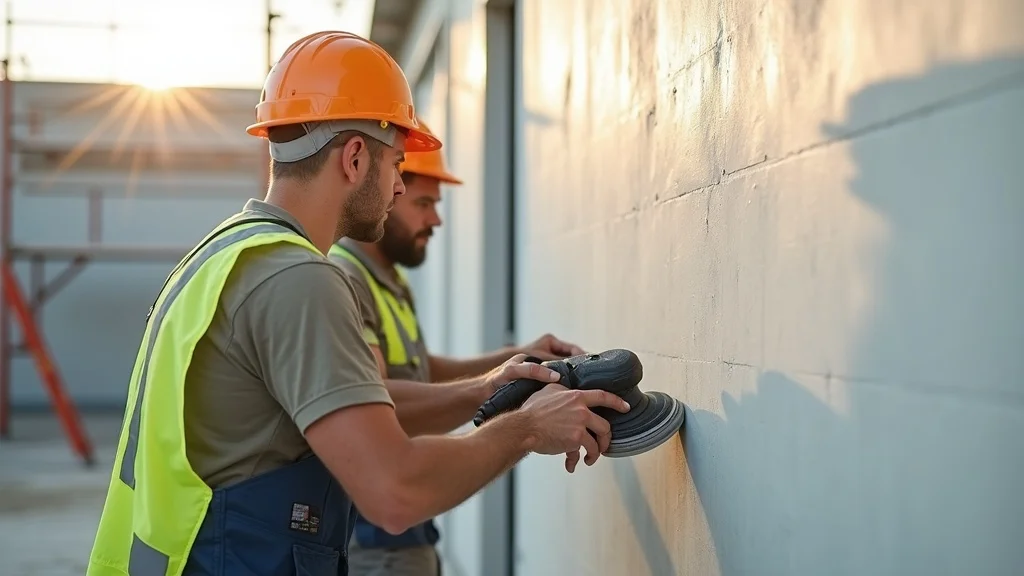
Every successful painting project, whether commercial or industrial, begins with a meticulous surface preparation checklist. Start by inspecting the surface for contaminants such as dirt, grease, or mildew. After identifying existing damage or wear, thoroughly clean the area—this may involve power washing, sandblasting, or solvent wipes depending on the substrate and future type of paint or industrial coating to be applied. Next, repair cracks, holes, or imperfections using appropriate patching materials, ensuring a smooth and level base. Sanding or abrading the surface not only smooths out irregularities but also increases the new coating’s “bite,” ensuring long-term adhesion. Finally, masking off adjacent surfaces and priming—if the system requires it—set the stage for flawless coverage, regardless of whether you use commercial or industrial painting techniques.
Missing or rushing through any of these steps can result in a painting job that fails prematurely, regardless of the quality of the paint or coating itself. Experienced industrial and commercial painters emphasize that surface prep may be the longest stage of a painting project, but it’s worth every hour spent for the durability, beauty, and performance it delivers.
Common Challenges in Painting and Coating Services
Commercial and industrial projects present unique hurdles for painting services. Time constraints often force work to be done during off-hours or around active business operations for commercial facilities, making logistics a challenge. Industrial settings may require specialized safety measures, containment for fumes or overspray, and precise temperature or humidity controls during application. The variety of substrates—ranging from concrete, drywall, and metal to more exotic surfaces—also demands a flexible and knowledgeable approach to surface prep, paint selection, and coating compatibility.
Other frequent challenges include identifying hidden moisture issues, dealing with unexpected structural repairs, and accommodating for existing traffic or machinery. These complexities make it essential to hire painting services with proven experience in both commercial and industrial painting projects, as their expertise in solving such issues predicts better long-term outcomes and less facility downtime.
Types of Paint and Coating for Commercial and Industrial Applications
Choosing the Right Type of Paint
Paint is never one-size-fits-all—especially when comparing commercial painting versus industrial coatings. Commercial paint options emphasize visual appeal, fast drying, and ease of touch-ups, making them popular for offices, retail stores, and hospitality environments. Water-based latex or acrylic paints provide vibrant color choices and are often low in odor and VOCs for occupied buildings. On the opposite end, industrial paints and coatings such as epoxies, polyurethanes, and alkyds are selected for specific resistances, like withstanding high traffic, exposure to chemicals, or extreme temperatures.
Your choice of type of paint should match the performance needs identified during property evaluation. For example, warehouse floors benefit from tough, slip-resistant epoxy coating systems, while retail spaces may prioritize scuff-resistant, easy-to-repaint finishes. Consulting with a specialized painting service ensures you receive guidance tailored to your building’s function, regulatory requirements, and daily operating conditions.
Industrial Paint and Commercial Paint: When to Use Each
Use commercial paint when aesthetics, speed, and occupant comfort lead the requirements—such as in lobbies, conference rooms, and customer-facing interiors. Because commercial painting focuses on design and clean finishes, these paints are formulated for color retention and easy maintenance. However, these paints generally lack the robust chemical and physical resistances needed for harsher environments.
Industrial paint and coatings should be the default for settings where durability trumps all: manufacturing plants, storage facilities, bridges, or chemical processing plants. Factors like presence of forklifts, exposure to solvents or acids, and ongoing mechanical wear require heavy-duty systems that go beyond what commercial paints offer. Industrial painting service providers consider OSHA and EPA compliance, ensuring the product you choose not only protects but aligns with health, safety, and environmental standards.

Specialty Industrial Coatings
Industrial coatings extend far beyond basic protective paint jobs. Facilities facing specific challenges can opt for specialized solutions, such as epoxy coating for heavy-duty floors, zinc-rich primers for steel structures, or fluoropolymer systems for extreme chemical environments. These coatings often deliver exceptional performance in resisting abrasion, UV rays, impact, and corrosion, critical to manufacturing facilities, process plants, and even food production operations.
Specialty coatings can be custom-formulated to meet demands like fire resistance, anti-slip textures, or static control. Investing in these tailored solutions ensures not only the protection of valuable assets but also demonstrates a commitment to workplace safety and regulatory compliance. For business owners in high-risk sectors, the advice of experienced industrial painting services is invaluable—expert input can guide you to coatings that offer maximum value, longevity, and peace of mind.
How Paint Type Affects the Durability of Painting Projects
The durability of any painting project hinges first on the chosen type of paint or coating. Using the wrong product can result in rapid wear, delamination, or a visually unsatisfactory finish. Commercial paint offers reliable performance when matched to the right surface and environment—frequent touch-ups and repaints, however, can be expected in high-traffic areas. Industrial coatings, designed for resilience, often provide multi-year protection even in the harshest environments, reducing the total cost of ownership and downtime due to maintenance.
The right coating system protects against moisture ingress, chemical exposure, abrasion, and thermal shifts, ensuring the underlying structure remains intact for years to come. Painting contractors with deep knowledge of both product lines can help you balance budget, durability, and compliance for your property’s specific needs, ensuring the longest possible lifecycle for your painting projects.
Evaluating Painting Service Options: Commercial and Industrial Painting Services
What to Look For in a Painting Service
Choosing the right painting service is a critical step for business owners and facility managers. Look for companies with a strong track record in projects similar to yours—whether that’s a major commercial renovation, a large warehouse floor, or a mixed-use facility. Verify that the painting contractor has relevant certifications, licenses, and experience in handling both commercial and industrial painting methods. A premier painting service will offer clear project timelines, transparent communication, and a detailed breakdown of each phase, from prep to final inspection.
Additionally, ensure your painting contractor is knowledgeable about OSHA safety standards, environmental regulations for paint disposal, and the latest in coating technologies. Referrals, testimonials, and a robust project portfolio are helpful indicators of reliability and expertise. For highly regulated or challenging environments, prioritize professionals who specialize in industrial painting service to minimize risk and deliver optimal protection.

Benefits of Professional Painting Services for Business Owners
Enlisting professional painting services offers business owners peace of mind and tangible benefits. Quality painting services save time and eliminate the hassle of managing crew schedules, equipment rentals, and product sourcing. Professionals bring expert knowledge of surface prep, type of paint, and ideal application techniques for both commercial painting and industrial coatings. Their familiarity with potential pitfalls—such as improper curing, incompatible substrates, or inadequate masking—ensures a smooth and efficient process from start to finish.
With professional painters, you gain access to warranties, safety assurances, and compliance documentation that protect you in case of workmanship or material failures. In the long run, investing in a reputable painting service enhances your property’s value, preserves infrastructure, and prevents costly surprise repairs. For large-scale or mission-critical facilities, the partnership with skilled commercial and industrial painters is essential to meeting operational goals and regulatory standards.
How Experienced Industrial Painters Impact Project Outcomes
The results of an industrial painting project can vary widely based on the skill, training, and experience of your painting contractor. Certified industrial painters are adept at surface prep, specialty coating application, and safety procedures—including working at heights, confined space operations, and handling hazardous materials. Their continued training means they stay ahead of industry innovations, better able to recommend and apply coatings that maximize lifecycle and safety.
Experienced industrial painting services understand factors like environmental controls, strict downtime windows, and detailed project documentation. Their attention to compliance and ability to troubleshoot during application minimize risks and guarantee conformance with both manufacturer warranties and code requirements. Ultimately, the expertise of your painting contractor is the difference between a job that simply looks good on day one—and a lasting protective investment for your facility.
Key Differences in Application: Project Size, Complexity, and Requirements
Commercial Painting for Offices, Retail, and Hospitality
Commercial painting projects typically involve vibrant color choices and quick turnarounds for spaces where aesthetics are paramount—such as offices, lobbies, retail stores, and hotels. These projects focus on delivering a consistently clean, inviting appearance using paints and finishes designed for easy cleaning and frequent touch-ups. In commercial environments, painting is often scheduled around business hours to minimize interruptions, and tighter deadlines are met with streamlined processes and larger teams.
When painting retail stores or hospitality venues, contractors work closely with owners or managers to ensure brand consistency and compliance with safety requirements. The choice of products, from satin finishes to specialty anti-microbial paints, is customized for both the look and function of each space. Ultimately, commercial painting improves the experience of customers, enhances brand image, and helps property managers retain tenants in competitive markets.
Industrial Coatings for Manufacturing, Warehousing, and Infrastructure
Industrial coatings projects present a different set of requirements: durability, high performance, and strict adherence to safety and environmental standards. These projects might include large manufacturing plants, warehousing spaces, loading docks, bridges, or water treatment facilities. Surface prep is often more intensive, involving abrasive blasting or chemical stripping to ensure optimal adhesion of heavy-duty coatings.
Industrial coatings such as epoxy, polyurethane, or zinc-rich systems provide layers of protection from abrasion, chemical spills, temperature extremes, and mechanical impacts. The complexity of these projects often demands extended scheduling, with longer cure times and multi-step applications to guarantee protection, regulatory compliance, and a longer lifecycle. When planned and executed properly, industrial painting dramatically reduces repair costs and unplanned facility downtime.
Industrial and Commercial Painting for Unique Environments
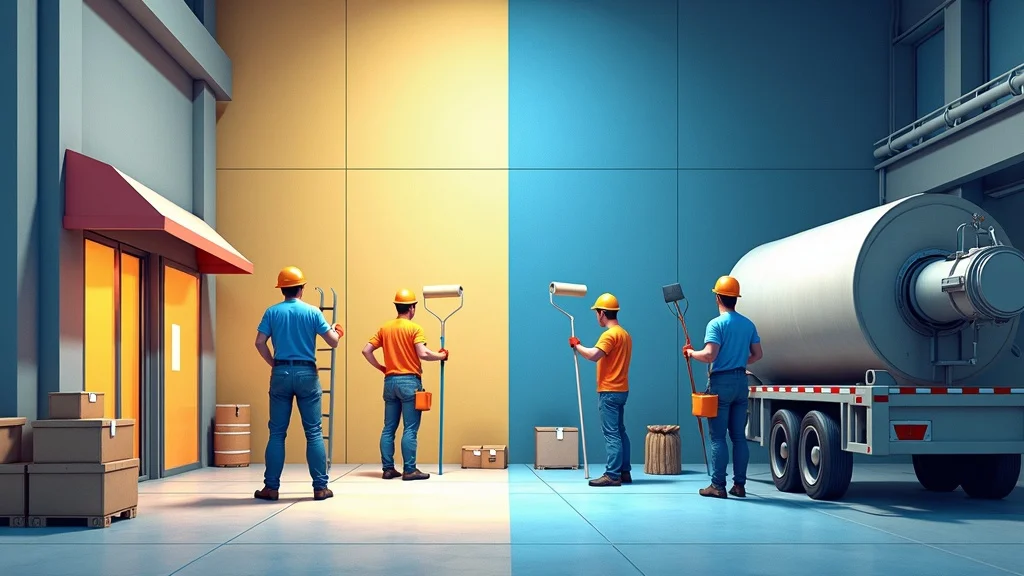
Some facilities—such as transportation hubs, healthcare campuses, or mixed-use developments—demand elements of both commercial and industrial painting. These unique environments may feature a mix of public spaces (requiring high-aesthetic commercial painting) and critical infrastructure that needs robust industrial coatings. The contractor’s ability to seamlessly pivot between application methods, products, and safety requirements is essential in these complex projects.
Experienced contractors assess each area’s exposure, traffic, and maintenance protocols before recommending a tailored solution. The result: a cohesive, high-performance finish that aligns with the property’s operational goals and regulatory needs while maintaining an attractive public-facing appearance. This integrated approach maximizes value, durability, and practicality for properties with diverse usage patterns.
Best Practices for Painting Projects: Surface Preparation, Scheduling, and Execution
Planning a Commercial Painting Project
Planning is the cornerstone of every successful commercial painting project. Start by developing a scope of work, identifying high-priority areas, and setting a schedule that minimizes business disruptions. Choose paints with low VOCs, fast dry times, and proven colorfastness—essentials for occupied buildings and areas with high traffic. Budget for surface repairs, patching, and masking to ensure the final result delivers both beauty and long-lasting performance.
Communication is key: keep stakeholders informed, coordinate entry/exit points, and schedule final inspections to catch missed spots or touch-up needs. A well-organized process guarantees your commercial painting job is completed on time, within budget, and to the highest standards—leaving your facility looking refreshed and ready to impress.
Managing Industrial Painting and Coating Timelines
Industrial painting and coating projects often come with complex logistics. These jobs require extra time for surface prep—think abrasive blasting, structural repairs, or special equipment for confined spaces. Advanced planning around shutdowns or restricted access is essential. Many industrial coatings also require multi-day cure times between layers to achieve specified performance, meaning project managers must factor in weather, humidity, and facility schedules to prevent delays.
Working with a painting contractor experienced in industrial projects ensures timelines are realistic and contingency plans are in place. Project managers and foremen track each phase, from prep to final cure, checking for quality control and compliance at every stage. Keeping lines of communication open with facility staff helps reduce safety risks and operational interruptions, leading to a more successful outcome overall.
Ensuring Safety and Compliance with Painting and Coating Standards
Compliance isn’t just a box to check—it’s a necessity in both commercial and especially industrial painting. Professional painting services know the ins and outs of OSHA, EPA, and local regulatory requirements. This includes proper use of safety gear, secure containment for dust or fumes, and environmentally responsible disposal of paints and coatings. Detailed documentation of material safety data, batch numbers, and jobsite hazards is routine for top-tier contractors.
Facility managers should verify their chosen painting service provides written safety plans, routine employee training, and regular compliance checks. This focus on safety and compliance not only reduces liability and risk but also ensures your painting job meets warranty and insurance requirements—protecting your investment for years to come.
Comparing Commercial Painting Versus Industrial Coatings: A Comprehensive Table
| Feature | Commercial Painting | Industrial Coatings |
|---|---|---|
| Application Method | Brush, roller, spray (interior/exterior walls, ceilings) | Sprayer, brush, or immersion (steel, floors, machinery, tanks) |
| Material Type | Acrylics, latex, alkyds, low-VOC paints | Epoxy, polyurethane, zinc-rich, specialty coatings |
| Durability | Medium (frequent traffic, easy touch-ups) | High to extreme (chemical, abrasion, weather resistant) |
| Ideal Use Cases | Offices, retail, schools, hospitality, health care | Factories, warehouses, infrastructure, chemical plants |
| Maintenance Needs | Regular cleaning and touch-ups, periodic repainting | Routine inspection, touch-up, less frequent full recoats |
Qualities of Exceptional Industrial and Commercial Painting Contractors
- Proven track record with similar painting projects
- Industry-specific certifications for industrial painting service
- Expertise in both surface prep and application
- Adherence to safety and environmental regulations
- Strong communication and project management skills
Common Mistakes to Avoid in Commercial and Industrial Painting Projects
- Skipping thorough surface preparation
- Choosing the wrong type of paint or industrial coating
- Underestimating project size or scope
- Hiring non-specialized painting services
- Ignoring maintenance and follow-up needs
Expert Quotes on the Value of Proper Painting and Coating
“A quality industrial coating is an investment in the future structural integrity of your facility.” – Industry Expert
“Commercial painting protects your brand image as much as your infrastructure.” – Professional Painting Contractor
Industrial Coating and Commercial Painting: Maximizing Longevity and Asset Value
Regular Maintenance and Inspection Tips
Routine maintenance and regular inspections extend the life of both commercial paint jobs and industrial coatings. For commercial surfaces, cleaning, spot touch-ups, and periodic repaints maintain vibrancy and protection. In industrial settings, scheduled inspections target areas prone to wear, corrosion, or chemical attack, with corrective action taken before problems escalate. Keeping a maintenance log helps both business owners and facility managers track performance, plan budgets, and avoid costly surprises.
An investment in maintenance ensures all painting and coating systems perform as designed—preserving safety, preventing downtime, and boosting property value. Partnering with your painting contractor for scheduled assessments and quick-response repairs further guarantees long-term protection for your most valuable assets.

Long-Term Cost Savings with the Right Paint Job
While higher-quality or specialty coatings may involve a larger upfront investment, they lead to significant long-term savings by reducing repaint frequency, minimizing emergency repairs, and lowering facility downtime. For both commercial and industrial environments, the right paint or coating can add years to surface life, sustain brand appeal, meet regulatory compliance, and protect the core structure from hidden damage. Ultimately, selecting the right painting system and following best practices delivers optimal total cost of ownership for your property.
People Also Ask: Answers About Commercial Painting Versus Industrial Coatings
What is the main difference between commercial painting and industrial coatings?
The main difference lies in function and performance. Commercial painting is designed for visual appeal and routine traffic in offices, retail, and hospitality settings, while industrial coatings prioritize protection against heavy wear, chemicals, and extreme conditions in factories or warehouses. Industrial coatings generally use stronger, specialized materials and have more intensive surface prep requirements.
Which lasts longer: commercial paint or industrial coatings?
Industrial coatings usually last much longer due to their high resistance to abrasion, chemicals, and environmental hazards. Commercial paint is durable for its intended use but may require more frequent touch-ups and repainting in high-traffic or exposed areas. Regular maintenance extends the lifespan of both, but industrial coatings offer superior longevity in tough environments.
How can I choose between a commercial painting project and an industrial coating project?
Assess the environment, type of surface, exposure to chemicals or mechanical wear, and the function of each area. Consult with a painting service that specializes in both commercial and industrial projects to match the product and process to your building’s unique needs, budget, and regulatory requirements.
What properties benefit most from industrial coatings over commercial painting?
Properties such as manufacturing plants, warehouses, bridges, chemical processing facilities, and structures exposed to harsh weather, heavy traffic, or corrosive elements benefit most from industrial coatings. These environments require extra protection for longevity, compliance, and safety.
Are there environmental considerations with industrial and commercial painting?
Yes, modern painting and coating projects must comply with environmental regulations on VOC levels, waste disposal, and containment of dust or fumes. Reputable painting contractors use eco-friendly products when possible and follow best practices for minimizing environmental impact and ensuring the health and safety of workers and occupants.
FAQs about Commercial Painting Versus Industrial Coatings
- Do I need special permits for industrial and commercial painting? Some industrial and complex commercial projects may require permits for safety, environmental, or zoning reasons. Your painting contractor should advise on all regulatory needs before starting the project.
- How often should industrial and commercial surfaces be repainted? Repainting schedules vary with use and environmental exposure. Commercial areas typically require more frequent, lighter touch-ups, whereas industrial settings may have longer intervals built around inspections and preventive maintenance.
- Can commercial paint be used for industrial applications? It’s rarely advised—commercial paints do not have the protective qualities needed for industrial settings and may fail prematurely under harsh conditions.
- What is included in a typical industrial painting service? Expect full surface prep, specialized coating selection, safety planning, regulatory compliance, and post-project quality assurance. Many services also offer warranty and maintenance options.
- How do I know which painting and coating products are right for my facility? Consult with a professional painting contractor familiar with both commercial and industrial products. They’ll assess your property, usage, and exposure risks to recommend the best system for your specific needs.
Key Takeaways: Commercial Painting Versus Industrial Coatings
- Correct surface prep ensures durability for both commercial painting and industrial coatings
- Industrial coatings are designed for more aggressive environments and higher durability
- Consulting a specialized painting service leads to better long-term results
- Always match the coating or paint to your environment and usage needs
Ready to Choose? Get Started with a Free Quote
Contact our expert team for tailored guidance on commercial painting versus industrial coatings. Get Started with a Free Quote or call (508) 799-9019.
Investing in the right painting system protects your property, enhances operation, and saves you money for years. Ready to make the right choice for your building? Take the next step today!