
Did you know? According to industry research, untreated corrosion can cause structural steel in industrial settings to lose up to half its strength within a decade, leading to significant safety hazards and millions in maintenance costs. If you want to ensure the longevity of your industrial assets—and avoid costly downtime—discover why anti-corrosion coatings in industrial painting are your first line of defense. Don’t wait for expensive repairs: effective coatings can protect, maintain, and extend the life of your facility’s metal surfaces starting now.

Why Anti-Corrosion Coatings in Industrial Painting Are Critical for Industrial Settings
Industrial environments—from oil and gas refineries to expansive manufacturing plants—are frequently exposed to corrosive agents like humidity, salt spray, and chemicals. When unprotected, these elements rapidly attack metal support structures, storage tanks, and pipelines, introducing both safety risks and operational complications. The right anti-corrosion coatings act as a resilient, protective barrier, safeguarding your assets against continuous attack from corrosive substances and the harsh reality of environmental stress.
Even the sturdiest infrastructure can quickly succumb to rust and corrosion if left vulnerable. Corrosion protection coatings not only preserve the structural integrity of your industrial assets, but also help to reduce maintenance, prevent expensive repairs, and ultimately extend the lifecycle of vital components—helping facilities optimize both safety and profitability. Whether you manage pipelines, steel beams, or support columns, integrating protective coatings into your maintenance plan is essential for ensuring longevity and compliance with stringent industry standards.
“Corrosion can silently decrease the lifespan of your industrial assets, impacting safety and profitability. High-performance coatings are your first line of defense.”
What You’ll Learn About Anti-Corrosion Coatings in Industrial Painting
-
How corrosion affects industrial settings and assets
-
The types of anti-corrosion coatings and their advantages
-
Best practices for corrosion protection and maintenance
-
Key standards to ensure optimal protective coating application
-
Ways to reduce maintenance costs by selecting the right solution
Understanding Corrosion and Corrosion Protection in Industrial Settings
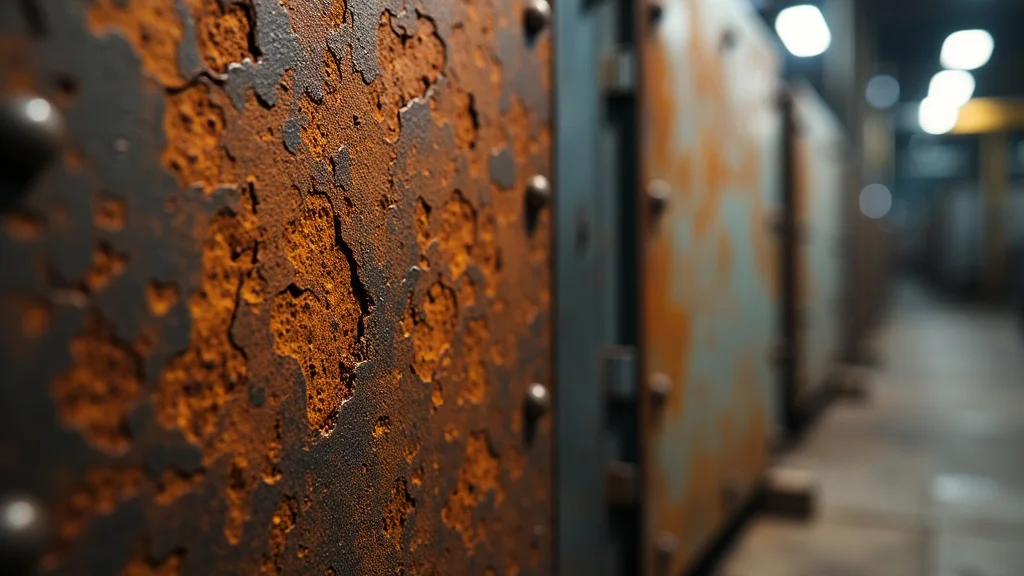
Corrosion is more than just a cosmetic issue; it represents a persistent threat to industrial assets exposed to moisture, chemicals, and salty atmospheres. In industrial settings, particularly within the oil and gas sector or areas with high humidity, unprotected metal surfaces can rapidly deteriorate, risking both asset failure and regulatory non-compliance. Simply put, a failure in corrosion protection can halt production, threaten worker safety, and lead to prolonged downtime.
For facility managers, understanding how to prevent this gradual destruction is essential. Anti-corrosion coatings in industrial painting provide a defensive layer that isolates metal surfaces from corrosive agents—like salt spray or industrial chemicals—by forming a durable seal. These corrosion coatings aren’t a one-size-fits-all solution. Selection must consider the operating environment, the material of the asset, and the type of exposure over time. Thus, comprehensive protection requires an understanding of both the science of corrosion and the technology behind effective protective coatings.
The Science Behind Corrosion in Industrial Assets
At its core, corrosion is an electrochemical reaction that occurs when a metal surface encounters moisture and oxygen. This interaction leads to oxidation, where metal atoms lose electrons and form rust (iron oxide). In many industrial applications, this process is accelerated by environmental factors such as salt spray, fluctuating temperatures, and chemical exposure. Left unchecked, the spread of oxidation can penetrate deep into structural components, leading to reduced load capacity and even catastrophic asset failure.
Corrosion protection begins with knowledge of how these corrosive agents attack metal surfaces. In oil and gas facilities, for example, pipelines and support structures endure constant environmental stress, making comprehensive corrosion coatings a necessity rather than a luxury. By understanding how humidity, contaminants, and air pollutants interact with metal, facility managers can proactively deploy the right protection coating, restoring the reliability and longevity of their industrial assets.
Corrosion Protection Essentials in Protective Coatings
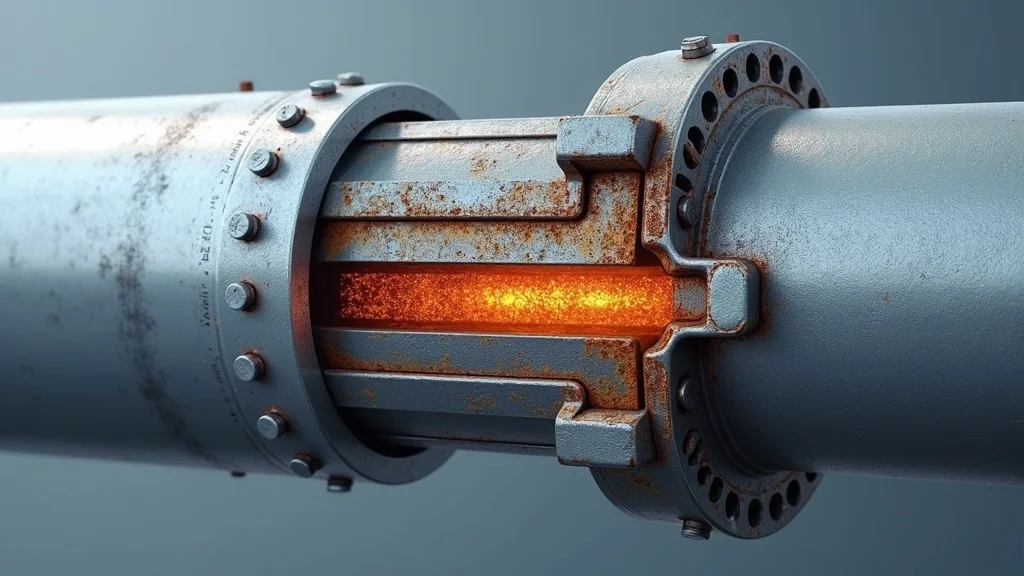
The primary function of anti-corrosion coatings in industrial painting is to prevent these detrimental reactions by creating an impenetrable barrier on metal surfaces. Modern corrosion protection coatings are engineered from advanced polymers or metallic compounds designed for harsh industrial environments. The coating’s chemical composition provides resistance to moisture, oxygen, and even aggressive chemicals, making them essential for oil and gas facilities, refineries, and manufacturing plants.
In practice, effective protection coatings are selected based on performance against corrosion, compatibility with specific industrial settings, and the life expectancy of assets. Options such as epoxy and polyurethane offer excellent chemical and mechanical resistance, while zinc-rich and alkyd coatings excel in cost-efficiency and flexibility. Understanding the unique benefits and potential drawbacks of each coating empowers facility managers and industrial leaders to craft a custom defense for their operations.
Exploring Anti-Corrosion Coatings in Industrial Painting: Types, Applications, and Benefits
Selecting the correct anti-corrosion coating has a measurable impact on both asset life expectancy and maintenance costs. The key is choosing a protection coating tailored to the threats of each industrial setting. The following table provides a concise comparison of primary coating types, their resilience, and ideal applications:
| Coating Type | Corrosion Resistance | Application Area | Film Thickness Preference | Maintenance Frequency |
|---|---|---|---|---|
| Epoxy coatings | Excellent chemical & moisture resistance | Storage tanks, pipelines, submerged steel | Thick films (200–500µm) | Low (long intervals) |
| Polyurethane coatings | High UV & abrasion resistance | External metal surfaces, exposed structures | Medium (100–300µm) | Low to moderate |
| Zinc-rich coatings | Exceptional cathodic protection | Steel beams, marine/offshore settings | Medium–thick (60–250µm) | Low (protects base metal efficiently) |
| Alkyd coatings | Good for dry & mild environments | General steel, less aggressive atmospheres | Thin films (30–80µm) | Moderate (routine checks advised) |

Overview of the 4 Types of Protective Coatings Used in Anti-Corrosion
-
Epoxy coatings: Renowned for chemical, abrasion, and corrosive agents resistance, epoxy coatings provide a thick, durable barrier ideal for high-risk areas such as storage tanks and submerged structures. These corrosion protection coatings deliver impressive longevity and stand up well against frequent wash-downs or chemical spills.
-
Polyurethane coatings: Recognized for superior weather, ultraviolet, and impact resistance, polyurethanes are typically used over epoxy primers. They’re favored for exposed steel beams, tanks, and assets in outdoor industrial environments where sun and physical stress are a concern.
-
Zinc-rich coatings: By providing cathodic protection, zinc-rich coatings shield metal from rust even if the top layer is breached. They’re indispensable for marine, offshore, and structural industrial applications under significant corrosive activity.
-
Alkyd coatings: These are solvent-based protective coatings suitable for mild industrial atmospheres with lower humidity and chemical risk. Easy to apply, they’re ideal for general steel protection where heavy chemical exposure isn’t expected.
Selecting the Best Coating for Corrosion Resistance and Long-Term Protection
The optimal protection coating balances resistance to corrosion, ease of application, durability, and total cost of ownership. Epoxy coatings, for instance, excel in chemical plants due to their robust barrier, while polyurethane topcoats offer exceptional UV protection for outdoor assets such as exposed pipelines and storage tanks. In contrast, zinc-rich coatings are especially effective in marine or C5-category atmospheres (severe conditions as per ISO standards). The right solution often combines layers—a zinc primer followed by an epoxy and a polyurethane topcoat—to ensure comprehensive corrosion protection.
Facility and property managers should also factor in film thickness recommendations, environmental constraints, and future maintenance costs when choosing a solution. Consult with certified industrial painters or coating specialists who can assess environmental stress, substrate condition, and projected exposure, helping you choose the most effective, budget-conscious option for your specific industrial setting.

Film Thickness in Anti-Corrosion Coatings for Industrial Painting
Film thickness is a critical factor for the longevity and effectiveness of any corrosion coating. Too thin, and the protective barrier may fail under environmental stress; too thick, and coatings can crack, leading to underfilm corrosion. Proper film thickness ensures continuous protection against moisture, oxygen, and chemicals—directly affecting the lifespan and reliability of industrial assets.
For industries like oil and gas, precision in film thickness also translates to fewer inspection failures, compliance with safety codes, and maximized return on investment. A tailored approach matching the coating’s thickness to each application’s risk profile is essential for effective, sustainable corrosion protection.
Why Film Thickness Matters for Corrosion Protection and Maintenance
A meticulously applied film thickness creates a consistent, continuous shield over the metal surface, resisting both chemical and mechanical attacks. Inadequate thickness can expose industrial structures—like storage tanks, support columns, and pipelines—to hidden vulnerabilities, allowing corrosive agents to penetrate the coating and attack the substrate. Conversely, exceeding recommended thickness can reduce flexibility, leading to cracks or flaking that undermine the entire system.
Routine measurement of film thickness ensures that each application meets stringent industry standards. This diligence directly impacts maintenance costs, as well-applied coatings seldom require costly rework or early replacement. For critical assets in oil and gas or chemical manufacturing, verifying coating thickness safeguards investment and avoids the risk of expensive repairs from premature failure.

Measuring and Maintaining Proper Film Thickness in Industrial Assets
Deploying tools like digital gauges, inspectors can measure the dry film thickness after each application, ensuring that coatings remain within manufacturer specifications. This step is non-negotiable for critical assets: whether you’re overseeing pipelines in an oil and gas facility or steel beams in a manufacturing plant, confirmed coverage prevents safety violations and bolsters asset reliability.
Regular checks and documented inspections help identify wear-and-tear, scratching, or accidental undercoverage, so facility managers can schedule touch-ups before corrosion starts. This proactive regime, combined with high-quality corrosion protection coatings, dramatically extends the maintenance interval and reduces overall downtime for busy industrial settings.
Industry Standards: Anti-Corrosion Coating Protocols and C5 Classification Explained
To ensure consistency, safety, and durability, corrosion coatings are applied following international standards. Compliance with these protocols—such as ISO 12944—not only preserves industrial assets, but is often required by clients, insurers, and regulatory authorities to operate in high-risk industries.
Adhering to standards provides reassurance that protective coatings are tested under salt spray and accelerated weathering simulations, and laid down at proper film thickness. This detailed process supports long-term corrosion protection, limits environmental liability, and upholds business reputation in competitive industrial settings.
What is the Standard for Anti-Corrosion Coating?
The benchmark for modern corrosion protection coatings is set by the ISO 12944 standard. This protocol specifies requirements for selecting, applying, and inspecting protective coatings used to shield steel from atmospheric corrosion. It divides environments into categories (C1 to C5) based on aggressiveness, defines minimum film thickness for each type of protection coating, and establishes test methods to verify performance—including exposure to salt spray and humidity.
ISO 12944 compliance is vital for contractors working with oil and gas plants, manufacturing facilities, or any setting where regulatory oversight is stringent. Adhering to these standards guarantees that industrial assets remain protected against corrosion, environmental stress, and unexpected asset failures.

C5 According to ISO 12944: High-Durability for Aggressive Industrial Settings
The highest standard, ISO 12944 C5, is designated for environments with the most severe risk factors—think chemical factories, harbor installations, oil and gas refineries, and coastal sites with relentless humidity or pollution. Protective coating systems in these C5 environments are tested to withstand continuous, severe attack from salt, chemicals, and moisture for at least 15 years with minimal maintenance.
Ensuring your assets are coated to a C5 specification—using approved multilayer systems and the precise film thickness—is crucial for long-term corrosion resistance. This not only extends asset life, but dramatically reduces downtime, unexpected repairs, and associated maintenance costs in even the harshest industrial settings.
Reducing Maintenance Costs with Effective Anti-Corrosion Coatings in Industrial Painting
-
Maximizing lifespan of metal surfaces and assets
-
Reducing maintenance intervals
-
Minimizing downtime for oil and gas facilities and similar environments
Investing in top-tier anti-corrosion coatings is about more than just avoiding rust—it’s a strategic play to control maintenance costs, increase operational uptime, and decrease the frequency of disruptive repairs. When correctly specified and applied, these coatings provide a robust, lasting shield that minimizes loss of metal, keeps support structures and storage tanks in peak condition, and prevents the cycle of recurring damage and restoration.
For oil and gas operators and heavy industry property managers, implementing a preventive coating regime directly translates to less downtime during scheduled maintenance, fewer interventions after failures, and more predictable budgeting. Over time, these savings mount, reinforcing a proactive rather than reactive approach to asset protection. Reducing the touchpoints for repairs also minimizes environmental risk and helps facilities comply with regulatory and insurance standards.
Best Practices for Applying Anti-Corrosion Coatings in Industrial Painting
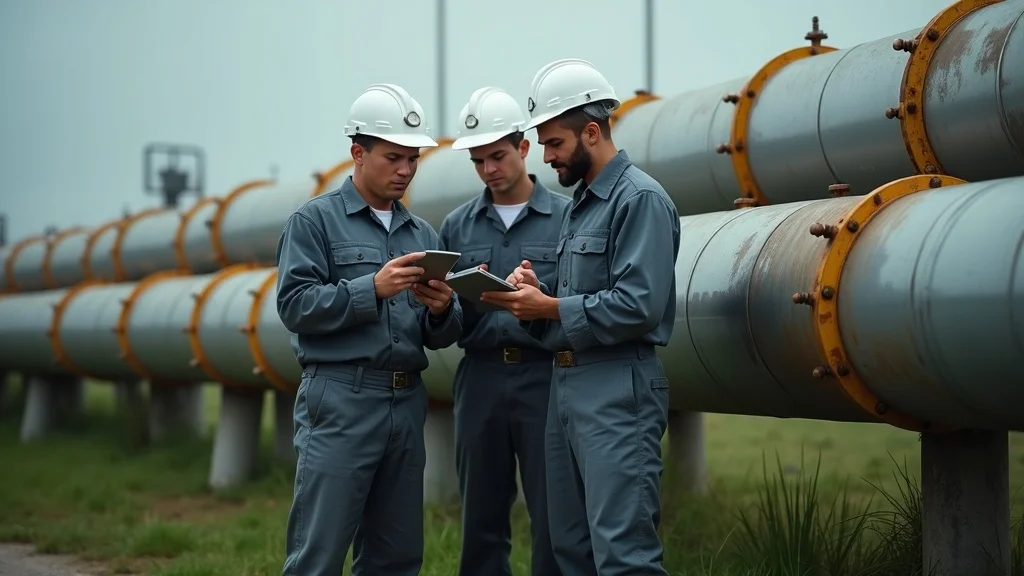
Proper protective coating application is critical to the success of any anti-corrosion regime. Every step, from preparation to final inspection, influences how well the coating bonds to the metal surface and performs under real-world conditions. Missing even one detail can open the door to hidden corrosive agents and potential costly failures.
Facilities that adopt rigorous preparation, skilled application, and systematic quality assurance not only sustain corrosion protection but also meet regulatory expectations, avoid warranty voids, and routinely outperform less diligent competitors in asset longevity.
Surface Preparation of Metal Surface and Asset Readiness
The foundation of high-performing corrosion coatings is meticulous surface preparation. Residue, old paint, dust, and rust must be meticulously removed via sandblasting, abrasive cleaning, or chemical stripping to create a clean, bondable profile on the metal surface. Skipping or minimizing this step leaves contaminants trapped beneath the coating, inviting premature adhesion failure and underfilm corrosion. For critical industrial applications like oil and gas, rigorous preparation is non-negotiable and directly impacts the effectiveness of the protection coating.
Asset readiness also includes addressing weld seams, repair patches, and pitted metal, ensuring a uniform substrate prior to paint. By prioritizing cleanliness and mechanical preparation, facility managers can guarantee reliable coating performance and meet required film thickness with minimal risk of voids or blisters.

Protective Coating Application Techniques to Enhance Corrosion Protection
Once the surface is ready, applying corrosion protection coatings with consistent technique is paramount. Whether using airless sprayers, brushes, or rollers, each layer should meet recommended film thickness for optimal performance. Multilayer systems—a combination of zinc-rich primer, epoxy intermediate, and polyurethane topcoat—are often specified in C5 or similarly aggressive industrial environments for best protection.
Monitoring ambient conditions—like temperature, humidity, and ventilation—ensures coatings cure correctly without trapping moisture or air. Trained, certified painters should follow manufacturer technical data sheets exactly, with each batch tested for viscosity, coverage, and adhesion. Failing to follow these best practices can compromise corrosion protection and risk costly callbacks or asset failures.
Inspection and Quality Assurance for Industrial Assets
Rigorous inspection protocols are the final checkpoint for successful anti-corrosion protection coating projects. Inspectors must verify coverage, continuity, and film thickness using digital or magnetic gauges. Visual checks are performed for blisters, pinholes, or incomplete coverage—as even tiny flaws can become points of water ingress and failure over time.
Documenting all steps—surface prep, application, curing, and inspection—assures regulatory and insurance compliance and provides traceability for warranty claims or future audits. Scheduled spot checks, especially in exposed or high-traffic environments, will alert stakeholders to early deterioration so repairs are handled before failures escalate, thereby controlling long-term maintenance costs.

FAQs about Anti-Corrosion Coatings in Industrial Painting
What is the standard for anti-corrosion coating?
The international standard most commonly referenced is ISO 12944, which outlines the requirements and best practices for surface preparation, application, and inspection of protective coatings on steel structures in industrial and marine environments. Following ISO 12944 ensures your anti-corrosion coatings provide long-term, reliable performance, especially in challenging C3, C4, or C5 classified environments.
What are the 4 types of coatings?
The four primary types of anti-corrosion coatings in industrial painting are: 1) Epoxy coatings, offering broad chemical resistance; 2) Polyurethane coatings, known for UV and abrasion protection; 3) Zinc-rich coatings, which provide sacrificial cathodic protection; and 4) Alkyd coatings, suitable for less severe environments with easy application and dependable basic protection.
What is the best coating for corrosion resistance?
The “best” coating depends on your application and environment. Epoxy and zinc-rich coatings are highly effective against chemical and atmospheric corrosion, making them preferred in harsh, critical, or submerged conditions. Polyurethane topcoats enhance weather and UV resistance for exposed assets. A multilayer system combining these offers the most comprehensive, long-term protection.
What is C5 according to ISO 12944?
C5 is the highest environmental category in ISO 12944, designated for industrial settings with extreme and persistent corrosive exposure (like offshore oil platforms, refineries, and chemical plants). Protective coatings for C5 must deliver proven, long-lasting barrier and cathodic properties for up to 15 years in these highly aggressive environments.
Key Takeaways: Ensuring Reliable Corrosion Protection in Industrial Settings
-
Early detection and action preserve industrial assets
-
Proper film thickness and application are non-negotiable for corrosion resistance
-
Selecting the right protective coating can drastically reduce maintenance costs in oil and gas or other demanding environments
Ready to Protect Your Industrial Assets? Get Started with aFree Quote?
Don’t leave the life and value of your industrial assets to chance. Get Started with a Free Quote or call (508) 799-9019 and shield your facility from corrosion—before expensive repairs and downtime strike.