Imagine this: It’s the middle of a busy workday, and suddenly the HVAC system gives out, or a security system fails, exposing your building to risk. What if the problem could have been prevented by something as simple as a facility maintenance checklist? For business owners, property managers, and facility managers, missing just one crucial preventative task can mean lost revenue, downtime, and avoidable stress. This guide unveils the practical tools, steps, and proven strategies to streamline your operations, avoid costly repairs, and ensure your entire facility runs safely and efficiently—every single day.
Why Every Facility Needs a Facility Maintenance Checklist
-
Observational Opening: Picture this — essential building systems malfunctioning during business hours because a simple facility maintenance checklist was overlooked.
-
The risks of neglecting preventive maintenance and facilities management.
-
Benefits for business owners, property managers, and facility managers in using a structured maintenance checklist.
Neglecting a well-structured facility maintenance checklist can pose severe risks to your building’s operation and reputation. Essential systems like electrical and HVAC can quickly fail when routine inspection or upkeep is missed. This not only interrupts business but also results in unexpected expenses that could have easily been avoided with preventive maintenance. As facility management grows more complex, the margin for error shrinks—small oversights can rapidly spiral into emergencies affecting tenants and staff alike.
Using a comprehensive facilities management checklist benefits everyone involved. Business owners get peace of mind, knowing the facility is running smoothly and safely. Property managers have fewer emergencies to address, letting them focus on long-term improvements. Facility managers and their maintenance teams can prioritize tasks more efficiently, track progress, and respond quickly to issues. Implementing a checklist helps everyone involved avoid costly repairs, ruined electrical systems, and prevent safety hazards related to fire safety or carbon monoxide leaks. Integrating an up-to-date maintenance checklist into your routine isn’t just a good idea—it’s an operational necessity.

What You’ll Learn from This Facility Maintenance Checklist Guide
-
The structure and components of a comprehensive facility maintenance checklist.
-
How a management checklist streamlines tasks and scheduling.
-
Key preventive maintenance activities for robust facilities management.
-
Common pitfalls and how to avoid costly repairs.
This guide will empower business owners, property managers, and maintenance professionals by walking through structured checklists, revealing how an actionable management checklist template not only organizes daily operations but also supports long-term facility reliability. By the end, you’ll know the critical routine inspections to schedule, the difference between preventive and reactive maintenance, and the best practices for avoiding expensive, preventable problems in your building. Let’s make sure no vital task slips through the cracks.
Understanding the Essentials: What Is a Facility Maintenance Checklist?
-
Defining a facility maintenance checklist in the context of facilities management.
-
How a facilities management checklist differs from generic management checklists.
-
Why a tailored checklist template is critical for various facility types.
At its core, a facility maintenance checklist is a systematic tool used in facilities management to ensure that routine inspection and preventive maintenance tasks are completed for all critical building systems. Unlike generic management checklists, a dedicated facilities management checklist focuses on the unique requirements of commercial, industrial, or multi-use spaces, taking into account the type of facility, local regulations, and the complexity of building systems.
Facility checklists are built to go beyond simple task lists. They should be custom-tailored using a checklist template that can be adapted to various property types, from office complexes to warehouses, ensuring everything from HVAC systems, lighting, and plumbing to security systems, parking lot upkeep, and fire extinguisher inspections is accounted for. With such customization, a maintenance checklist helps address the constantly changing needs of modern buildings and ensures that nothing essential is missed.
Core Components of an Effective Facility Maintenance Checklist
-
Routine inspections and inspection checklist importance.
-
Preventive maintenance and its place on every building maintenance checklist.
-
Role of parking lot and security system tasks in complete facilities management checklists.
-
Links to building maintenance, management checklist, and preventive maintenance checklist best practices.
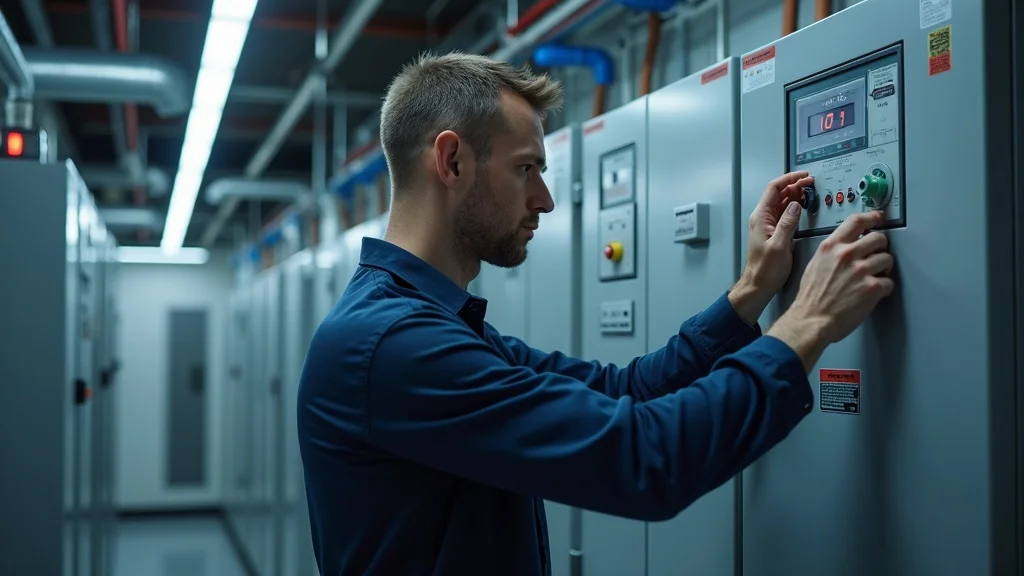
A reliable facility maintenance checklist is built around several key elements. The first is routine inspection — scheduling and logging regular checks on systems like HVAC, lighting, plumbing, and electrical systems. Every building maintenance checklist should prioritize these recurring activities to quickly spot potential problems before they escalate. Preventive maintenance is another central piece, encompassing tasks like filter replacements, lubrication, and seasonal system testing. Integrating these tasks into your checklist template prevents downtime and reduces reliance on costly reactive maintenance.
Another critical component involves often overlooked areas: parking lot and security system maintenance. Keeping the parking lot free of debris, checking line markings, lighting, and ensuring signage is visible are crucial for safety and compliance. An effective management checklist also includes checks for alarm systems, cameras, and doors to prevent security breaches. Best practices recommend linking your facilities management checklist to preventive maintenance checklist routines, keeping every critical system in top form and enhancing the longevity of your facility.
Facilities Management: Integrating the Facility Maintenance Checklist into Daily Operations
-
Embedding checklists into facilities management workflows.
-
Using management checklist templates for consistency and reporting.
-
Synchronizing building maintenance checklists, parking lot, and preventive maintenance tasks.
-
Digitizing your checklist: the future of facilities management checklist tools.
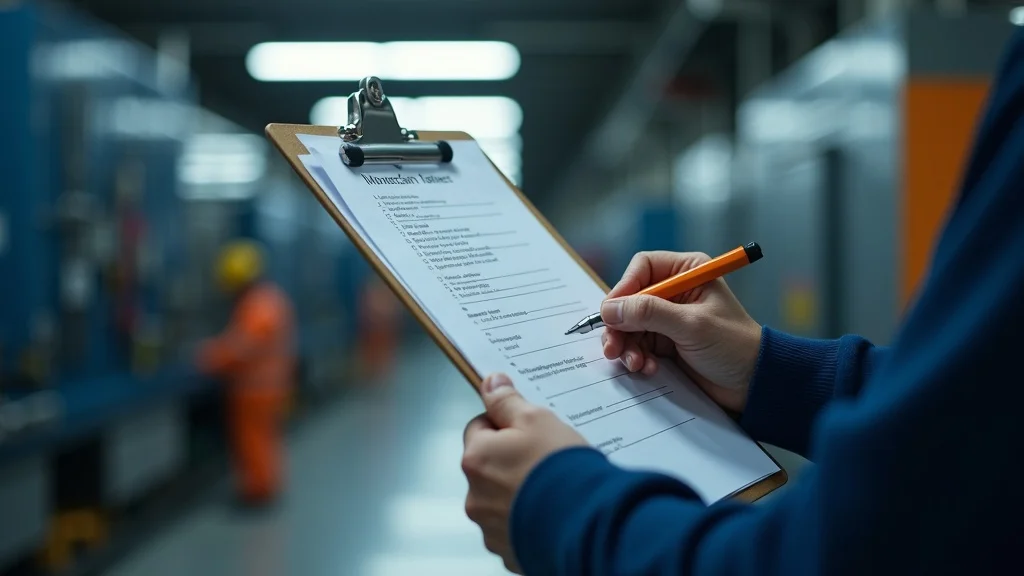
To be effective, your facility maintenance checklist must become a central part of your daily facilities management workflow. Embedding the checklist into operations means assigning clear responsibilities to your maintenance team, ensuring regular use, and continually updating your checklist template as building systems change or expand. With digital checklist tools, tracking tasks, logging inspection results, and generating comprehensive reports has never been easier.
Using a digital or cloud-based management checklist template not only improves consistency and accountability but also streamlines communication within the team. You can quickly synchronize tasks related to the building maintenance checklist, coordinate parking lot checks, and schedule preventive maintenance without missing any crucial details. Digital solutions provide reminders, track completion dates, and store maintenance history—which all help avoid costly repairs and non-compliance with safety inspections. By embracing this approach, facilities management teams ensure nothing falls through the cracks and compliance requirements are always met.
Step-by-Step Guide: Creating Your Custom Facility Maintenance Checklist
-
How to use a facility maintenance checklist template effectively.
-
Tailoring a facilities management checklist to specific property types.
-
Ensuring your building maintenance checklist covers all critical systems.
-
Integrating inspection checklists, preventive maintenance, parking lots, and security system reviews.
Building your own facility maintenance checklist starts with a thorough assessment of your property’s needs. First, use a standard checklist template as your foundation. List core building systems—HVAC, lighting, fire safety, plumbing, security, and parking lots. Next, tailor the list to your specific facility type, considering local regulations, equipment age, and the number of occupants. For each area, outline concrete tasks: for example, schedule HVAC filter changes, inspect lighting, test fire extinguishers, and review security system logs.
Be sure to include both routine and seasonal tasks, such as plumbing checks before winter, and regular reviews of security and exterior spaces. Integrate inspection checklists for high-risk areas and specify responsible parties. This makes it easier to maintain accountability and consistency. Finally, compile your building maintenance checklist into a digital facility management platform or a shareable document to support collaboration across your maintenance team. Updating the checklist annually to ensure it reflects new regulations, technology, or equipment is also essential.

Table: Example Facility Maintenance Checklist Template
| Area | Task | Frequency | Responsible Party | Notes |
|---|---|---|---|---|
| HVAC System | Change filters, inspect condensate drain | Monthly | Maintenance Team | Check for unusual noises/leaks |
| Lighting | Test and replace bulbs, check emergency lighting | Quarterly | Electrician | Include stairwells & exits |
| Plumbing | Check for leaks, test water flow, inspect restrooms | Monthly | Facility Manager | Flush infrequently used fixtures |
| Fire Safety | Inspect fire extinguishers, test alarms | Monthly/Annually | Fire Safety Inspector | Replace expired units |
| Parking Lot | Inspect lighting, clean surface, check line markings | Monthly/After storms | Maintenance Team | Repaint lines annually |
| Security System | Test cameras, verify alarms, inspect access control | Monthly | Security Specialist | Log all tests and repairs |
| Exterior Grounds | Landscaping, walkway cleaning, entrance inspections | Bi-Weekly | Ground Crew | Trim shrubs away from entrances |
Key Areas to Cover: Facility Maintenance Checklist by Space
-
Office and public areas: cleaning, HVAC, lighting (from building maintenance checklist competitor data).
-
Restrooms: supply replenishment, plumbing inspections.
-
Parking lot: surface, lighting, line markings, and security checks.
-
Exterior and landscaping: entrances, walkways, and green spaces.
-
Security system: alarm, cameras, and access control on every management checklist.
Each part of your facility needs its own focus in your facilities management checklist. Public and office spaces should receive regular cleaning, HVAC filter changes, and lighting checks, all logged in your building maintenance checklist. Restrooms require more frequent attention—plumbing inspection, supply restocking, and thorough cleaning, which reduces the risk of plumbing issues and occupant complaints. Overlooking even a single restroom can result in costly repairs or hygiene issues.
Outdoor spaces like the parking lot and building exterior must be maintained for both appearance and safety. Regular cleaning, inspecting lighting, fixing line markings, and checking for damage or debris all play key roles. For green spaces, walkway cleaning, landscaping, and clear entrances support accessibility and a welcoming environment. Don’t forget the security system: testing alarms, camera recordings, and access controls ensures compliance with legal regulations and provides peace of mind for all facility users.

Preventive Maintenance: Building a Strong Foundation with Your Facility Maintenance Checklist
-
Incorporate preventive maintenance checklist routines.
-
Linking prevention to reduced costs and downtime.
-
How preventive maintenance strengthens facilities management checklist strategies.
Integrating a preventive maintenance checklist into your routine forms the backbone of long-term facilities management. Preventive tasks—like lubricating moving parts, replacing HVAC filters, or testing fire extinguishers—are designed to intercept minor issues before they become crises. Unlike reactive maintenance, which only addresses problems after failures occur, preventive strategies support continuous building maintenance and minimize expensive, disruptive repairs.
A comprehensive management checklist should specify these preventive actions for each key system and space. Scheduling tasks seasonally (like winterizing pipes or checking carbon monoxide detectors) and by risk helps you prioritize what matters most. Many industry experts highlight that a robust preventive maintenance checklist not only reduces annual repair costs but also extends asset life, improves safety, and ensures your property remains in compliance with ever-evolving regulations. The result: fewer emergencies, less downtime, and a team that’s always one step ahead.
Parking Lot and Exterior Upkeep for Facility Maintenance
-
Regular maintenance checklist activities for parking lots.
-
Importance of exterior cleaning, inspection checklist for lighting, signage, and surface conditions.
The parking lot is often the very first impression for anyone visiting your facility. Including it in your facility maintenance checklist is not just about cleanliness, but about safety and accessibility. Regularly scheduled maintenance activities should cover sweeping debris, patching potholes, repainting line markings, and inspecting lighting and signage. Ensuring surfaces remain free of hazards minimizes liability and avoids costly lawsuits or slip-and-fall incidents.
Don’t overlook the need for an inspection checklist that covers exterior building features, walkways, and entrances. A clean, well-lit exterior not only enhances your property’s curb appeal but also deters vandalism and theft. Maintenance teams should inspect for damaged signage, blocked access routes, and overgrown landscaping, all of which can impede safety and compliance. Consistent attention to these details is central to any effective building and facilities management plan.

Security and Safety Systems: Inspection Checklist for Facility Maintenance
-
Tasks for alarm and security system maintenance.
-
Legal and regulatory requirements on security found in management checklist competitor data.
Security and safety systems must never be an afterthought in your facilities management checklist. Regularly scheduled inspection and testing of alarms, security cameras, and access controls are critical for deterring unauthorized entry and ensuring quick response in emergencies. These tasks should be detailed in your management checklist—monthly inspections, battery replacements, software updates, and data backup for camera systems are just a few essential items.
Legal and regulatory requirements often dictate minimum security standards. Stay current with local codes covering fire safety equipment, emergency lighting, and access control measures. Recording every test and maintenance action in your digital checklist template helps demonstrate compliance and ensures that no test or necessary repair is missed. Remember, maintaining your security system isn’t just about avoiding fines—it’s about protecting people and assets in your facility.
-
Overview walk-through using a sample facilities management checklist template.
-
Step-by-step demonstration with actionable tips for facility managers.
A narrated walkthrough video illustrates how a facility manager uses a digital checklist: reviewing the checklist, inspecting building systems, logging issues, assigning tasks, and confirming completion across different facility areas.
Avoiding Costly Mistakes: Common Pitfalls When Using a Facility Maintenance Checklist
-
Failing to update your checklist template with new systems or regulations.
-
Overlooking preventive maintenance and building maintenance checklist routines.
-
Lack of accountability: the importance of specifying responsible parties.
Even the best facility maintenance checklist can fail if you overlook the basics. One major pitfall is not updating your checklist template as you add new equipment, expand building systems, or as local codes evolve. Stale checklists mean critical new systems—like updated fire safety or advanced HVAC controls—may go uninspected, creating gaps in your facilities management plan.
Skipping preventive maintenance or routine inspection is another costly mistake. It may feel like a shortcut in the short term but often leads to expensive repairs or non-compliance fines. Finally, checklists should always specify a responsible party for each task. Without clear ownership, maintenance tasks can get overlooked, and issues can go unreported until they become emergencies. A strong management checklist is only effective when linked to accountability and periodically reviewed for relevance.
“A proactive facility maintenance checklist is your best insurance policy — it helps avoid costly repairs by catching issues early.” — Industry Expert
People Also Ask: Key Questions About Facility Maintenance Checklists
What are the 7 elements of maintenance?
The seven key elements of maintenance typically included in a comprehensive facility maintenance checklist are: (1) Inspection, (2) Detection, (3) Correction, (4) Prevention, (5) Standardization, (6) Training, and (7) Documentation. Each element supports a robust building maintenance program. Inspection and detection catch issues early, while correction addresses defects quickly. Prevention is covered through regular scheduled tasks; standardization ensures processes are repeatable, and training keeps your maintenance team capable and informed. Finally, documentation through your management checklist enables tracking for compliance and continuous improvement.
What does facility maintenance include?
Facility maintenance covers a wide range of tasks essential for keeping a property safe, functional, and compliant. This includes routine inspection and maintenance of HVAC systems, lighting, plumbing, restrooms, and common areas. Other critical activities are fire safety equipment checks, preventive maintenance on key building systems, and security system reviews. The maintenance team may also address electrical systems, carbon monoxide detectors, and exterior areas such as parking lots, landscaping, and walkways. Well-structured facility maintenance checklist processes make sure every space and system is carefully managed throughout the year.
What is the 10 rule in maintenance?
The “10 rule” in maintenance suggests that a small investment in preventive tasks saves you from much larger repair costs down the road. In practice, spending one dollar on preventive maintenance preserves ten dollars that would be needed for emergency fixes or replacements. Integrating this concept into your facility maintenance checklist means consistently scheduling and tracking small, routine maintenance chores—like inspections, lubrication, or filter replacements—before they become expensive problems. By following the 10 rule, you can avoid costly repairs and safeguard your building’s operational budget.
What are the 4 P’s of maintenance?
The four P’s of maintenance are (1) People, (2) Processes, (3) Parts, and (4) Performance. ‘People’ refers to a trained and accountable maintenance team, while ‘Processes’ highlight the importance of a repeatable, systematic management checklist. ‘Parts’ cover inventory management and timely replacements for wear-prone items; ‘Performance’ gauges success through completed tasks, downtime reduction, and the overall effectiveness of your facilities management checklist strategy. Balancing all four ensures strong facility performance and regulatory compliance.
Expert Tips: Maximizing the Impact of Your Facility Maintenance Checklist
-
Prioritizing tasks by risk and seasonality.
-
Utilizing a digital checklist template for better tracking and reporting.
-
Engaging your facility management team through training and regular reviews.
Mastering your facility maintenance checklist means more than simply checking off boxes. Prioritize tasks by risk: address fire safety, security system, and electrical systems with higher frequency, and adjust seasonally for weather-related risks. Adopting a digital management checklist template provides real-time sharing, built-in reminders, and automated reporting, delivering greater transparency.
Investing in regular training and periodic review sessions with your maintenance team and property management staff empowers everyone to stay aligned and proactive. Use feedback from these sessions to continuously refine your checklist, ensuring new standards, building systems, and compliance requirements are met. By making your facilities management checklist a living document—not a static one—you protect your assets, avoid costly repairs, and deliver peace of mind to everyone who relies on your facility.
FAQs about Facility Maintenance Checklists
-
Difference between facility maintenance checklist and building maintenance checklist.
-
How often should a facilities management checklist be updated?
-
Can a facility maintenance checklist help avoid costly repairs?
-
Which areas are most commonly missed in a management checklist?
Q: What is the difference between a facility maintenance checklist and a building maintenance checklist? A: A facility maintenance checklist spans all systems, spaces, and operational practices, including people, processes, and regulatory compliance; a building maintenance checklist typically focuses only on the physical structure’s upkeep.
Q: How often should a facilities management checklist be updated? A: Checklists should be reviewed at least annually to ensure they reflect new equipment, renovations, expanding spaces, and regulatory changes.
Q: Can a facility maintenance checklist help avoid costly repairs? A: Yes! A proactive and comprehensive checklist helps catch issues early, drastically reducing the risk and cost of emergency repairs.
Q: Which areas are most commonly missed in a management checklist? A: Often overlooked spaces include roof access points, emergency exits, exterior signage, and low-traffic restrooms. Digital checklists make it easier to track and cover all areas.
Summary of Facility Maintenance Checklist Essentials
-
Recap of the most important takeaways from your checklist, emphasizing preventive maintenance and proactive facilities management.
A facility maintenance checklist is your strongest defense against avoidable downtime and costly repairs. By prioritizing preventive maintenance, customizing your management checklist for your specific facility, regularly training your maintenance team, and using digital tools, you guarantee nothing crucial is missed. Make proactive facilities management your new standard.
Get Started with a Free Quote — Secure Your Facility Maintenance Checklist Today
Secure peace of mind for your building and your business. Get started with a custom facility maintenance checklist today: Contact us online or call (508) 799-9019 to schedule your consultation.