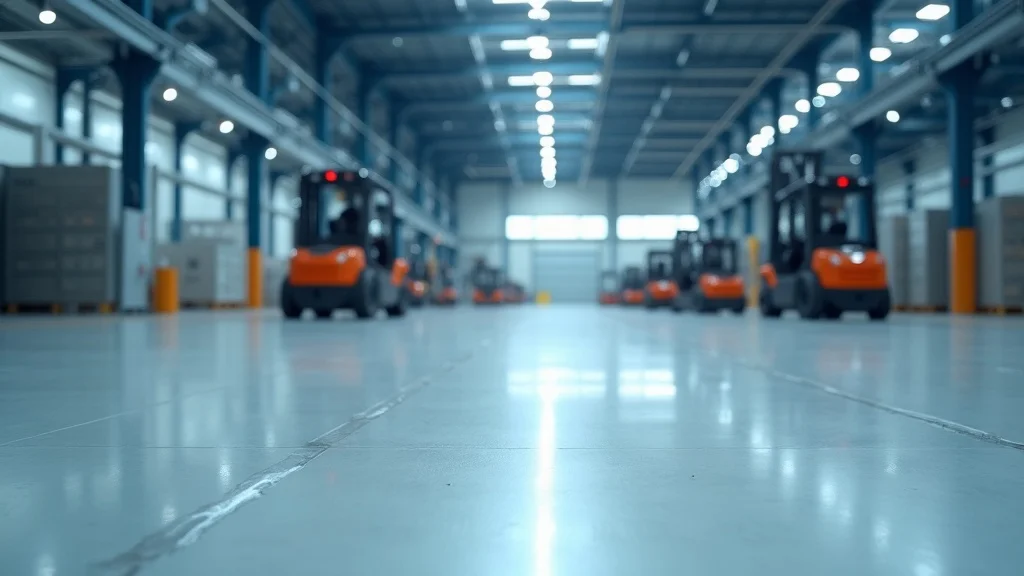
Picture a bustling warehouse or manufacturing plant where heavy forklifts zip by, workers handle sensitive equipment, and each surface is put to the test daily. In the world of industrial flooring, performance isn’t just a luxury—it’s a necessity. Polyurethane flooring industrial use continues to stand out as the flooring solution engineered for such demanding, high-traffic environments. In this comprehensive guide, we break down what makes polyurethane flooring the choice for modern industrial facilities, how it compares to other systems, and the practical steps to ensure its long-lasting performance.
Understanding Polyurethane Flooring Industrial Use for High-Traffic Spaces
Industrial environments require flooring systems that can handle intense daily wear, frequent foot traffic, heavy machinery, and exposure to chemicals. Polyurethane flooring industrial use meets these needs by providing a seamless, highly resilient surface that resists abrasion, chemicals, and thermal shock. Unlike traditional concrete floor finishes, polyurethane floor coatings offer both strength and flexibility, making them ideal for areas where conditions change rapidly or where frequent equipment movement occurs.
What sets this flooring solution apart is its unique composition. Polyurethane flooring uses advanced resin technology, which allows it to outperform many standard systems in terms of both longevity and performance. Facility and property managers can rely on these floor coatings to minimize downtime due to repairs, reduce maintenance frequency, and create a safer, more productive workspace. For large-scale operations with continuous traffic, the ability to withstand constant motion without compromising integrity is one of the major advantages that makes polyurethane flooring industrial use the perfect solution.
Polyurethane Flooring Versus Urethane Floor: Clarifying the Differences
The terms polyurethane flooring and urethane floor are often used interchangeably, but understanding their nuances can help in specifying and selecting the optimal flooring system for industrial use. Polyurethane is a type of urethane; both refer to synthetic, high-performance resin systems. However, polyurethane flooring typically points to thicker, multi-layered floor coatings that are designed for industrial settings requiring heavy-duty performance. Urethane, on the other hand, may describe both the top coating layer or the general class of resin, including products used both as finishes and as complete flooring solutions.
Recognizing these subtle distinctions enables facility managers to ensure the correct product is chosen for applications ranging from manufacturing lines to distribution centers. Polyurethane floor coatings not only protect against everyday wear but also enhance the longevity of concrete floor substrates, supporting the integrity of the entire flooring system. Whether seeking abrasion resistance or looking for a waterproofing layer, the right terminology leads to solutions that truly fit your facility’s demands.
How Polyurethane Flooring Supports Modern Flooring Systems
Modern industrial operations are evolving, pushing the limits of what a flooring system must endure. Polyurethane flooring is at the forefront of these advancements because of its ability to integrate seamlessly with other flooring solutions and meet a wide range of operational requirements. It serves as a durable baseline for multipurpose areas, heavy machinery pathways, and processing zones where ongoing exposure to traffic and spills is the norm.
Polyurethane floor coatings have become an essential part of robust flooring systems in industries such as automotive, food processing, pharmaceutical manufacturing, and logistics. Not only does it provide chemical resistance and abrasion resistance, but its flexibility also helps absorb impact and tolerate subfloor movement, reducing the risk of surface cracks. The result? Consistent, long-lasting performance even in facilities under constant use.
Why Polyurethane Floor Coating Excels in Industrial Environments
The performance of a floor coating is decisive in environments where downtime can cost thousands and safety is paramount. Polyurethane floor coatings excel because they resist not only physical impacts and chemical spills, but also withstand thermal shock—which occurs when surfaces are suddenly exposed to extreme temperature changes, such as during steam cleaning or industrial washing.
Their unique formulation makes polyurethane floor coatings more flexible than epoxy floors, allowing them to move with the substrate and resist cracking, even in areas with heavy vehicle movement or shifting loads. Because of these adaptive qualities, they are increasingly favored in industrial settings requiring resilience and minimal maintenance. Facility managers can trust their investment in a polyurethane floor will yield a stable and reliable work surface for years to come.
What You’ll Learn About Polyurethane Flooring Industrial Use
- The unique properties and advantages of polyurethane flooring for industrial use
- How polyurethane floor and floor coatings withstand high traffic and harsh conditions
- Key comparisons between polyurethane flooring industrial use and other flooring systems
- Applications of urethane flooring, and why it is favored in industrial settings
Benefits of Polyurethane Flooring Industrial Use for Durable Flooring Solutions
Polyurethane flooring has become synonymous with durable flooring solutions for several good reasons. Its adaptability allows it to perform in diverse environments, supporting everything from constant foot traffic to the persistent vibrations and motion from warehouse forklifts or manufacturing equipment. As a flooring solution, it delivers exceptional performance for properties seeking extended service life and minimal intervention between installation and renovation.
Beyond physical durability, polyurethane floor systems resist stains and are easy to clean, supporting high sanitation standards in both industrial and commercial spaces. This combo of low maintenance and long-term reliability turns polyurethane flooring industrial use into a cost-effective investment, offering operational peace of mind for facility managers and owners alike.
Superior Abrasion Resistance with Urethane Floor Coatings
In high-traffic areas, abrasion is a leading cause of early floor deterioration. Urethane floor coatings deliver industry-leading abrasion resistance, guarding against the constant movement of pallets, machinery, and equipment across the floor. Unlike floors that quickly succumb to scratches, tire marks, and surface wear, a well-applied urethane coating maintains a smooth, glossy appearance even after years of use.
This superior surface integrity is further enhanced by chemical resistance, which means that spills from oils, solvents, and industrial chemicals won’t erode the floor surface or cause discoloration. Businesses that need a lasting floor will find urethane floors not only reliable but also cost-efficient, as the need for frequent repairs and recoats is substantially reduced.
Chemical, Impact, and Thermal Shock Resistance in Polyurethane Floors
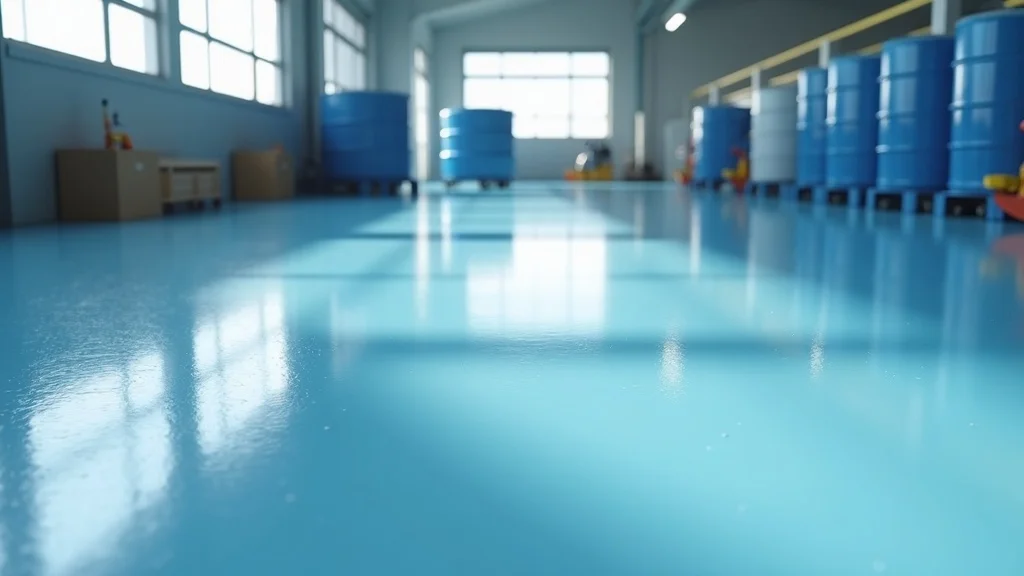
Industrial environments aren’t just physically tough—they’re chemically challenging as well. Polyurethane floor systems rise to this challenge through unmatched resistance to a wide range of chemicals including acids, alkalis, oils, and solvents. The natural elasticity of polyurethane means that under intense machinery impact, or even when heavy loads drop unexpectedly, the material absorbs and distributes force instead of fracturing.
Another crucial advantage is in handling thermal shock. Whether the floor is exposed to hot wash-downs, boiler room conditions, or freezer-to-ambient transitions, polyurethane flooring industrial use can withstand dramatic temperature swings without warping, delaminating, or losing adhesion—performance where many traditional flooring systems fall short.
Long-Term Longevity: Why Polyurethane Flooring Outlasts Other Flooring Systems
Longevity is where polyurethane truly shines among industrial flooring solutions. Unlike many coatings which degrade under UV rays or moisture exposure, properly applied polyurethane offers years of service with minimal performance drop-off. Maintenance routines for polyurethane floor coatings are straightforward and cost-effective, making them attractive for operations seeking predictable, low-overhead upkeep.
In fact, the lasting value comes from a combination of factors: abrasion resistance, strong chemical resistance, and the ability to maintain integrity under thermal, mechanical, and environmental stress. For many business owners, choosing polyurethane isn’t just a flooring choice—it’s a smart long-term operational decision that optimizes both function and cost.
“Polyurethane floor coatings excel in industrial environments due to their resilience and cost-effectiveness.” — Industry Flooring Specialist
Comparing Polyurethane Flooring to Epoxy Flooring and Other Flooring Systems
When it’s time to invest in a new flooring system, many facility managers find themselves weighing polyurethane against epoxy flooring and other options. Each technology has its merits, but for high-traffic industrial settings, some differences are critical. Epoxy floors are valued for their hardness and aesthetic options, but may become brittle over time and struggle with thermal shock. Polyurethane floor and urethane floor coating systems, on the other hand, are inherently more flexible, offering superior resistance to cracking, chipping, and long-term surface wear.
Exploring these distinctions helps facilities select the right flooring solution for their operational challenges, maximizing safety, lifespan, and budget efficiency.
Polyurethane Floor vs. Epoxy Floor Coating: Which Is Right for Industrial Use?
The choice between polyurethane floor coatings and epoxy floor coatings is not always straightforward. Epoxy floor coatings generally offer impressive compressive strength, making them suitable for areas needing a hard, solid finish. However, they may be sensitive to moisture and commonly lack flexibility, causing problems in facilities that experience thermal expansion or shifts in the substrate. Polyurethane, by contrast, delivers flexibility, resilience to UV rays, and a resistance profile that fits both chemical exposure and heavy, ongoing traffic—making it a leading option for polyurethane flooring industrial use.
Consider the nature of your industrial space before making a choice. If your operation requires regular steam cleaning, deals with aggressive chemicals, or demands rapid return-to-service times, polyurethane is very likely your best bet.
| Feature | Polyurethane Flooring | Epoxy Flooring | Urethane Floor Coating |
|---|---|---|---|
| Abrasion Resistance | Excellent for high-traffic areas | Good, but can wear down faster | High, especially as a topcoat |
| Chemical Resistance | Superior—handles wide range of chemicals | Strong, but less flexible to harsh chemicals | Strong protection from spills |
| Thermal Shock Resistance | Handles rapid temp changes excellently | May crack under thermal shock | Good when formulated for thermal impact |
| UV and Moisture Tolerance | High—resistant to yellowing & moisture | Lower—may yellow or delaminate | High, especially with urethane top |
| Flexibility | Flexible, resists cracking | Brittle, susceptible to cracks | Flexible as a finishing coat |
| Best Use | Heavy industry, food, chemical, warehousing | Commercial & decorative spaces | Ideal for upgrading or protecting floors |
Case Study: Floor Coatings in Demanding Industrial Spaces
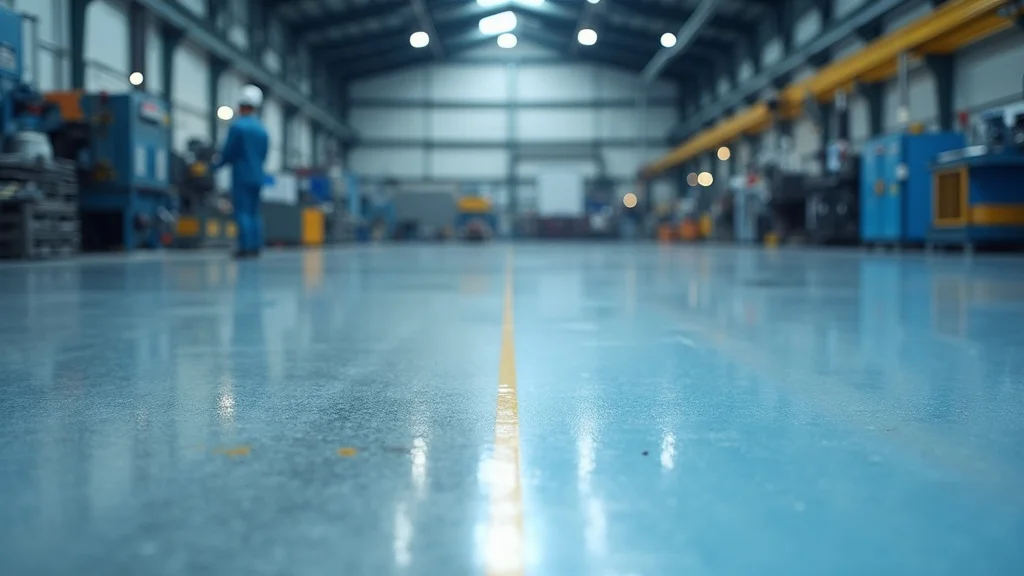
A leading logistics company recently upgraded its concrete floor in a 100,000-square-foot warehouse to a new polyurethane flooring system after experiencing frequent repairs and slipping issues with its previous epoxy floor. The urethane floor coating was selected for its chemical, abrasion, and thermal shock resistance. After one year in service, the company reported nearly zero downtime for repairs, improved worker safety, and quicker cleaning times thanks to the surface’s easy to clean finish.
The transition underscored the importance of matching floor coatings to operational realities. Where food-grade sanitation and forklift movement occurred day and night, the polyurethane floor delivered a seamless performance—minimizing maintenance and boosting overall facility efficiency.
Key Features of Polyurethane Flooring Industrial Use
- Seamless flooring solutions
- Slip resistance for safety in commercial spaces
- Low maintenance requirements
- Supports heavy machinery and vehicle movement in industrial settings
Each feature is designed to elevate both the safety and efficiency of operations within industrial and commercial spaces. By offering robust slip resistance, seamless design to prevent bacterial build-up, and support for heavy-duty vehicle movement, polyurethane flooring delivers comprehensive safety and functionality.
Where Polyurethane Flooring Industrial Use Shines: Common Applications
The adaptability of polyurethane means it thrives in diverse settings. Its proven resilience makes it equally suitable for warehouse and distribution facilities, manufacturing plants, and even high-traffic corridors in commercial spaces.
Warehouse and Distribution Facilities
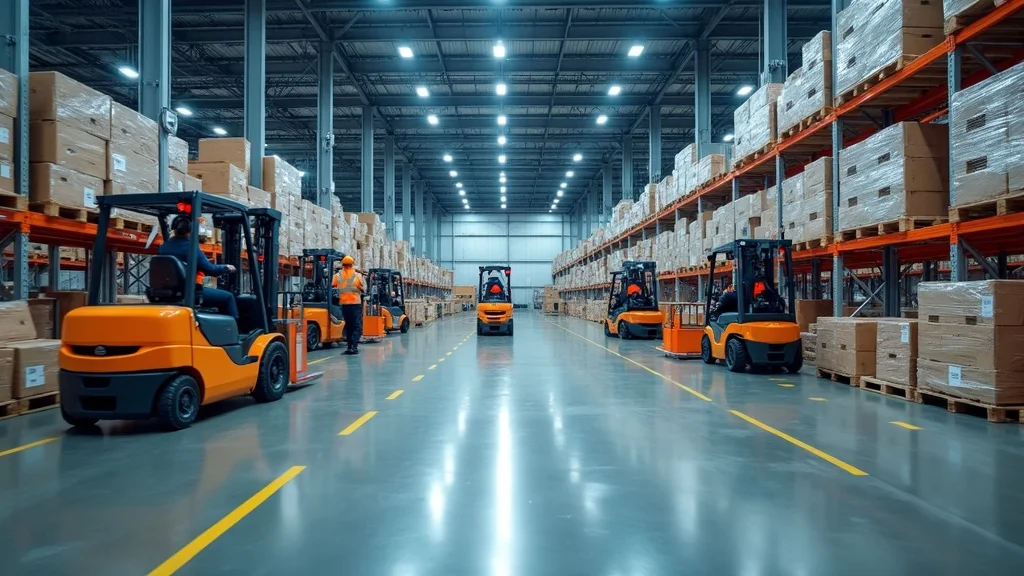
In busy warehouses, the need for durable floors is critical. Polyurethane flooring withstands non-stop foot traffic, constant forklift operation, and occasionally harsh cleaning protocols. Its slip-resistant, seamless construction elevates workplace safety, while its low maintenance needs keep busy operations flowing without unnecessary interruptions. Warehouses benefit by reducing accident risk and equipment wear, ultimately enhancing productivity.
Manufacturing Plants and Processing Areas
Polyurethane floors are ideal for manufacturing and food processing plants where chemical spills, temperature swings, and physical impacts often occur. Their chemical and thermal shock resistance, plus the seamless design, helps maintain sanitary operations and meet stringent regulatory standards. Facility managers in these sectors particularly value how urethane floor coatings stand up against cleaning regimens involving aggressive solvents or hot water, something many flooring systems cannot tolerate long term.
This reliability translates into cost savings and safer work environments, vital for operations relying on uptime and continuous processing.
Commercial Spaces and Heavy-Traffic Corridors
The benefits of polyurethane extend to commercial spaces and public corridors where presentation and durability are both essential. Its easy to clean nature supports hygiene, while a range of finish options allows property managers to achieve both functional and aesthetic goals. Withstanding the pressures of rolling carts, repeated footfalls, and exposure to aggressive cleaning chemicals, polyurethane is the ideal flooring solution for busy public access areas.
Watch: Video demonstration: Polyurethane Flooring Installation in an Industrial Plant
Installation Process for Polyurethane Flooring Industrial Use
Successful polyurethane flooring industrial use starts with expert installation. The process is engineered to maximize floor integrity and performance, from substrate preparation to topcoat curing.
Step-by-Step Overview of Polyurethane Floor Installation
Proper installation is crucial to ensure your new polyurethane flooring system functions as intended and delivers decades of reliable use. Here’s what to expect from a standard installation procedure:
- Preparation of concrete floor substrate
- Application of urethane floor coatings
- Curing process and use of urethane top coatings
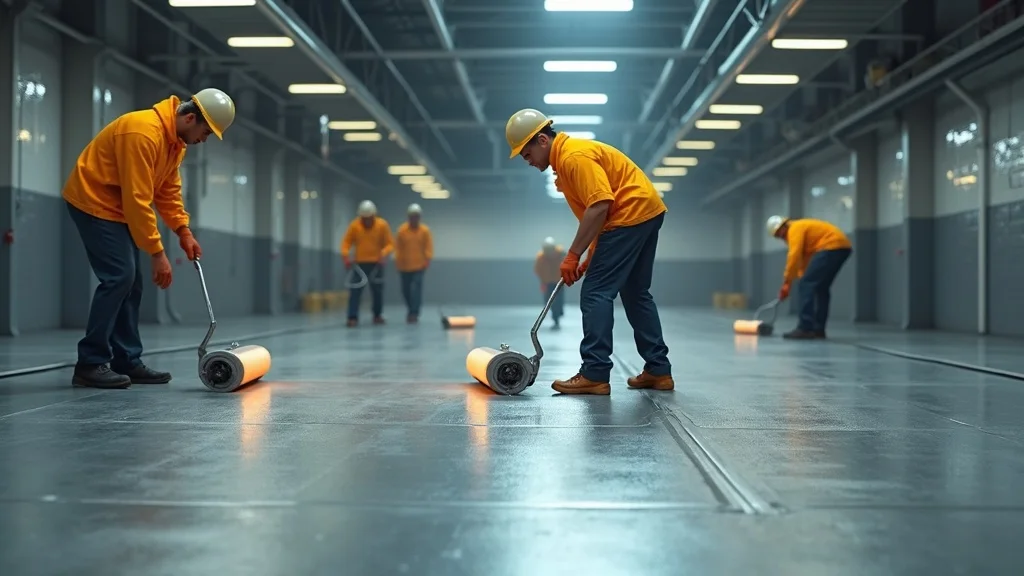
First, the existing concrete surface must be cleaned, leveled, and, if necessary, repaired to create the right conditions for adhesion. Specialized equipment is used to prepare the substrate, ensuring the floor coating bonds seamlessly. Next comes the application of the urethane floor coating, often in multiple layers—a primer, a body coat, and a urethane top—each designed to enhance durability and resistance to environmental challenges. Finally, a controlled curing process stabilizes the floor and locks in the performance characteristics unique to polyurethane systems.
“Proper installation is critical for maximizing the performance of your polyurethane flooring system.” — Certified Flooring Installer
Watch: Video guide: Best Practices for Installing Polyurethane Floor Coatings
Maintaining Polyurethane Flooring Industrial Use
Effective maintenance preserves the resilience and appearance of polyurethane flooring. The design of these flooring systems makes them relatively low-maintenance, especially compared to traditional alternatives. However, certain cleaning and upkeep routines can significantly prolong their lifespan and performance in industrial use.
Best Cleaning Practices for Urethane Flooring Systems
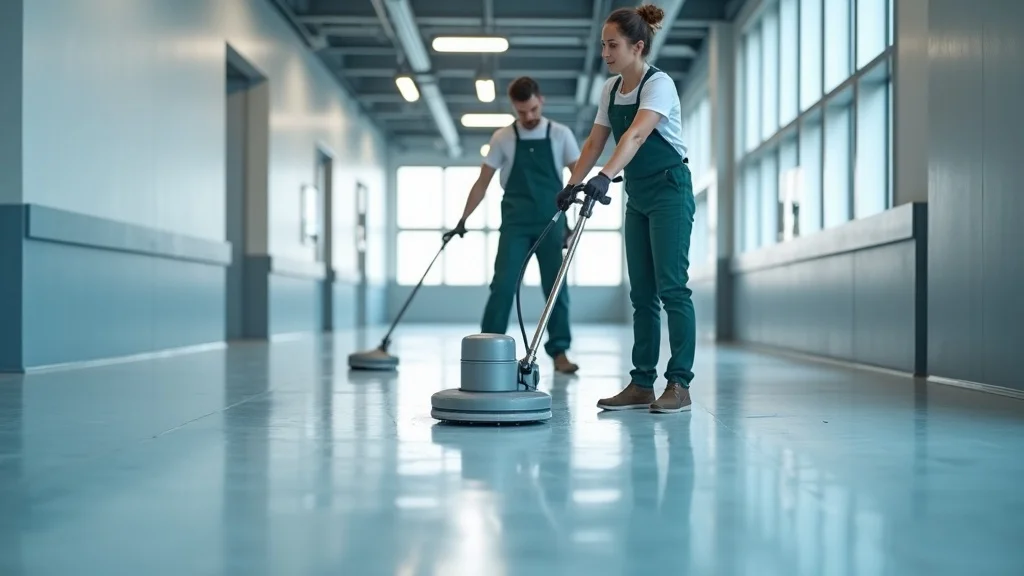
Cleaning polyurethane and urethane floors is straightforward. Start with regular sweeping or vacuuming to remove abrasive particles. Periodic mopping with a neutral-pH cleaner eliminates residues and keeps the surface easy to clean. Avoid harsh chemicals or abrasive pads, which could dull finish or damage the waterproofing layer. Automated scrubbers can also be used for larger facilities, further reducing manual labor demands.
These cleaning routines help maintain slip resistance and aesthetics—both essential for busy industrial and commercial spaces. Because the system is non-porous, spills remain on the surface, making containment and cleanup fast and effective.
Simple Maintenance Tips for Long-Lasting Floor Coating Performance
To prolong the performance of your floor coatings, it’s important to institute a few routine habits. Immediately address any large spills and repair small scratches or chips before they develop into significant problems. Place protective mats or pads in areas of concentrated equipment movement to shield the surface. Regularly inspect corners and transitions near machinery for wear and touch up with urethane coatings as needed. These steps help prevent damage, extend the lifespan, and ensure the ongoing effectiveness of your polyurethane flooring system.
By preventing the build-up of dirt and debris, and staying ahead of maintenance, urethane flooring remains a cost-effective option for high-traffic and demanding environments.
How Regular Inspection Extends the Life Span of Polyurethane Floor Coatings
Annual or biannual floor inspections are recommended for facilities using polyurethane flooring. These reviews should check for wear in high-traffic lanes, signs of chemical attack, thermal shock effects, or the beginnings of delamination near joints and cracks. Inspections also identify areas where resealing or top coating may restore peak abrasion resistance. Investing in proactive floor care both preserves your investment and supports workplace safety by catching small issues before they lead to larger repairs.
Consistent attention not only maximizes the service life of your flooring system but also reinforces the reliability of your entire operation—an invaluable asset for industrial facilities that prize uptime.
Addressing Common Concerns and Disadvantages of Polyurethane Flooring Industrial Use
While polyurethane flooring systems offer many advantages, there are a few considerations and potential drawbacks that property and facility managers should be aware of to make fully informed decisions.
Limitations of Polyurethane Flooring Systems
Polyurethane flooring industrial use is not completely without limits. One key limitation is that the surface finish, while durable, can sometimes be vulnerable to extreme point impacts from sharp, heavy objects. In rare cases, newer installations may demonstrate sensitivity to moisture if the concrete substrate wasn’t thoroughly dried or prepared. Over-application, incorrect curing, or poor substrate bonding can increase the risk of delamination or premature surface failures.
As with all high-performance flooring systems, the quality of installation—and the expertise of the installer—plays a significant role in ensuring intended longevity and performance.
Potential Issues with Urethane Floor Coating Application
Proper application is necessary for achieving full strength and chemical resistance. Polyurethane coatings are sensitive to environmental factors during application, especially temperature and humidity. If these are not adequately controlled, problems such as bubbling, curing delays, or inconsistent finishes may occur. It’s very important to have skilled professionals managing the installation to avoid issues related to sensitive to moisture concrete, suboptimal environmental conditions, or improper mixing of components.
Adhering to the manufacturer’s guidelines and industry best practices minimizes these risks, ensuring a lasting floor solution.
People Also Ask: Polyurethane Flooring Industrial Use
What is commercial grade polyurethane?
Commercial grade polyurethane is a specialized resin formulated to withstand the heavy demands of industrial traffic, repeated cleaning, and exposure to harsh chemicals and UV rays. It offers enhanced abrasion and chemical resistance compared to standard consumer-grade polyurethane, making it ideal for flooring systems in commercial and industrial settings that face constant use.
Which flooring is used for industrial use?
Several flooring solutions are common in industrial settings, such as polyurethane flooring, epoxy flooring, and specialist urethane floor coatings. Among these, polyurethane flooring industrial use is widely adopted for its superior durability, chemical and thermal shock resistance, and ability to handle both heavy machinery and intense foot traffic without significant wear.
What is 20 times stronger than epoxy?
In the context of floor coatings, certain advanced polyurethane formulations have been cited as significantly outperforming standard epoxy systems in terms of flexibility, longevity, and resistance to mechanical shock and chemicals. These high-strength polyurethane coatings can deliver a level of resilience that far exceeds traditional epoxy, especially under extreme industrial conditions.
What are the disadvantages of PU flooring?
While polyurethane (PU) flooring delivers many benefits, its potential disadvantages include sensitivity during installation to surface moisture and temperature. If not applied correctly, issues such as bubbling, poor adherence, or incomplete curing can arise. Additionally, severe, sharp impacts or long-term exposure to certain harsh substances may cause localized damage, although this is rare in typical industrial use.
Answers to People Also Ask Questions
Answer: What is commercial grade polyurethane?
Commercial grade polyurethane is a tough, high-performance formulation used for floors in environments requiring exceptional durability and resistance to wear, chemicals, UV rays, and daily traffic—ideal for warehouses, production plants, and busy commercial spaces.
Answer: Which flooring is used for industrial use?
Polyurethane flooring, epoxy flooring, and urethane floor coating are the most common choices for industrial use. Polyurethane is often chosen due to its flexibility, chemical and abrasion resistance, and ability to support heavy-duty site traffic.
Answer: What is 20 times stronger than epoxy?
Specific polyurethane floor coatings are engineered to surpass epoxy systems in impact resilience and flexibility, sometimes described as 20 times stronger in high-performance industrial applications, particularly in handling repeated impacts and temperature changes.
Answer: What are the disadvantages of PU flooring?
The main disadvantages of PU flooring include sensitivity during installation (especially to moisture and temperature), and a rare risk of damage from very sharp, heavy objects. Correct preparation and professional installation minimize these issues.
Frequently Asked Questions About Polyurethane Flooring Industrial Use
How does a polyurethane flooring system handle heavy machinery?
Polyurethane flooring is designed to be flexible and impact-resistant, meaning it absorbs the stresses created by moving or stationary industrial equipment. Facilities with forklifts, pallet jacks, or heavy production lines will find that polyurethane handles repeated weight and motion without cracking or segmenting, supporting long-lasting, seamless performance.
Is a urethane top recommended for high-traffic commercial space?
Yes, a urethane topcoat is recommended for busy commercial spaces. It adds an extra layer of protection, increasing both abrasion resistance and overall longevity. This topcoat also reduces cleaning needs and keeps the floor looking new, making it an ideal final layer for both industrial and commercial facilities.
What maintenance does a polyurethane flooring solution require?
Maintenance is generally simple: regular sweeping, wet mopping with pH-neutral cleaners, and periodic inspection to spot areas of wear or damage. Promptly addressing spills and minor repairs helps maintain the floor’s appearance and structural integrity over time.
Key Takeaways: Why Polyurethane Flooring Industrial Use Is Essential for Your Facility
- Exceptional performance in demanding industrial environments
- Superior resistance to chemicals, abrasion, and thermal shock
- Long lifespan with minimal maintenance
- Versatility for a range of flooring solution needs
Ready to Upgrade? Explore Polyurethane Flooring Industrial Use Solutions
Get Started with a Free Quote –https://colepainting.com/contact/ or call (508) 799-9019.
Polyurethane flooring industrial use is an investment in safety, durability, and longevity. Consider upgrading your facility with polyurethane to meet today’s toughest industrial challenges—while future-proofing for tomorrow.