
When the stakes revolve around sterility, compliance, and non-stop productivity, every decision in facility maintenance demands scrutiny. Nowhere is this truer than in the world of commercial painting biotech projects, where a single oversight in materials or application can risk not only millions in product loss but also the trust of regulators and stakeholders. In today’s landscape, cleanrooms and production spaces are lifelines—integrity isn’t optional, it’s everything.
To shed powerful light on the elevated expectations and nuanced demands of painting within biotech environments, we turn to Dave Cole of Arthur Cole Painting Corporation. With over 60 years of industry mastery in high-stakes sectors and a commitment to meticulous project management, Dave brings the voice of seasoned authority. Through his lens, discover why tailored approaches, rigorous protocols, and vetted expertise are the gold standard for anyone responsible for biotech facilities across New England.
Dave Cole’s Core Insight: Why Tailored Commercial Painting in Biotech Is a Non-Negotiable
According to Dave Cole, the biotech industry’s operational priorities set the bar far higher than standard commercial spaces. Clean room and plant areas operate under uncompromising mandates for cleanliness and product safety—realities that transform even a routine painting job into a mission-critical task. Painting solutions in the biotech sector must account for not just aesthetics or durability, but the absolute elimination of potential contaminants or sources of paint film failure.
“In biotech, every surface is a frontline against contamination,” Dave Cole emphasizes. “A single area of failed paint can endanger entire production batches, disrupt validated environments, and even lead to regulatory action. ” Facility managers and project architects cannot afford to rely on generic, off-the-shelf systems. Instead, every stage—from selection of materials to application methods—must be engineered with biotech-specific compliance protocols at the core.
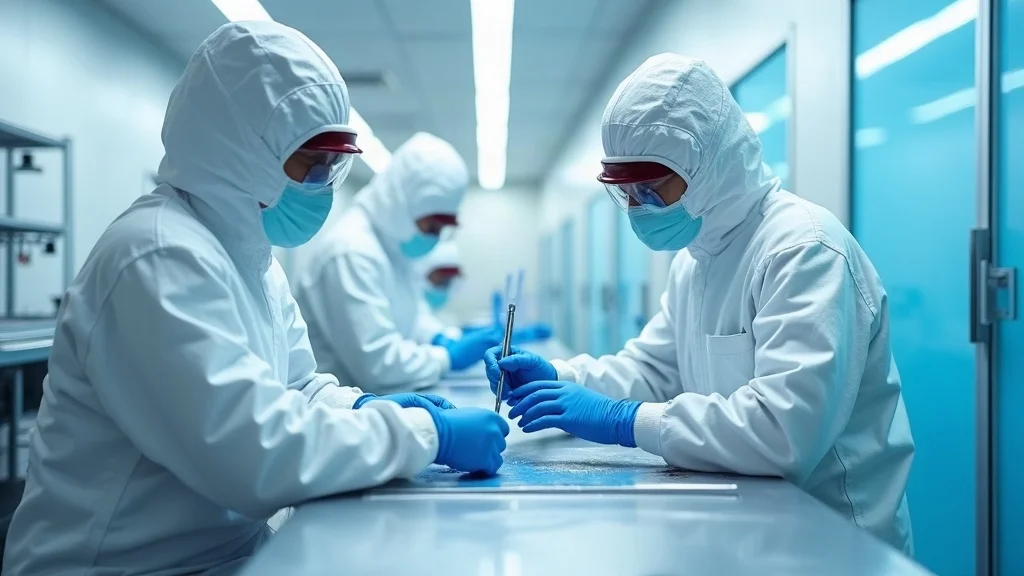
“In biotech, especially in clean and plant areas, there cannot be any paint film failures — these areas must remain absolutely clean at all times to prevent contamination.”
— Dave Cole, Arthur Cole Painting Corporation
Key Compliance and Safety Standards Every Commercial Painting Project in Biotech Must Meet
The biotech sector doesn’t just demand clean and durable finishes; it enforces them by regulation. From cGMP (current Good Manufacturing Practice) oversight to VOC (Volatile Organic Compounds) limitations, commercial painting biotech projects intersect with a labyrinth of safety and compliance requirements. As Dave Cole points out, a painter’s access to these facilities is itself tightly controlled—requiring documented training and strict protocol adherence long before the first drop of paint is mixed.
These expectations go far beyond insurance certificates or basic safety compliance. Every product selected, every surface prepped, and every brushstroke must account for cleanroom standards, contaminant mitigation, and compatibility with highly specialized HVAC and filtration systems. Not only do regulations dictate allowable chemical emissions and surface performance, but they also shape the very way painting contractors must dress, work, and even schedule their operations within these spaces.
Navigating Clean Room Requirements and VOC Compliance in Commercial Painting
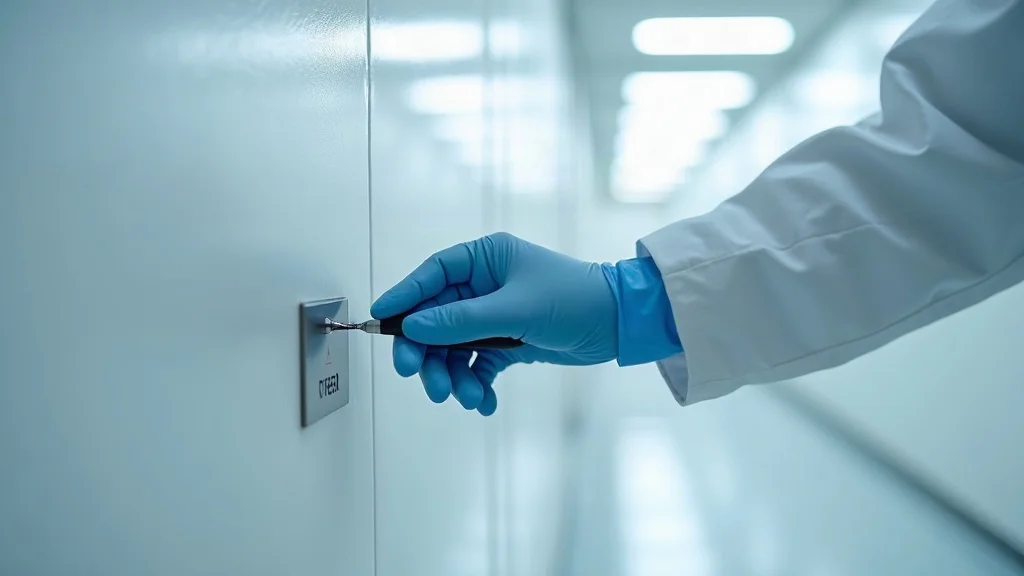
Working inside a biotech facility isn’t just about applying paint—it’s about maintaining and protecting a certified environment where contamination is a zero-tolerance issue. Dave Cole notes that painters working in these environments require “specialized training in gowning procedures,” a non-negotiable that ensures human contaminants never reach critical process areas. In addition, the use of VOC compliant and specifically formulated epoxy coatings is critical. These products are engineered not just for performance, but also to meet the strict environmental and employee health standards entrenched in today’s biotech sector.
Facility managers must confirm that painting partners can provide complete paper trails—documenting everything from compliance testing on coatings to the personal protective behaviors of each painter. The best contractors, notes Dave, proactively manage cross-contamination risks and understand the interplay between paint chemistry, airflow, and overall facility cleanliness. This degree of diligence supports ongoing regulatory compliance and frames painting work as a seamless component of broader safety goals rather than a source of operational anxiety.
“Working in facilities of this magnitude requires specialized training in gowning procedures and adherence to strict DOC VOC compliant epoxy applications.”
— Dave Cole, Arthur Cole Painting Corporation
The Critical Role of Epoxy Coatings and Surface Integrity in Biotech Environments
Epoxy paint systems are the gold standard in commercial painting biotech projects precisely because they deliver uncompromising surface integrity and durability. Unlike traditional coatings, epoxies are formulated for extreme cleanability, chemical resistance, and film continuity—essential characteristics when contamination cannot simply be wiped away but must never be allowed to occur. According to Dave Cole, this demands disciplined surface preparation and application: “Failure to follow epoxy protocols isn’t just about poor aesthetics—it’s an existential risk for facility output. ”
Dave’s experience underscores that even the smallest imperfection—a bubble, pinhole, or edge chip—can harbor contaminants and nullify a facility’s cleanroom validation. That’s why top-tier contractors employ advanced testing, from adhesion checks to gloss and thickness measurements, and understand the nuances of substrate compatibility. Epoxy projects in biotech aren’t one-and-done affairs; they often require systematic inspection, ongoing touch-ups, and a culture of continuous improvement. The result? Assurance that facility walls and floors are not merely painted but fundamentally safeguarded in service of product safety and compliance.
Experience Matters: Choosing the Right Contractor to Avoid Manufacturing Disruption
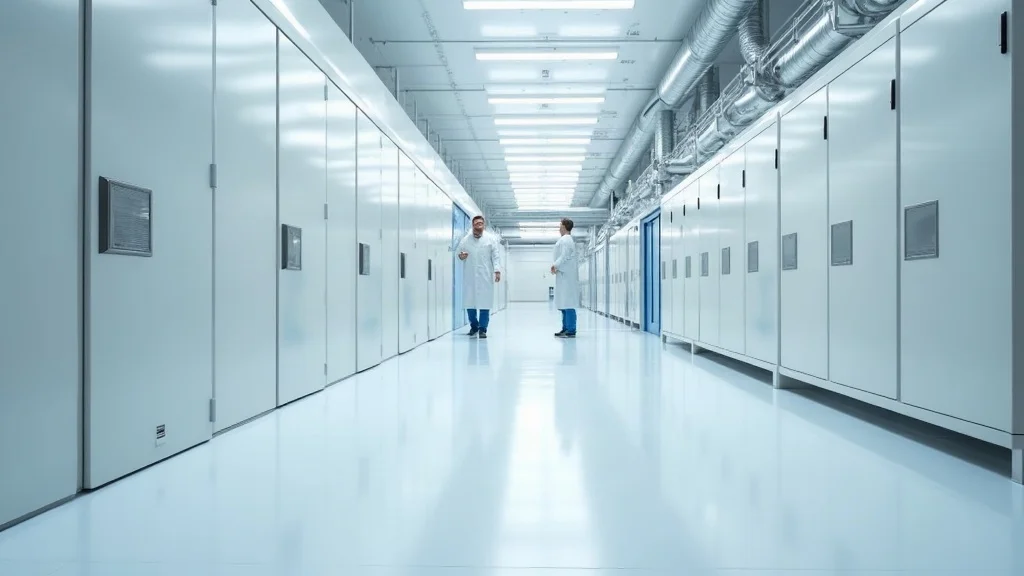
Given the razor-thin margins for error in biotech manufacturing, entrusting your facility to contractors lacking biotech-specific credentials is a calculated risk with potentially catastrophic outcomes. “It’s critical to find a contractor with multiple years of experience in biotech facilities so that facility managers and engineers trust that production will not be disrupted,” advises Dave Cole. For construction and facility managers, this means scrutinizing more than references; it means demanding proven case histories, demonstrated process acumen, and verifiable, ongoing education in sector requirements.
The right contractor leverages detailed project management plans, prioritizes close communication with facility engineers, and guarantees meticulous scheduling to avoid shutdowns or contamination events. According to Dave, such expertise isn’t learned overnight and cannot be faked—seasoned companies like Arthur Cole Painting Corporation embody this legacy. Their teams maintain a culture of readiness, transparency, and collaborative problem-solving that transforms potential project anxiety into calm confidence and workflow continuity.
“It’s critical to find a contractor with multiple years of experience in biotech facilities so that facility managers and engineers trust that production will not be disrupted.”
— Dave Cole, Arthur Cole Painting Corporation
Trust-Building Through Proven Expertise and Meticulous Project Management
Proactive risk management forms the backbone of seamless commercial painting biotech engagements. Dave Cole articulates that “trust is earned through rigorous protocols, documented results, and attentive partnership. ” Contractors must be able to demonstrate not only technical prowess but also an institutional familiarity with the pressures unique to biotech operations. Thorough orientation for every team member, a deep understanding of regulatory documentation, and deliberate isolation of work areas are minimum requirements for anyone working within these environments.
Building owners and facility managers should expect clear, stepwise plans reviewed in advance, ongoing updates throughout the project, and immediate escalation protocols for any anomalous findings. Only through exhaustive training and robust documentation can contractors provide assurance that every aspect of the painting process upholds and even advances the facility’s operational goals.
- Specialized training in biotech cleanroom protocols
- Use of DOC VOC compliant paints and epoxy coatings
- Strict adherence to contamination prevention best practices
- Comprehensive experience working within biotech manufacturing environments
- Minimizing operational disruptions through expert scheduling and communication

Enhancing Biotech Facility Safety: Actionable Tips from Industry Experts
Maintaining safety and compliance during any commercial painting biotech project boils down to the diligence of all partners involved. Here, Dave Cole’s actionable insights offer facility and construction managers a practical blueprint for success. From pre-engagement vetting to final walkthroughs, each recommendation emphasizes the necessity of communication, credentials, and ongoing oversight.
- Conduct thorough vetting of contractors’ biotech experience
- Verify certifications and training in cleanroom painting protocols
- Confirm use of specialized VOC-compliant and durable paint systems
- Ensure ongoing communication between painters, facility managers, and engineers
- Schedule painting work to minimize workflow interruptions
Frequently Asked Questions: Addressing Commercial Painting Challenges in Biotech
- What distinguishes commercial painting for biotech from standard painting?
According to Dave Cole, biotech projects raise the stakes with their need for cleanroom-compatible finishes, advanced contaminant controls, and specialized application protocols—requirements rarely found in typical commercial settings. - How do VOC regulations impact paint selection for biotech facilities?
VOC regulations require contractors to use advanced, compliant epoxy or waterborne coatings that safeguard air quality, worker safety, and production integrity within sensitive biotech environments. - Why is contractor experience pivotal in cleanroom painting projects?
Only deeply experienced contractors can anticipate logistics, ensure clean handoffs, and proactively prevent workflow disruptions or lapses in compliance, reinforcing facility managers’ confidence that production remains protected.
Conclusion: Securing Manufacturing Integrity with Strategic Commercial Painting Biotech Solutions
In biotech, the margin for error is razor-thin, making strategic commercial painting not just a matter of aesthetics, but a linchpin of regulatory compliance and product safety. As Dave Cole’s guidance illustrates, trusting painting projects to unproven hands isn’t just a risk—it’s an unacceptable gamble with your facility’s reputation and productivity. Every step, from product vetting to project scheduling, should be built on a foundation of experience, specialized knowledge, and unwavering attention to detail. The priority is every facility manager’s peace of mind: that their operations continue without disruption, contamination, or costly setbacks.
“Partnering with trusted contractors who understand biotech compliance means safeguarding your production with painting solutions that never fail.”
— Dave Cole, Arthur Cole Painting Corporation
Next Step: Get Started with a Free Quote from Arthur Cole Painting Corporation
Ready to protect your biotech investment with proven, compliant painting solutions? Contact Arthur Cole Painting Corporation today for a complimentary consultation and tailored project estimate. Discover how our decades of industry leadership and meticulous process management make all the difference for New England’s most critical manufacturing environments. Don’t leave your facility’s integrity to chance—work with the experts who set the standards in commercial painting biotech excellence.