Imagine walking into a state-of-the-art facility, where every piece of equipment hums seamlessly, operations run smoothly, and costly surprises are a thing of the past. That’s the power of implementing best practices for facility asset management. In an era defined by fast-evolving technology and increasingly stringent regulations, mastering these practices is no longer optional—it’s the foundation for lasting efficiency and competitive advantage. This comprehensive guide is designed for business owners, property managers, and facility managers ready to boost performance, cut risk, and drive long-term asset value.
Why Best Practices for Facility Asset Management Matter Today
-
Observing the current landscape: How evolving technologies and regulations demand robust asset management practices.

-
Real scenarios where poor asset management leads to costly inefficiency and risk.
In today’s modern facilities, the pressure to keep up with technological advancements and regulatory shifts is ever-present. Service managers, business owners, and asset overseers are now required to coordinate activities seamlessly while staying ahead of compliance and operational risks. A lapse in asset management could mean stranded equipment, spiraling repair costs, or even safety hazards. Poor practices can put everything at risk, from the bottom line to the reputation of large corporations and nonprofit management organizations. This is why adopting best practices for facility asset management isn’t just about current needs—it’s a proactive approach to guiding your facility safely into the future.
Consider the ripple effect a malfunctioning HVAC can have in a college or university campus, where poor maintenance might disrupt hundreds of students. Or, picture the impact on essential human resources when a critical system goes down in hospitals. Effective asset management ensures not only cost savings but also the safety and productivity of all stakeholders—from personnel department staff to the board of directors. As real estate and business administration landscapes become increasingly interconnected, comprehensive asset management provides the reliability, adaptability, and accountability required in the act of managing dynamic environments.
What You’ll Learn About Best Practices for Facility Asset Management
-
Actionable strategies to optimize your facility assets
-
Frameworks and tools for sustainable asset performance
-
Expert insights into industry standards and future trends
This guide will equip you with proven frameworks that managers plan and execute to get the most from their assets. From established industry standards to the tools that make day-to-day facility oversight easier, each section delivers accessible, actionable knowledge designed to make your facility’s asset management future-ready.
Core Concepts: Understanding Best Practices for Facility Asset Management
-
Defining asset management within facility environments
-
Key objectives and strategic outcomes of effective facility asset management
-
Distinguishing proactive vs. reactive management approaches
Best practices for facility asset management begin with understanding what asset management really means in the context of public administration and private enterprise. At its core, asset management involves the coordinated activities of managers plan to maximize asset performance across their entire lifecycle—spanning acquisition, operation, maintenance, and eventual disposal. A well-executed strategy emphasizes resource efficiency, minimizes downtime, and helps managers coordinate teams to achieve strategic business objectives. Fundamental outcomes include reduced operational costs, risk mitigation, improved compliance, and sustainable asset performance.
There’s a vital distinction between proactive and reactive management. Proactive facility asset management relies on planning, prevention, and data-driven insights—integrating the best thinking from historical figures like Adam Smith and Mary Parker Follett. In contrast, reactive management risks inefficiency, higher annual wage costs from emergency repairs, and potential compliance breaches. The most successful business schools and organizations invest in developing a proactive culture, integrating insights from social science and business administration research to keep facilities running at peak performance.
Table: Comparing Facility Asset Management Frameworks and Standards
| Framework | Guiding Principles | Application in Facility Management |
|---|---|---|
| ISO 55000 | Holistic, risk-based approach; lifecycle focus | Used by large corporations and federal government agencies for standardized asset oversight |
| PAS 55 | Public administration-friendly, emphasis on continual improvement | Adopted by nonprofit organizations and managers coordinate teams in utility sectors |
Standards like ISO 55000 and PAS 55 define asset management best practices. ISO 55000 introduces a holistic, risk-based approach and is favored by the board of directors and service managers alike. PAS 55 is another foundational framework, recognized especially in public administration and nonprofit management circles. Utilizing these provides a roadmap for improving operational performance and adhering to regulatory expectations across all branches of management.
Developing a Strategic Asset Management Plan: Step-by-Step Guide
-
Setting clear goals and aligning with broader business objectives
-
Asset lifecycle planning: acquisition, operation, maintenance, and disposal

-
Assessment and prioritization: Criticality, condition, and risk
Building a robust asset management plan starts by managers coordinating activities and setting clear, actionable goals. These objectives should align closely with organizational mission—whether it’s a real estate firm aiming for maximum uptime or public administration agencies targeting regulatory compliance. Planning involves mapping out each asset’s full lifecycle: from acquisition to routine operation, maintenance, and timely disposal. Here, asset lifecycle planning works to maximize return on investment while minimizing surprises that could impact service managers or the greater business school community.
Next, assessment and prioritization are critical. Managers plan by assigning a risk rating to assets based on their condition and criticality. This not only enables smarter allocation of preventive maintenance, but also supports ongoing improvement. Engaging facility teams in strategic sessions—with input from the personnel department and input from human resource specialists—ensures that every asset receives attention matching its business value and risk profile. This systematic approach underpins the act of managing complex environments found at colleges and universities, and ensures resources are balanced effectively.
Key Considerations When Creating Facility Asset Registers
-
Accurate data collection and tagging
-
Integration with facility management systems
A successful asset register is built on accurate data collection and precise tagging. Managers plan meticulously to integrate digital records—whether through a Computer-Aided Facility Management (CAFM) system or other management studies tools. Integration with existing facility management systems allows for real-time tracking, comprehensive reporting, and seamless coordination between departments such as human resources and service teams. With technology, business administration processes become more efficient and support the ongoing oversight required by colleges, universities, and large corporations.
To maintain data integrity, ongoing audits and updates are required. Managers oversee the assignment of unique tags or barcodes to every asset, ensuring audits, performance tracking, and compliance are always up to date. For organizations such as nonprofit management institutions or businesses in regulated sectors, this approach significantly mitigates risk and supports compliance with public administration guidelines.
Implementing Preventive Maintenance: A Pillar of Best Practices for Facility Asset Management
-
Building comprehensive maintenance schedules
-
Benefits of regular inspections and digital monitoring tools

-
Choosing between in-house and outsourced maintenance teams
Preventive maintenance is a linchpin of effective facility asset management. Service managers coordinate activities to develop comprehensive maintenance schedules, ensuring each component receives attention before issues arise. Regular inspections using digital monitoring tools and internet-connected devices allow managers to stay proactive. This digital-first mindset not only extends asset lifespan, but also aligns with business administration best practices that colleges and universities now teach as core management studies.
The decision between using in-house versus outsourced maintenance teams depends on the asset complexity, organizational size, and internal capabilities found in large corporations or smaller nonprofit management teams. Regardless of the approach, documentation and periodic review—supported by digital platforms and real-time data streams—are essential in reducing risks and supporting regulatory compliance. This fosters a culture of prevention aligned with modern social science perspectives and the latest research in management include human resource and business administration fields.
Leveraging Technology for Enhanced Asset Tracking and Performance
-
Role of IoT, sensors, and CAFM systems in modern asset management
-
Best practices for data-driven decision making
Integrating technology is transforming facility asset management. Internet of Things (IoT) sensors, real-time asset tracking, and robust CAFM systems empower managers to coordinate activities more efficiently, make data-driven decisions, and achieve superior outcomes. These advances are seen in both public administration and the private sector, where business schools and service managers alike are adopting smarter, more connected environments.
The key is aligning technology with management objectives. Regular analysis of data streams helps managers oversee assets, measure performance, and benchmark against marketplace standards. By leveraging these tools, nonprofit management groups and business administration teams ensure compliance, increase operational transparency, and support strategic goals—achieving not just efficiency, but true adaptability in practice.
Quotes from Leading Facility Management Experts
“Effective asset management is about maximizing value and minimizing risk throughout the asset lifecycle.”
“The foundation of great facility asset management is a well-defined preventive maintenance program and real-time data insights.”
Essential Lists: Must-Do Best Practices for Facility Asset Management
-
Establish clear documentation standards
-
Foster ongoing staff training and accountability
-
Conduct routine performance audits and optimize continuously
-
Adopt asset condition assessment as a regular process
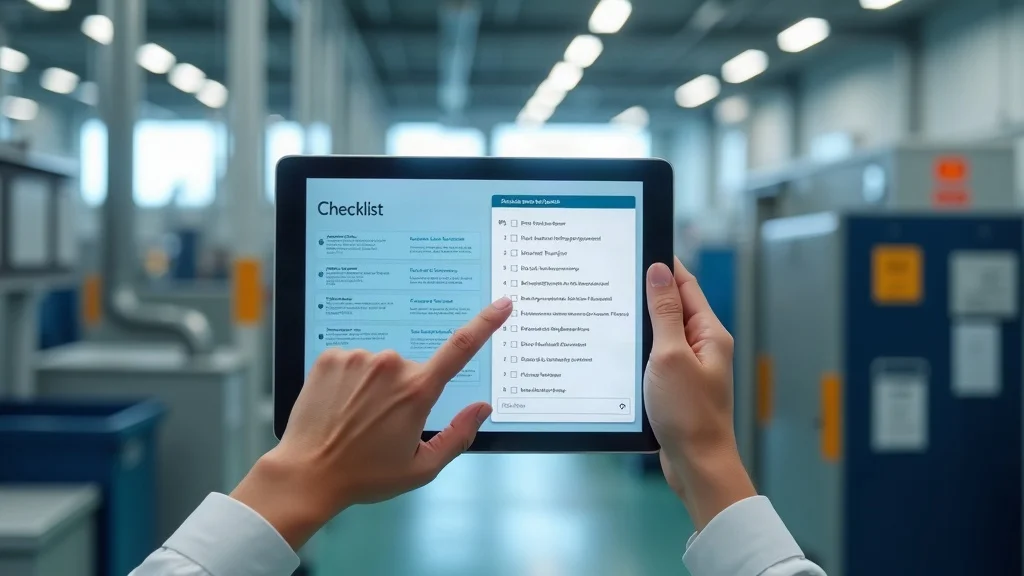
To ensure the ongoing success of your asset management efforts, managers plan for clarity and consistency in documentation, from service logs to compliance records. Ongoing staff training and accountability are also fundamental, as skilled personnel ensure procedures are followed accurately. Service managers coordinate routine performance audits and use the findings to optimize operations—elevating both efficiency and safety. Finally, regular condition assessments detect emerging issues before they can escalate, enabling leadership at all levels, from board of directors to teams in colleges and universities, to respond proactively.
Organizations excelling in asset management include those that treat these principles not merely as guidelines but as an integral part of institutional culture. Adopting these methods helps maintain operational excellence and supports the kind of forward-thinking leadership admired in business administration literature by thinkers like Henri Fayol and Parker Follett.
Ensuring Compliance and Safety in Facility Asset Management
-
Adherence to legal/regulatory requirements
-
Documentation best practices for audits
-
Integrating compliance into daily management routines
Whether managing assets for the federal government or a nonprofit management group, compliance and safety must always be top priorities. Regulatory requirements are continually evolving, making it vital for service managers and facility leaders to document procedures and adhere to recognized standards. Proper documentation ensures swift response during audits and provides proof of compliance to external bodies—essential in industries from real estate to human resource management.
Integrating compliance into daily routines—rather than treating it as an afterthought—should be a key objective for managers coordinate across branches of management. Utilizing modern CAFM solutions that automate tracking, reminders, and reporting streamlines these activities. This supports not only legal compliance, but also builds a culture of accountability and continual improvement, vital for business continuity and reputation management.
Sustainability and Energy Management: Next-Level Best Practices for Facility Asset Management
-
Green asset initiatives and their ROI

-
Strategies for reducing operational costs and environmental impact
Sustainable practices in facility asset management are no longer a luxury—they’re part of responsible business administration. Implementing green initiatives such as installing energy-efficient lighting, managing water use, and adopting renewable energy sources can deliver significant returns on investment for both private sector and public administration entities. Managers oversee these changes not only for the sake of the environment, but also to drive down utility costs, improve asset longevity, and enhance reputation among key stakeholders.
To reduce operational costs further, proactive managers plan for ongoing monitoring of energy use, identify inefficiencies, and implement targeted upgrades. Partnering with human resource and real estate teams ensures strategies are integrated facility-wide, supporting compliance and aligning with the organization’s broader sustainability goals. This proactive approach, which integrates social science perspectives, means sustainability is embedded into the daily act of managing assets.
Continuous Improvement and Adaptation in Facility Asset Management

-
Adopting a culture of learning from asset performance reviews
-
Utilizing feedback and benchmarking against industry leaders
Continuous improvement is the hallmark of resilient facility asset management. Successful organizations—whether large corporations or public sector agencies—engage in regular asset performance reviews, learning from both their successes and their setbacks. Facility managers coordinate activities that analyze performance, compare outcomes to industry benchmarks, and act on lessons learned. This mindset distinguishes truly adaptable organizations that thrive amid change.
Effective feedback loops and benchmarking against industry leaders provide real-time insight into areas for improvement. Business administration experts, management studies scholars, and service managers alike point to continuous learning as the key factor separating average facilities from high-performing ones. Leveraging advanced analytics and feedback mechanisms enables nonprofit management and private sector teams to quickly adopt emerging best practices, ensuring ongoing competitiveness and operational excellence.
[Insert embedded video of a facility management expert sharing case studies and practical insights on implementing best practices. ]
People Also Ask: What are some good asset management practices?
-
Answer: Good asset management practices include routine preventive maintenance, accurate asset records, strategic planning, and leveraging technology to drive efficiency and reduce risk. Regular training and review processes ensure ongoing improvement.
People Also Ask: What are the five pillars of asset management?
-
Answer: The five pillars of asset management commonly include: Leadership/Strategy, Information, Organization, Risk Management, and Lifecycle Delivery. Together, they form the foundation of successful asset management in facilities.
People Also Ask: What are some examples of management best practices?
-
Answer: Examples include establishing strong communication channels, standardizing processes, implementing preventive maintenance routines, using KPIs for performance measurement, and fostering a safety-first culture.
People Also Ask: What are some popular journals of management?
-
Answer: Influential journals include the Journal of Facilities Management, International Journal of Strategic Property Management, and the Journal of Asset Management.
FAQs on Best Practices for Facility Asset Management
-
What tools help automate asset tracking and monitoring?
Modern CAFM (Computer-Aided Facility Management) systems, IoT-enabled sensors, and integrated asset management platforms help automate real-time equipment tracking, scheduling preventive maintenance, and monitoring usage trends. -
How can you train staff for ongoing asset management improvement?
Provide mandatory onboarding and regular refresher courses, align with business administration best practices, encourage certifications, and promote open communication channels between facility teams and management. -
Are there certifications for facility asset management professionals?
Yes, professionals can pursue credentials such as the Facility Management Professional (FMP) and the Certified Facility Manager (CFM) designations, which are recognized by industry bodies and respected at business schools and by service managers.
Key Takeaways: Best Practices for Facility Asset Management
-
Best practices for facility asset management require planning, prevention, compliance, and adaptability.
-
Technology and continuous improvement drive long-term asset value.
[Insert embedded video demonstration of the latest asset tracking and maintenance management technologies in real facilities. ]
Take Your Facility Asset Management to the Next Level
-
Get Started with a Free Quote –https://colepainting.com/contact/or call(508) 799-9019.
Conclusion: By embracing a proactive, technology-driven approach and fostering a culture of continuous learning, you can transform your facility asset management and unlock substantial long-term value.