Ever faced peeling paint, unpredictable drying times, or costly touch-ups on industrial surfaces? If you manage business properties or oversee facility operations, you know that industrial painting isn’t as simple as rolling on a coat of paint. Navigating the common challenges in industrial painting—from surface preparation to site safety—can make the difference between a finish that protects for years and one that quickly fails. This comprehensive guide reveals how expertise transforms these obstacles into opportunities for long-lasting, professional results.
Navigating Common Challenges in Industrial Painting: Why Expertise Matters
In both commercial painting and industrial painting projects, overlooked details can result in costly reworks, downtime, and compromised safety. Business owners and property managers often underestimate the importance of expert-led solutions, only to later battle adhesion issues, environmental setbacks, or poor aesthetic outcomes. Whether applying commercial paint to office interiors or using industrial paint on critical machinery, leveraging the right skills, products, and project management approaches helps you overcome these challenges before they threaten the integrity of your assets.
Seasoned commercial painters know that a successful industrial painting project requires more than just quality materials—it’s about deploying experience to predict and solve unique problems at every stage. With rigorous surface prep, careful paint selection, and robust project management, these experts deliver finishes that last, comply with safety standards, and minimize disruption. Below, we’ll detail practical strategies that empower you to achieve these outcomes efficiently and safely, every time.
What You’ll Learn:
The most frequent issues impacting industrial painting success
How commercial paint and industrial paint differ in performance and challenges
Strategies for overcoming project management and surface prep barriers
Steps to ensure a professional finish under demanding conditions
Answers to the most common industrial painting FAQs
Introduction: Common Challenges in Industrial Painting and Commercial Painting
Both industrial painting and commercial painting projects present an array of unique challenges that go far beyond choosing a color or finishing on time. From working at scale in a manufacturing facility filled with sensitive equipment to orchestrating the project management of multi-stage operations, details matter. On any given day, painters may contend with adverse weather, strict safety standards, heavy-duty machinery in need of specialized coatings, or the requirements of commercial paint vs industrial paint performance. A minor oversight—a dusty surface, a misjudged drying time, or incorrect paint system selection—can compromise the final product and significantly reduce longevity or visual appeal.
The complexity only multiplies when you factor in tight operational schedules, regulatory compliance, and the need to balance aesthetics with durability. Skilled commercial painters employ careful preparation, innovative solutions, and decades of experience to ensure that even under pressure, the result meets rigorous facility and safety standards. By understanding and proactively addressing each challenge, property managers and business owners can ensure their assets remain protected, attractive, and in full operational health.
Understanding the Significance of Common Challenges in Industrial Painting
It’s tempting to categorize industrial and commercial painting as simple finishing touches, but these projects often provide the frontline defense against environmental hazards and material degradation. From equipment corrosion to the aesthetic demands of customer-facing spaces, overcoming obstacles like improper surface preparation or rushed application dramatically extends the lifespan and performance of painted assets. When such issues are ignored or underestimated, downtime, safety risks, and expensive remediation follow.
Experienced commercial painters and facility managers agree: robust preparation and precise product selection aren’t options—they’re necessities. As operations expand, variables such as weather, substrate complexity, and demanding schedules test even the most seasoned teams. Only by focusing on each stage, from careful surface prep through to final inspection, can stakeholders achieve a result that withstands both the test of time and the rigors of operational wear.
“Industrial painting often determines the lifespan and safety of critical infrastructure – addressing its unique challenges is vital for long-term success.”
Identifying Common Challenges in Industrial Painting and Commercial Painting Projects
List of Key Common Challenges in Industrial Painting
Surface preparation (surface prep, surface preparation)
Selecting appropriate commercial paint or industrial paint
Managing drying time
Dealing with environmental and weather factors
Ensuring safety and regulatory compliance
Achieving a professional finish on large-scale surfaces
Project management complexities in commercial painting
Surface Preparation: The Foundation for Overcoming Challenges in Industrial Painting
Why Surface Prep Matters in Commercial Paint and Industrial Paint Projects
No challenge is more critical than surface preparation when it comes to industrial painting. Ensuring surfaces are clean, dry, and properly profiled forms the foundation for successful adhesion and a durable, professional finish. Inadequate surface prep can lead to immediate issues such as flaking, blistering, or poor coverage, and over time, it can significantly reduce the coating’s lifespan—even with the best commercial paint or industrial paint available. That’s why every successful painting project begins with strategies like:
Cleaning and degreasing industrial surfaces
Abrasive blasting and mechanical preparation
Handling different substrates in commercial painting environments
Each method solves specific problems—removing contaminants, profiling metal, or adapting to the complexity of concrete or previously painted surfaces. For business-critical facilities, the right approach to surface prep isn’t just about aesthetics; it’s the difference between a maintenance-free decade and unplanned downtime within months.
Common Surface Preparation Challenges and Solutions
Improper surface preparation is the root cause behind most costly failures in industrial painting. Dust or oils left behind may compromise final adhesion. Weather conditions, such as high humidity or temperature swings, can interfere with curing. And different substrates—from galvanized steel to aged concrete—introduce their own unique requirements. Recognizing, diagnosing, and addressing these pain points ensure the correct paint system bonds perfectly, improving product resistance and overall performance.
| Surface Preparation Issue | Potential Impact | Resolution Method |
|---|---|---|
| Insufficient cleaning | Poor adhesion, peeling, early coating failure | Degreasing, detergent wash, surface inspection before painting |
| Inadequate surface profiling | Paint may not bond; blistering or flaking occurs | Abrasive blasting or mechanical preparation to industry standards |
| Residual moisture or high humidity | Compromises the final cure; can cause mildew or bubbling | Control humidity, use dryers or climate adjustment, moisture testing |
| Not addressing substrate-specific challenges | Adhesion issues on metals, concrete, or composite surfaces | Match prep method and primer to substrate type |
Choosing the Right Paint: Tackling Common Challenges in Industrial and Commercial Paint Selection
Key Differences: Commercial Paint vs Industrial Paint
Performance requirements and durability. Industrial paint systems are engineered for heavy-duty environments where chemical exposure, abrasion, and temperature extremes are common, while commercial paint is optimized more for appearance and lighter traffic.
Resistance to chemicals, heat, or abrasion. Commercial paints may look similar to their industrial counterparts but generally lack the specialized additives that create long-term resistance to specific hazards.
Environmental regulations impacting commercial paint choices. VOC compliance, waste handling, and green certifications are just some oversight areas affecting product selection in both sectors.
Matching the right product to the project is an essential skill for commercial painters. Selecting the wrong type—such as a water-based paint for a high-humidity plant—can lead to adhesion issues and may jeopardize certifications or regulatory compliance. Consulting with specialists ensures coatings are both fit for purpose and align with your operational and environmental needs.
Matching Products to Project Demands in Industrial Painting
Each painting project brings its own unique challenges; what works for office walls won’t necessarily protect a production line conveyor or a fuel storage tank over years of service. The best commercial painters work closely with clients, combining technical data with site experience to pin down the precise paint system for the need—factoring in not only durability, but finish, downtime, and even color logistics. By foregrounding this decision, facilities achieve a professional finish that stands up to real-world rigors and avoid costly surprises down the line.
Drying Time and Curing: Overcoming Scheduling and Quality Issues in Industrial Painting
Factors Impacting Drying Time in Commercial and Industrial Painting
Temperature and humidity effects: Environmental conditions fundamentally influence drying time. Higher humidity or cooler temperatures slow curing, while excessive heat can cause premature skinning and poor film formation.
Paint thickness and application technique: Applying paint too thickly can trap solvents, causing bubbles and soft spots, while inconsistent spraying or rolling introduces streaks and uneven finish.
Importance of proper drying for a professional finish: Rushing between coats or introducing contamination during drying can compromise the final product, resulting in gloss irregularities or early wear.
To improve product outcomes and keep your painting project on schedule, monitoring environmental conditions and following manufacturer instructions for each specific product is crucial. Smart scheduling—such as painting during optimal weather or in controlled environments—ensures curing proceeds as intended and helps maintain a professional finish that’s both attractive and durable.
Environmental and On-Site Challenges in Commercial and Industrial Painting
Dealing with Weather, Dust, and Ventilation in Industrial Painting
On-site conditions can easily derail even the best-planned painting projects. Sudden weather changes, traffic dust, and inadequate ventilation can cause significant delays, impact curing, and compromise safety. Skilled commercial painters employ site-specific strategies—temporary enclosures, dust management protocols, and industrial fans—to create controlled micro-environments, enabling work to proceed safely and efficiently.
“Proper site control and climate adaptation are crucial to achieving a consistent, lasting finish in industrial and commercial painting.”
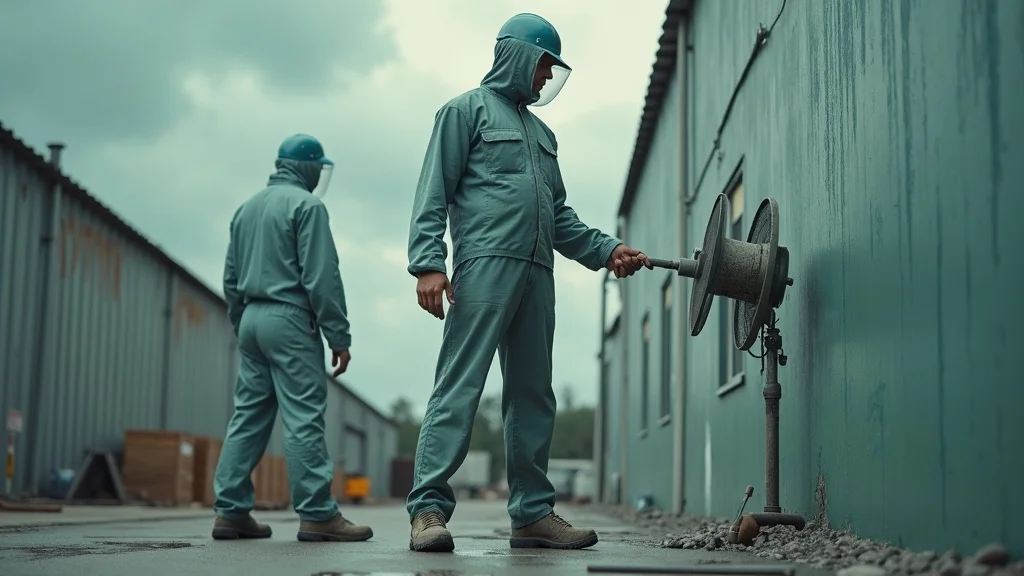
Investing in these adaptations is not just about maintaining appearances; it ensures product performance and protects facilities from the risk of compromised coatings, which can be expensive and hazardous to repair. Proactive environmental management is a hallmark of a professional painting contractor, especially when operational continuity is at stake.
Safety, Compliance, and Risk Management: Meeting Industrial Painting Standards
Essential Safety Practices for Commercial Painting and Industrial Painting
Personal protective equipment (PPE) requirements
Handling hazardous materials during painting
Regulatory compliance for commercial paint and project management
Health, safety, and regulatory compliance are non-negotiable in industrial painting. Painters must utilize PPE such as respirators, gloves, and coveralls in addition to meticulously managing volatile chemicals and waste. Regulatory oversight—from OSHA safety standards to environmental protection guidelines—demands careful documentation and adherence. Failure to address these factors can result in lawsuits, fines, and reputational harm for business owners and facility managers alike. Prioritizing safety protocol, ongoing training, and detailed record-keeping minimizes these risks and supports a safe, productive worksite.
Project Management: Avoiding Pitfalls in Large-Scale Industrial Painting Jobs
Critical Steps for Successful Project Management in Industrial Painting
Planning and scheduling
Resource allocation and timeline management
Communication between commercial painters, clients, and vendors

Large-scale industrial or commercial painting projects require precise project management to stay on time and within budget. Without sound scheduling and resource allocation, delays snowball, impacting operations and eroding trust. A clear communication channel between clients, vendors, and the commercial painter team is equally crucial, ensuring changes are swiftly incorporated and progress aligns with expectations. Superior projects rarely happen by chance—they’re the outcome of detailed preparation, reliable documentation, and real-time adjustments by experienced managers.
By partnering with teams adept in these areas, business and facility leaders avoid the common pitfalls that derail complex paint jobs, protect their investment, and ensure that high-traffic or sensitive operations continue uninterrupted.
Achieving the Desired Professional Finish in Commercial Painting Projects
Common Finish Defects and Their Solutions in Industrial Paint
Blistering
Peeling
Uneven gloss
Inadequate color coverage
Every facility manager and property owner wants a professional finish that stands out and stands up to daily demands. However, defects can arise from any stage of a poorly managed painting project—from rushed surface prep to hasty application or using the wrong type of commercial paint. Issues like blistering and peeling often stem from trapped moisture, incompatible paints, or improper curing. Uneven gloss and poor color coverage are typically traced back to inadequate mixing or skipping recommended spread rates.
Solving these problems means aligning each step with industry best practices, investing in skilled professionals for critical phases, and never cutting corners during inspection and handover. Regular maintenance also prevents minor flaws from becoming major failures, extending the life and appearance of the finish significantly.
People Also Ask: Common Questions About Challenges in Industrial Painting
What is the 80/20 rule in painting?
In industrial and commercial painting, the 80/20 rule often refers to the principle that 80% of results come from 20% of preparation and detail work. This underlines the importance of focusing resources on essential tasks like surface prep and thorough quality inspection to achieve a successful, long-lasting outcome.
What are some challenges in painting restoration?
Painting restoration projects often face unique challenges, such as matching historic finishes, correcting previous material degradation, and ensuring the new industrial paint is compatible with existing coats. Special attention is required to maintain authenticity, meet preservation standards, and ensure new layers bond securely to old surfaces.
What are 5 defects found on a painted surface?
Five common defects found in industrial and commercial painting include blistering, chalking, cracking, peeling, and discoloration. These often result from substrate issues, choosing the wrong paint type, or adverse environmental conditions during application and curing.
Is being an industrial painter hard?
Being an industrial painter is demanding work. It requires physical endurance, keen attention to detail, technical knowledge of paint systems and application methods, and strict adherence to safety regulations, making it a highly skilled and physically intensive career.
FAQs: Common Challenges in Industrial Painting
What are the signs of insufficient surface prep in commercial painting?
Signs include visible dust or grease, peeling or blistering soon after application, and uneven coating. Proper surface preparation and inspection are vital for adhesion and durability.Can industrial paint be safely applied in cold weather?
Many modern industrial paints are formulated for wider temperature ranges, but extreme cold lengthens drying time and may impact adhesion. Consult with a commercial painter experienced in cold-weather application for best results.How do commercial painters minimize downtime for business operations?
Skilled teams plan work around operational schedules, use fast-curing commercial paint systems, and employ surface prep strategies that allow business to continue with minimal disruption.What certifications should an industrial painter hold?
Look for credentials in OSHA safety, hazardous materials handling, and manufacturer-specific systems. Ongoing training is key to ensuring compliance and results.How is a professional finish maintained in busy facilities?
Regular maintenance, prompt repair of any defects, and cleaning routines help ensure painted surfaces in high-traffic industrial and commercial spaces remain protected and attractive over time.
Key Takeaways: Overcoming Common Challenges in Industrial Painting
Meticulous surface prep and the right commercial paint are essential for durable results
Safety, project management, and finish quality must be prioritized
Partnering with experienced commercial painters is the fastest path to overcoming industrial painting obstacles
Ready to Overcome Your Industrial Painting Challenges? Get Started with a Free Quote
The right expertise is your greatest asset in tackling common challenges in industrial painting. Don’t leave costly outcomes to chance—Get Started with a Free Quote or call (508) 799-9019 to connect with professionals equipped to handle any project, big or small.