
Picture this: it’s Monday morning and you walk into your facility. Everything runs smoothly, equipment hums steadily, spaces are spotless, and your team is already addressing maintenance tasks without a hitch. Achieving this level of organization may seem far off when you’re constantly battling emergency repairs, overdue work orders, and uncertain budgets. If you relate to this scenario, mastering facility maintenance management could be your game-changer. This comprehensive guide breaks down the essentials, demystifies industry jargon, and gives you a step-by-step framework to reduce downtime, ensure a safe work environment, and keep your facilities in top shape—without the chaos.
Understanding Facility Maintenance Management: Why It Matters
Facility maintenance management is the systematic process of overseeing and coordinating all maintenance tasks and activities that keep a facility, from its building systems to equipment, running efficiently and safely. For business owners, property managers, and facility managers, effective management means proactively addressing potential issues before they escalate into costly breakdowns, prolonged downtime, or safety hazards. Well-implemented maintenance management helps ensure every component—from the HVAC unit to the light bulbs and fire safety systems—works reliably and efficiently.
When facility maintenance management is overlooked, the result can be a cascade of problems: unexpected equipment failures, emergency repair costs, compliance headaches, and diminished employee or customer satisfaction. Prioritizing maintenance isn’t just about fixing what’s broken; it’s about fostering smooth operations and optimizing the value of your physical assets. With preventative programs, quick response protocols, and a clear maintenance schedule, you’ll not only reduce costs but also extend the life of your assets and create a more safe work setting for everyone.

Facility Maintenance Defined
At its core, facility maintenance encompasses the upkeep, repair, and routine care of a facility’s physical assets. This includes everything from managing the HVAC unit, to plumbing, lighting, and even groundskeeping. The aim is to maintain a fully operational environment by scheduling and performing maintenance tasks, monitoring work orders, and resolving issues as they arise. Whether it’s a simple filter replacement or a major system overhaul, each action contributes to the uninterrupted functionality of your facility’s building systems.
Facilities maintenance covers not only the visible areas like lobbies and offices, but also hidden infrastructure such as electrical panels, elevators, and fire suppression systems. Every step requires diligence, planning, and often a team of skilled professionals—known as the maintenance team. For facility managers, understanding the full scope of tasks and the distinction between property maintenance (focused on physical assets and grounds) and facilities maintenance (broader, including all support services) is critical to ensuring no maintenance requirement is overlooked.
Core Benefits of Effective Facility Maintenance Management
Integrating robust maintenance management practices reaps significant advantages. Firstly, it delivers substantial cost savings by preventing major breakdowns and reducing the frequency of emergency repair scenarios. By catching and addressing wear-and-tear during routine checks or through preventive maintenance, you avoid excessive repair bills and minimize the risk of equipment failure disrupting core operations.
Secondly, effective facility maintenance enhances health, safety, and compliance. Adhering to set schedules and prioritizing safe work environments help prevent accidents, extend the lifespan of valuable assets, and keep you in line with governmental or industry regulations. Importantly, a proactive approach also bolsters the reputation of property managers and owners, portraying them as responsible and tenant-focused leaders.
Who Needs Facility Maintenance Management? Business Owners, Property Managers, and Facility Managers
No matter the industry or size, any organization with a physical location needs facility maintenance management. Business owners rely on maintenance programs to protect their investments and foster productivity. Property managers use maintenance strategies to ensure tenant satisfaction, retain high occupancy, and manage risk. Facility managers are often the bridge between daily maintenance activities and bigger-picture organizational objectives—overseeing work orders, maintenance teams, and compliance tasks. Together, they create the foundation for efficiency, resilience, and business growth.
From retail complexes and hospitals to warehouses and office buildings, regular maintenance helps avoid disruptions, supports branding, and upholds standards that customers and employees expect. As facilities management becomes more data-driven, everyone involved must understand both the immediate benefits and long-term value of maintaining their assets strategically.
What You’ll Learn from This Guide on Facility Maintenance Management
-
Key concepts of facility maintenance, maintenance management, and facilities maintenance
-
Types of maintenance: preventive, predictive, corrective
-
How to develop and streamline a facility maintenance management system
-
Role of technology in building maintenance and property maintenance
-
Frequently asked questions about facility maintenance management
Facility Maintenance Management at a Glance: Key Concepts Table
| Concept | Definition | Responsibilities | Key Examples |
|---|---|---|---|
| Facility Maintenance | Upkeep and repair tasks performed to preserve the physical integrity of a facility | Routine checks, emergency repair, equipment upkeep | HVAC servicing, lighting replacement, elevator inspection |
| Maintenance Management | Coordinating, scheduling, and documenting all maintenance tasks and teams | Work order management, resource allocation, performance tracking | Using CMMS, setting maintenance schedules, KPI monitoring |
| Facilities Maintenance | Comprehensive management of all support services and assets to ensure smooth operations | Asset oversight, compliance checks, preventive and corrective actions | Fire safety system upkeep, groundskeeping, pest control |
The Pillars of Facility Maintenance Management
Infrastructure: Building Maintenance and Property Maintenance
Building maintenance and property maintenance are foundational pillars of overall facility upkeep. Building maintenance refers to the ongoing care of a structure’s core systems—electrical, plumbing, HVAC units, roofing, and more—to prevent equipment failure and maintain regulatory compliance. Property maintenance covers grounds, parking areas, landscaping, and external assets, focusing on both aesthetics and functionality.
Proactive infrastructure care is essential for minimizing downtime, controlling costs, and extending the life of assets. Maintenance teams routinely perform regular inspections, identify potential problems early, and manage the maintenance process through checklists and digital systems. This organized approach helps ensure both the interior and exterior elements support operational requirements, safety, and company image.
People: Facility Management and Facilities Management
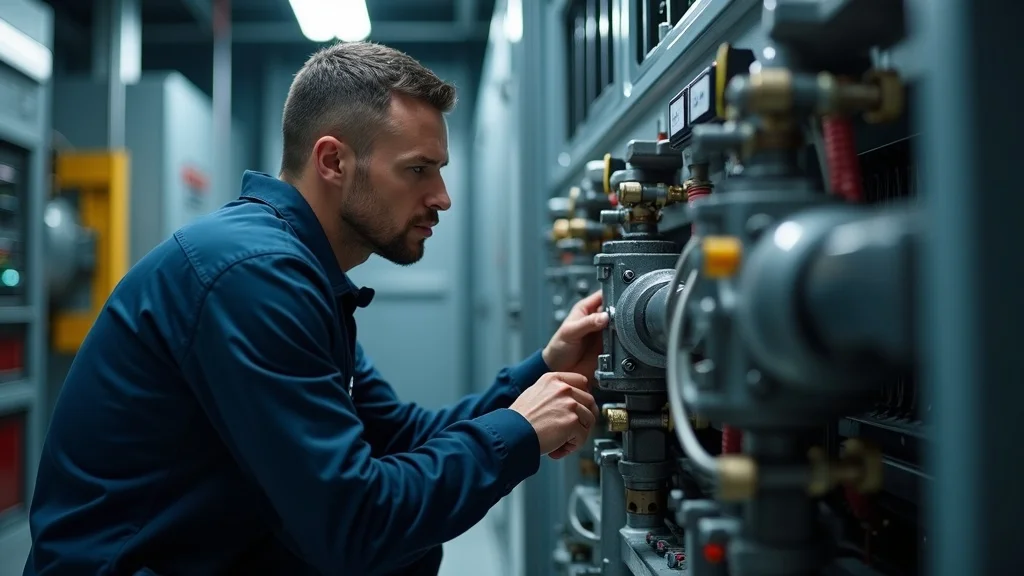
Anyone overseeing facilities—property owners, facility managers, or contracted maintenance teams—plays a critical role in sustaining facilities maintenance. Facility management focuses on coordinating people, space, and processes, while facilities management expands to strategic planning, compliance, and integrating technology. Effective leadership ensures the maintenance team is trained, roles are clearly defined, and a safe work environment is a top priority throughout all maintenance activities.
Collaboration is key. Facility managers must communicate regularly with stakeholders, oversee work orders, and support staff in adopting best practices. Investing in workforce development not only builds technical expertise but also fosters accountability and innovation—helping maintenance teams adapt to changing demands, regulations, and technologies over time.
Processes: Preventive, Predictive, and Corrective Maintenance
Strategic maintenance management relies heavily on selecting the right processes for each asset type. Three primary approaches drive most facilities maintenance programs: preventive maintenance, predictive maintenance, and corrective maintenance. Developing a process-driven plan allows facility managers to optimize scheduling, prioritize critical systems, and reduce the risk of unexpected equipment failures.
Each process has a specific role. Preventive maintenance is about scheduling regular inspections and interventions; predictive maintenance leverages technology and data for preemptive action; and corrective maintenance is the rapid response to breakdowns or faults as they happen. Balancing all three approaches helps organizations minimize costly disruptions, improve compliance, and maximize the longevity of assets.
Preventive Maintenance Explained
Preventive maintenance involves regularly scheduled activities designed to keep building systems and equipment running at peak performance. These maintenance tasks might include changing HVAC filters, lubricating moving parts, testing fire alarms, or inspecting lighting systems—all aimed at reducing the likelihood of equipment failure. Preventive maintenance is typically guided by manufacturer recommendations, historical data, and regulatory requirements to ensure no critical step is missed.
By investing in a preventive program, facility managers take a proactive approach, dramatically lowering the likelihood of emergency repair calls and extending asset lifespans. In turn, this leads to predictable budgeting, improved safety, and more reliable building maintenance overall.

Predictive Maintenance Overview
Predictive maintenance leverages technology—such as IoT sensors, data analytics, and smart software—to monitor equipment in real-time and identify potential problems before they cause failure. By tracking indicators like vibration, temperature, or pressure, maintenance teams can intervene only when necessary, rather than strictly following the calendar.
This data-driven approach enables facility managers to direct resources more efficiently, reduce downtime, and avoid unnecessary maintenance tasks. Predictive maintenance is especially valuable for critical assets, where early detection of wear or malfunction can prevent major disruptions, yielding significant cost savings and ensuring smooth operations.
Corrective Maintenance Use Cases
Corrective maintenance is the reactive element of facility maintenance management: responding quickly and effectively when something breaks or malfunctions. Unlike preventive or predictive approaches, corrective maintenance deals with unplanned events—a leaking pipe, failed HVAC unit, or malfunctioning elevator. While it’s impossible to eliminate corrective needs entirely, structured processes ensure such events are managed swiftly with minimal impact on business continuity.
Facility managers rely on corrective maintenance to tackle emergencies and maintain a safe work atmosphere when immediate repairs are needed. Implementing digital solutions like automated work orders and root cause analysis can help teams learn from these incidents and improve future maintenance planning.
-
Scheduling regular inspections
-
Using sensor data for predictive interventions
-
Responding quickly to breakdowns
Developing an Effective Facility Maintenance Management Plan
Evaluating Facilities: Structured Assessment Checklist
Before implementing a successful maintenance strategy, it’s crucial to thoroughly assess the current state of your facilities. This evaluation highlights vulnerabilities, informs objectives, and establishes a clear baseline for improvement. Using a structured checklist allows property managers and facility managers to approach assessments systematically, ensuring all critical systems, historical records, and operational weaknesses are addressed.
A typical facility assessment may involve:
-
Inventory all assets: Document each piece of equipment, its condition, location, and service history.
-
Analyze existing maintenance records: Review logs for recurring issues, unresolved work orders, and high-cost repairs.
-
Identify critical failure points: Determine which systems are most vulnerable to breakdown and would cause the most disruption if they failed.
Taking a comprehensive inventory and review helps prioritize maintenance efforts, allocate resources wisely, and build a strong foundation for your overall facility maintenance management plan.
Setting Maintenance Management Objectives
Clear objectives are the backbone of an effective maintenance management system. Defining measurable goals—such as reducing response time for emergency repairs, increasing the percentage of completed preventive maintenance tasks, or minimizing downtime—guides facility managers and maintenance teams toward continuous improvement.
Objectives should be specific, achievable, and aligned with both business needs and compliance requirements. Regularly reviewing progress using performance data and feedback ensures objectives remain relevant and contribute to long-term operational success.

Selecting the Right Facility Maintenance Tools and Technologies
Modern facility maintenance management depends on the right mix of digital tools and platforms. Software solutions like CMMS (Computerized Maintenance Management Systems) and asset management applications help facility managers organize work orders, monitor equipment status, schedule recurring tasks, and track compliance—all from a single dashboard. Selecting the right solution requires evaluating usability, mobile access, integration capabilities, and reporting features.
Beyond software, consider adopting technologies such as IoT sensors for predictive maintenance, digital inspection checklists, and analytics platforms for monitoring building systems in real-time. These tools empower maintenance teams to act proactively, streamline communication, and identify inefficiencies faster, creating persistent value for business owners and property managers alike.
How to Streamline Facility Maintenance Management Using Technology
Modern CMMS Platforms for Facilities Maintenance
Adopting a CMMS platform revolutionizes how organizations handle facilities maintenance. These platforms digitize every aspect of maintenance—from logging issues and dispatching work orders, to documenting completed tasks and producing audit-ready reports. Mobile compatibility enables facility managers and maintenance teams to update records on the go, ensuring nothing is overlooked and all data is current.
The result? Faster emergency repair response, better record-keeping, and significantly improved asset performance. Additionally, CMMS platforms simplify compliance by providing documentation for safety inspections and regulatory requirements, taking the stress out of audits and certifications.

Real-Time Data and Predictive Maintenance for Building Maintenance
Integrating real-time data with predictive maintenance solutions gives facility managers unprecedented insight into their building systems. By leveraging connected sensors and automated alerts, you can identify potential issues as soon as they arise—preventing equipment failures and reducing downtime. Real-time dashboards also make it easy to monitor asset status, review trends, and intervene before minor issues escalate.
Applying predictive analytics produces tangible cost savings, as maintenance resources are used more effectively and disruptions are minimized. The shift from a reactive to a proactive maintenance approach sets the stage for safer, more efficient, and longer-lasting facilities.
“A centralized facility maintenance management system can prevent minor issues from snowballing into costly repairs.”
Measuring Success in Facility Maintenance Management
Essential KPIs for Maintenance Management
To gauge the impact of your maintenance management plan, regularly track key performance indicators (KPIs). These might include mean time between failures (MTBF), mean time to repair (MTTR), maintenance backlog, percentage of planned versus unplanned work, and asset uptime. Monitoring these KPIs enables facility managers to demonstrate results to stakeholders and adjust strategies along the way.
Additionally, tracking adherence to preventive maintenance schedules and response times for emergency work orders highlights process strengths and potential gaps. Accurate KPI measurement supports continuous improvement and makes it easier to set realistic, attainable goals for future maintenance activities.
Continuous Improvement: Learning from Facility Maintenance Metrics
Consistently analyzing facility maintenance data reveals patterns, identifies recurring issues, and uncovers opportunities to optimize systems and processes. Facility managers should regularly review maintenance data, solicit feedback from teams, and adjust objectives as operational needs evolve. This approach promotes a culture of improvement, empowering maintenance teams to adapt quickly and maximize efficiency.
Over time, continuous improvement efforts drive better asset performance, foster innovation, and support the long-term goals of business owners and property managers. This adaptive mindset is critical in today’s fast-changing facility maintenance landscape.
Watch this explainer video for a hands-on overview of best practices, maintenance types, and how technology can transform your facility maintenance strategy.
People Also Ask: Facility Maintenance Management FAQs
What is facility maintenance management?
Facility maintenance management refers to coordinating all maintenance tasks within a property or building to keep it operating efficiently and safely. This encompasses preventive, predictive, and corrective maintenance strategies, all managed by facility managers or property managers to reduce downtime, control costs, and prolong asset life.
Is FM a good career?
Yes, facility management (FM) is a dynamic and rewarding career path. Facility managers are crucial to keeping buildings safe, efficient, and operational, and increasing demand for skilled FM professionals means strong job prospects across industries like education, healthcare, manufacturing, and commercial real estate.
What are the 4 pillars of FM?
The four key pillars of facility management are: infrastructure (building and property maintenance), people (staff, tenants, and vendors), processes (preventive, predictive, corrective maintenance), and technology (use of digital tools and data for efficiency and insight).
What is the difference between FM and IFM?
FM (facility management) focuses on individual site-based facility operations, while IFM (integrated facility management) combines multiple services—often across locations—under a single provider or strategy. IFM streamlines maintenance and operations on a larger scale for greater efficiency.
Frequently Asked Questions about Facility Maintenance Management
-
How does property maintenance differ from facilities maintenance?
Property maintenance centers on the building’s physical structure and immediate grounds (landscaping, repairs), whereas facilities maintenance includes those activities and broader support services for overall operational efficiency. -
What qualifications are necessary for facility management?
Facility managers typically require a background in engineering, facilities, or property management, alongside certifications like IFMA’s CFM or FMP, and experience in maintenance oversight, compliance, and team leadership. -
How often should preventive maintenance tasks be scheduled?
The frequency depends on asset type and regulatory guidelines, but common schedules are monthly, quarterly, or annually. Following manufacturer recommendations and regularly reviewing maintenance records ensures the right cadence for each critical system.
Key Takeaways for Facility Maintenance Management
-
Effective facility maintenance management reduces costs and extends asset life.
-
An integrated system enables better safety, compliance, and performance.
-
Continuous training and technology upgrades are vital for success.
Ready to Optimize Your Facility Maintenance Management?
Get Started with aFree Quoteor call(508) 799-9019.
Building a proactive facility maintenance management system isn’t just ‘nice-to-have’—it’s a must for operational excellence, asset longevity, and peace of mind.