Have you ever wondered what sets industrial painting apart from commercial painting—and why the difference matters for your facility’s bottom line? Choosing between industrial painting versus commercial painting is more than a matter of surface color; it’s about optimizing durability, aesthetics, and compliance for your business environment. This guide explores every aspect of these painting services, so you can avoid costly mistakes and get the most lasting value for your property.
Curious About the Difference? Understanding Industrial Painting versus Commercial Painting
When comparing industrial painting versus commercial painting, business owners and facility managers often face a confusing choice. The stakes are high: a poorly selected painting service can lead to costly repairs, failed inspections, or a mismatched finish that doesn’t meet your operational needs. The key difference? Industrial painting focuses on protection, resilience, and regulatory compliance for environments like plants, warehouses, and factories, while commercial painting prioritizes aesthetics, easy maintenance, and functionality for offices, retail stores, and public spaces. Each approach uses different application methods, types of paint, and even specialized equipment, so making the right selection directly impacts your property’s longevity and appeal.
Understanding the difference between industrial and commercial painting helps you avoid common pitfalls—like using a decorative commercial paint where a high-performance, protective coating is required, or overspending on an industrial-grade solution in a setting where visual presentation is the chief concern. Whether your project is a painting job for a bustling retail store or a heavy-duty coating in a high-temperature industrial setting, this guide breaks down what you must know to match the right paint, application process, and painting service to your precise requirements.
Why It Matters: Vital Considerations for Businesses and Facilities
For facility managers and property owners, the choice between industrial and commercial painting isn’t simply about color or gloss; it’s about risk mitigation, regulatory requirements, budgets, and first impressions. The specific requirements of an industrial setting—like chemical exposure, moisture, and heavy wear—demand robust solutions such as epoxy coatings and detailed surface preparation. On the other hand, a commercial space such as an office lobby or a retail store calls for commercial paint that balances durability with design, often accommodating customer traffic and branding.
Selecting the correct type of painting helps ensure regulatory compliance (from food-safe coatings to fire-retardant finishes), enhances the image and safety of your facility, and can even extend the lifespan of your infrastructure. Poor choices or shortcuts in painting services can result in frequent repainting, expensive downtime, or failed inspections—expenses that a smart approach can easily avoid. The bottom line: understanding the nuances between industrial and commercial painting is a critical business decision.
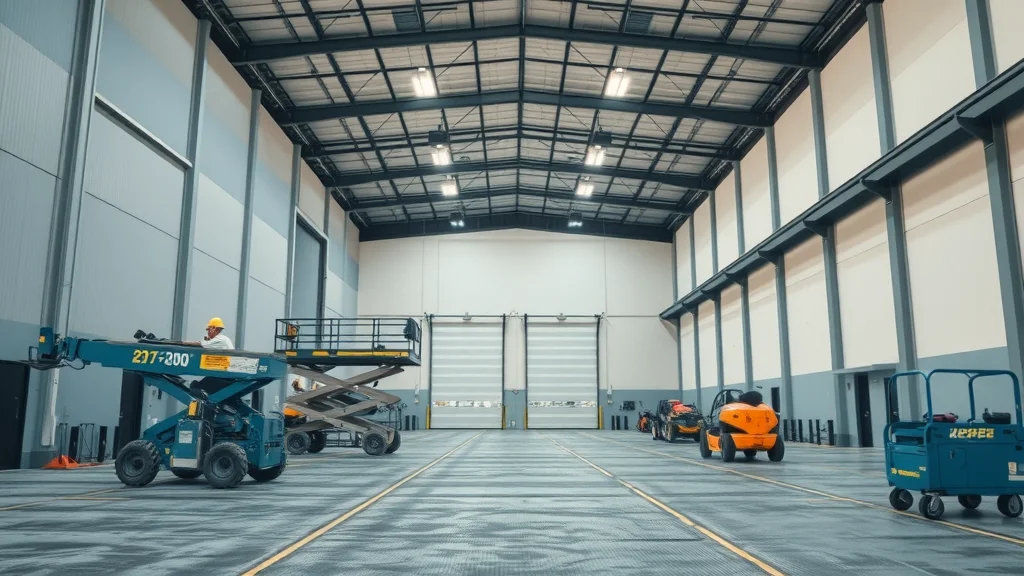
What You’ll Learn in This Guide to Industrial Painting versus Commercial Painting
-
Key distinctions between industrial painting versus commercial painting
-
Applications and industries served
-
Cost factors for various painting jobs
-
Longevity and durability comparisons
-
Expert tips for selecting painting services
Understanding the Difference: Industrial Painting versus Commercial Painting
Defining Industrial Paint and Commercial Paint
Grasping the fundamentals of industrial paint and commercial paint is crucial for specifying the right solution for your painting project. Industrial paint is formulated primarily as a protective coating against corrosion, chemicals, high temperatures, and wear—ideal for environments like manufacturing plants, warehouses, and process facilities. These coatings often use advanced formulas such as epoxy or polyurethane and involve rigorous surface preparation methods.
Conversely, commercial paint emphasizes aesthetics and a smooth, professional finish, suitable for offices, retail stores, schools, and hospitality spaces. While commercial paints maintain a level of durability, their primary role is to create visually appealing and easy-to-clean surfaces that enhance the customer experience and reflect the business’s brand. Understanding the difference in their formulation and intended use ensures your painting job stands up to the demands of its environment.
| Comparison Table: Industrial Paint vs. Commercial Paint | ||
| Aspect | Industrial Paint | Commercial Paint |
|---|---|---|
| Surface Preparation | Extensive; may require sandblasting or specialized cleaning | Standard prep; patching, sanding, priming |
| Types of Paint | Epoxy, urethane, high-performance coatings | Acrylic, latex, enamel, low-VOC options |
| Application Techniques | Spraying, powder coating, heavy-duty rollers/brushes | Rolling, brushing, spraying |
| Typical Uses | Factories, warehouses, chemical plants, heavy industry | Offices, retail spaces, schools, medical facilities |
Difference Between Industrial Painting and Commercial Painting Explained
The most significant difference between industrial and commercial painting centers on their purpose and the environments in which they’re applied. Industrial painting focuses on creating robust barriers that resist chemicals, abrasion, and harsh weather, essential for heavy-use facilities. These painting jobs demand high-performance solutions to minimize downtime and maximize protection in settings where failure could mean costly repairs or safety risks.
On the other hand, commercial painting blends visual appeal with practical protection. A commercial painter works to enhance the appearance of a space, such as a reception area or restaurant, while ensuring daily wear and tear don’t quickly diminish the finish. Techniques, compliance requirements, and paint selection all differ, and the outcome directly influences first impressions, customer experience, and the maintenance workload.
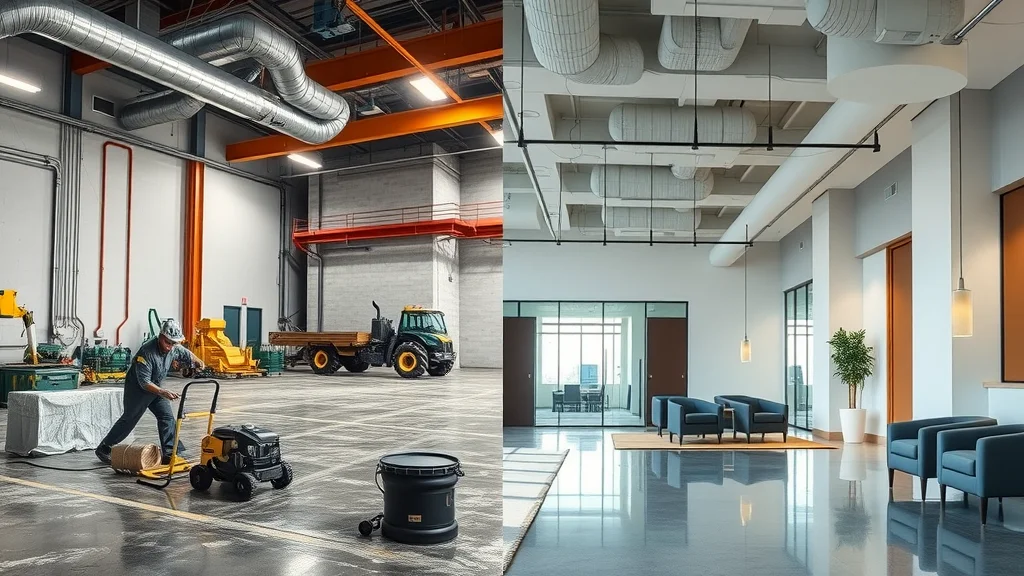
“Selecting the right painting service ensures your facility’s long-term durability and appeal.”
Core Applications of Industrial Painting versus Commercial Painting
-
Industrial Facilities (plants, warehouses)
-
Commercial Spaces (offices, retail, schools)
-
Specialized Environments (food-grade, medical, high-wear environs)
Industrial and Commercial Painting: Industry-Specific Solutions
In industrial facilities, painting goes far beyond simply adding color to walls. Plants, warehouses, and production floors require coatings that guard against corrosion, withstand high temperatures, and resist chemical spills or mechanical impact. Here, industrial paint not only extends the lifespan of infrastructure but also reduces maintenance costs and supports regulatory compliance.
For commercial painting, versatility is key. Whether updating the look of a retail store, creating a welcoming office environment, or providing resilient finishes for a school, commercial paint addresses both branding and protection. In specialized settings—such as food processing or hospitals—painting services must use types of paint that meet strict health and safety codes, blending industrial durability with commercial aesthetics to create custom solutions for each project.
Surface Preparation in Industrial Painting versus Commercial Painting
The Role of Surface Preparation for Painting Projects
Surface preparation is a defining step in any painting project, but it carries different weight in industrial and commercial painting. Industrial painting typically requires in-depth surface prep, which can include abrasive blasting, degreasing, and the use of corrosion inhibitors. This attention to detail ensures the industrial paint adheres properly and achieves its full protective potential, especially in challenging environments.
With commercial painting, surface prep is still essential—think sanding, patching, and priming—but is generally less invasive compared to the industrial context. However, the quality of this preparation sets the foundation for a smooth finish and long-lasting appearance. Regardless of the type of painting, investing in thorough surface preparation guarantees optimal results, extending the lifespan and appearance of both commercial and industrial settings.

Expert Industrial Painters and Best Practices
A professional industrial painter brings specialized skills and tools to every painting job, relying on a deep understanding of material behavior, environmental factors, and project scale. Best practices include meticulous inspection and preparation of surfaces, precise application of protective coatings, and close adherence to safety and environmental standards. These experts frequently use advanced equipment—such as airless sprayers or specialized lifts—to tackle large or high-risk areas efficiently.
For commercial and industrial painting providers, staff training, attention to client requirements, and routine on-site quality checks are essential. By trusting painting services with proven experience across both settings, you safeguard your investment in both aesthetics and infrastructure protection.
“A flawless finish starts with expert surface preparation—a cornerstone of industrial and commercial painting.”
Types of Paint Used in Industrial Painting versus Commercial Painting
Choosing the Right Solution: Industrial Paint vs. Commercial Paint Formulations
-
Epoxy coatings
-
Polyurethane paints
-
Acrylics
-
Enamels
-
Specialty formulations for unique industrial/commercial needs
Selecting the right types of paint is more than a technicality—it’s a strategic choice that affects cost, performance, and safety. Industrial paint must withstand harsh chemicals, frequent cleaning, and extreme conditions, making epoxies and polyurethanes popular choices. These coatings provide superb adhesion and resist abrasion, ideal for high-traffic, high-risk industrial settings.
Commercial paint options include acrylics and enamels that come in a wide range of colors and finishes. They’re designed to be attractive, washable, and durable enough for everyday wear. For spaces like restaurants or healthcare facilities, specialty paints that block stains, resist microbes, or are easy to sanitize become essential. Matching the formulation to your facility’s challenges ensures the painting project delivers both immediate appeal and long-term value.
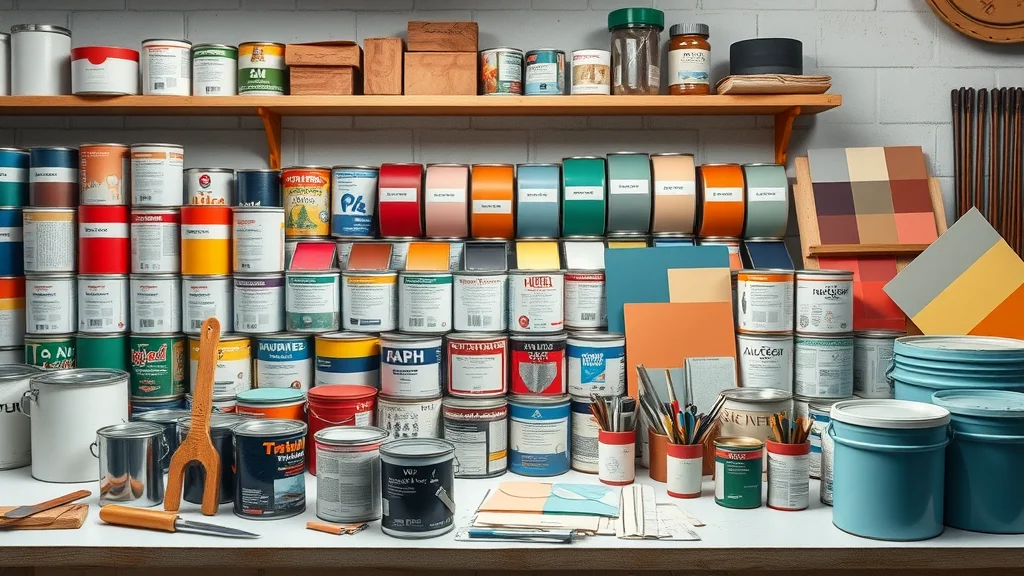
Durability and Maintenance: Industrial Painting versus Commercial Painting
Longevity, Maintenance Demands, and Cost Efficiency
The longevity of a painting job is determined by the match between paint type, surface preparation, and environmental stressors. Industrial painting jobs are engineered for service intervals measured in years—even decades—reducing operational downtime through resilient finishes that laugh off abrasion, heat, and chemicals. Maintenance schedules for industrial coatings may be more rigorous, but routine touch-ups are rare if the job starts with proper prep and application.
By contrast, commercial painting projects often focus on maintaining a fresh, clean appearance and updating branding as spaces evolve. While commercial paints are durable, frequent foot traffic or environmental changes may necessitate periodic repainting. On balance, the up-front cost of industrial painting is typically higher, but the lifecycle savings—fewer repaints and repairs—provide tangible returns for large-scale facilities or demanding industries.
Painting Services Comparison: Industrial and Commercial Needs
How Professional Painting Services Impact Results
Expert painting services play a pivotal role in delivering successful projects, regardless of whether the setting is industrial or commercial. Providers for industrial painting bring deep technical know-how, advanced equipment, and familiarity with the logistical challenges of large, complex facilities. Their work is often subject to strict industry regulations and may include containment, specialized prep, and multi-layer coatings for maximum resilience.
Commercial painters, by comparison, excel at efficiency, neatness, and adaptability. They understand how to minimize disruption to business activities, communicate design choices, and work within tight timelines. Choosing the set of painting services best suited to your sector ensures you receive a finish that supports your mission, whether that means durability or dynamic visual impact.
| Provider Comparison: Industrial Painters vs. Commercial Painters | ||
| Provider Qualities | Industrial Painters | Commercial Painters |
|---|---|---|
| Expertise | Technical, certified, compliance-focused | Creative, design-oriented, practical |
| Equipment | Heavy-duty sprayers, lifts, PPE, industrial prep tools | Standard sprayers, rollers, brushes, masking tools |
| Project Scale | Large factories, warehouses, infrastructure | Offices, retail, hospitality, schools |
Project Costs for Industrial Painting versus Commercial Painting
Key Factors That Influence Painting Project Budgets
-
Material choice
-
Surface preparation complexity
-
Facility size
-
Timeframes
-
Regulatory compliance
The cost of a painting project hinges on several factors. Material costs vary widely: industrial coatings are generally pricier due to their advanced formulas, while commercial paints offer a more affordable range suited for wider color selections. The extent of surface preparation required significantly impacts labor time and, thus, overall price.
Facility size, scheduling challenges, and the necessity for after-hours or phased work can also increase costs. Additional compliance requirements, such as food-grade certifications or worker safety protocols, introduce specific expenses to industrial painting projects that wouldn’t affect a typical office or retail paint job.
How Much Should It Cost to Paint 1,000 sq ft? (Commercial vs. Industrial Painting)
For a standard 1,000 sq ft project, expect commercial painting costs in the range of $1,500 to $3,000. Industrial painting, owing to more rigorous preparation, specialized labor, and premium coatings, runs higher—usually $2,000 to $5,000. Each painting job is unique: intricate surfaces (like machinery or structural steel), compliance documentation, or hazardous environment protections will further influence the total price.
Always seek a detailed estimate from providers experienced in your sector, as transparent breakdowns help you evaluate value and ensure no corners are cut in either product or process.

| Sample Cost Breakdown for Commercial and Industrial Painting Services (per 1,000 sq ft) | ||
| Expense Category | Commercial Painting | Industrial Painting |
|---|---|---|
| Materials | $400 – $700 | $600 – $1,200 |
| Surface Preparation | $150 – $350 | $300 – $800 |
| Labor | $800 – $1,500 | $1,000 – $2,500 |
| Compliance, Safety, Special Equipment | $100 – $450 | $300 – $900 |
| Total | $1,500 – $3,000 | $2,000 – $5,000 |
People Also Ask: What is the Difference between Industrial Paint and Commercial Paint?
Answer: Industrial paint is engineered mainly for resilience in harsh environments, while commercial paint prioritizes aesthetics and moderate durability. Application methods, chemical composition, and end uses are the major points of distinction.
People Also Ask: What is Considered Commercial Painting?
Answer: Commercial painting refers to painting services provided for business-oriented buildings and spaces such as offices, retail, hospitality, and schools, focusing on appearance and functionality.
People Also Ask: Are Industrial Painters in Demand?
Answer: Industrial painters are increasingly in demand due to expanding infrastructure and the ongoing need for corrosion protection and compliance across industries.
People Also Ask: How Much Should It Cost to Paint 1000 sq ft?
Answer: Costs vary by project type, with commercial painting averaging $1,500-$3,000 and industrial painting $2,000-$5,000 depending on coatings, complexity, and compliance needs.
FAQs: Industrial Painting versus Commercial Painting
-
How do I select the right provider for my painting project?
Choose a contractor with proven expertise in your project type (industrial or commercial), strong safety record, relevant certifications, and positive reviews. Ask about surface preparation methods and material selection to ensure they align with your requirements. -
What are the regulatory or compliance issues in industrial painting?
Industrial painting projects often need to meet OSHA standards, environmental codes, and industry-specific requirements (like food safety or anti-static coatings). Ensure your provider is familiar with local and industry regulations. -
Can commercial and industrial painting be handled by the same contractor?
Some companies specialize in both, but verify that their teams have the correct training and certifications to handle your particular project’s demands—especially in regulated environments. -
Is there a warranty or guarantee on painting services?
Many providers offer warranties (from one year to a decade or more), depending on the type of painting and coating systems used. Always get warranty terms in writing.
Watch: Difference Between Industrial and Commercial Painting Projects
See how industrial and commercial painting differ in action—from surface prep to project completion. (Video demonstrates safe, modern work practices and clear comparison visuals.)
Key Takeaways from Industrial Painting versus Commercial Painting
-
Industrial painting prioritizes durability and compliance
-
Commercial painting focuses on aesthetics and general protection
-
Surface preparation is crucial to both
-
Choosing the right provider ensures project success
Ready to Start Your Painting Project? Get Started with a Free Quote -https://colepainting.com/contact/or call(508) 799-9019.
In summary: Whether you need robust protection or a professional finish, understanding industrial painting versus commercial painting gives you the confidence to select the best provider, ensure long-term facility value, and realize the true potential of your investment.