
Did you know that fires cause over $2 billion in damages to commercial buildings every year in the U.S. alone? Whether you’re responsible for a bustling office park, a retail center, or a multi-tenant warehouse, ensuring optimal fire protection is one of the most important investments you can make. Fire resistant paint for commercial buildings isn’t just a smart choice—it’s rapidly becoming a necessity to safeguard property, protect lives, and maintain business continuity. This article reveals essential facts, actionable tips, and decision-making strategies so you can boost your building’s fire safety and compliance with peace of mind.
Startling Facts: The Urgent Need for Fire Resistant Paint for Commercial Buildings
“Fires cause over $2 billion in damages to commercial buildings each year in the U.S. alone. Choosing the right fire protection can mean the difference between recovery and devastation.”
In today’s rapidly growing urban environments, fire protection is a non-negotiable requirement for facility managers and business owners. Recent statistics indicate that commercial building fires are more prevalent than many realize, often leading to catastrophic financial loss and irreplaceable disruption. Fire resistant paint for commercial buildings is not just a line of defense—it’s a strategic advantage. By slowing down flame spread and minimizing smoke development, these coatings can directly affect the outcome of a fire emergency. The National Fire Protection Association identifies passive fire protection as a key component in modern safety strategies, with fire retardant coatings playing a vital role. Choosing the right fire resistant paint can be the difference between manageable recovery and total loss. It also ensures valuable time for evacuation and protects the building’s structural integrity—which is why more cities are hardening standards around fire safety and building code compliance.

What You’ll Learn About Fire Resistant Paint for Commercial Buildings
-
The science behind fire resistant paint for commercial buildings
-
Differences between fire resistant, fire retardant, and passive fire protection solutions
-
Where and how to use fire retardant coatings for optimal protection
-
Real-world benefits and cost analysis for commercial property managers
Understanding Fire Resistant Paint for Commercial Buildings
Fire resistant paint is an innovative solution engineered to withstand extreme heat and reduce the rapid spread of flames. The core ingredients often include intumescent coatings—specialized compounds that swell into a charred, protective barrier when exposed to high temperatures. This layer insulates the underlying materials, such as structural steel or wood, buying critical time during an emergency. Some intumescent products use epoxy intumescent blends, providing even more robust resistance.
Importantly, these coatings aren’t just effective—they are tested and approved to meet rigorous international building code and National Fire Protection Association (NFPA) standards. Compliance with building code requirements and test standards is not optional. Modern building owners are expected to utilize fire retardant coatings in high-risk areas. Fire ratings and fire resistance properties provide assurance that these coatings will provide vital fire protection when every second counts.
-
Main ingredients and how they work to slow combustion
-
Applicable building codes and standards
How Fire Resistant Paint for Commercial Buildings Supports Fire Protection
Passive fire protection is a cornerstone of modern safety strategies within commercial buildings. At its core, passive fire protection refers to built-in measures—like fire resistant paint for commercial buildings—that inhibit the advance of fire and smoke, even without active intervention. These protective coatings provide a barrier that slows down flame spread, helping contain fires to their source and minimize property damage. Unlike fire barriers or sprinkler systems that activate in response to heat, a properly applied intumescent fire paint is always “on,” offering continuous safeguarding for structural steel, wood, and drywall surfaces.
Understanding the distinction between fire retardant and fire resistant coatings is key. While both are vital for fire safety, fire retardant coatings are specially designed to delay ignition and reduce combustibility, whereas fire resistant coatings (“intumescent coatings”) go a step further by forming an insulating char layer when exposed to high temperatures. Both types of coatings play a vital role in a wide range of applications across commercial spaces. This layered approach delivers critical advantages, maximizing your building’s fire rating, ensuring code-compliance, and protecting investments.
-
Passive fire protection through fire resistant paint
-
Fire retardant vs. fire resistant coatings: Key differences

Fire Retardant and Fire Retardant Coating Solutions for Commercial Buildings
It’s important to select the right fire retardant coating or fire resistant paint for your specific building type and risk profile. Leading manufacturers offer intumescent paint and fire retardant coatings tailored for structural steel, exit corridors, and high-traffic zones. For structural steel, intumescent fire products expand in response to heat, preserving structural integrity and buying time for emergency first responders. In public areas and escape routes, fire retardant coatings provide vital control over smoke development and flame spread, increasing chances that occupants can safely evacuate.
Providers supply solutions designed for various substrates and requirements—from epoxy intumescent for high-load steel beams to low-VOC retardant coatings for sensitive public spaces. Each product undergoes test standards to confirm fire ratings and durability. Facility managers and contractors should assess the use cases for their commercial space, noting especially the cellulosic fire risk from paper, textiles, and flammable storage materials that often populate commercial zones.
-
Comparison of leading fire retardant coating solutions
-
Use cases in structural steel, common areas, and escape routes
Key Benefits of Fire Resistant Paint for Commercial Buildings
| Feature | Benefit |
|---|---|
| Reduced flame spread | Limits fire and smoke damage |
| Compliance with regulations | Meets building codes, insurance requirements |
| Easy application | Minimal business disruption |
| Longevity | Long-lasting protection for high-traffic zones |
-
Improved insurance premiums
-
Enhanced occupant safety
-
Stress-free code compliance
Applying fire resistant paint in your commercial facility not only reduces property risk but often results in lower insurance costs and easier approval from regulatory bodies. Property managers appreciate the ease of application, especially in retrofit scenarios where business downtime must be minimized. In high-traffic environments, these coatings provide long-lasting fire protection with low ongoing maintenance, supporting business continuity and assuring clients, tenants, and staff that they’re protected by the latest safety advances.
How to Choose the Best Fire Resistant Paint for Commercial Buildings
Selecting the right fire resistant paint starts with understanding the unique fire risks within your property. For instance, cellulosic fire risk is significant in office or retail settings due to the presence of paper, textiles, or wood. Assess whether your structure has exposed structural steel, which requires highly effective intumescent coating for uncompromising fire protection. Consult professional protective coatings suppliers who have experience matching fire retardant coatings with specific substrates and hazards.
Working with experts ensures that each area—whether stairwells, escape routes, or high-risk storage—gets the optimal product for its use case. Look for coatings that carry recognized fire ratings and are compliant with the international building code. Don’t hesitate to request product data sheets and third-party test reports to ensure you’re installing tested and approved solutions in your property.
-
Understanding cellulosic fire risk in your structure
-
Selecting intumescent coating for steel and vulnerable surfaces
-
Consulting with professional protective coatings suppliers
“Selecting the right fire resistant paint for your commercial building starts with understanding your fire risk profile.” — Industry Safety Expert
Common Applications of Fire Resistant Paint for Commercial Buildings
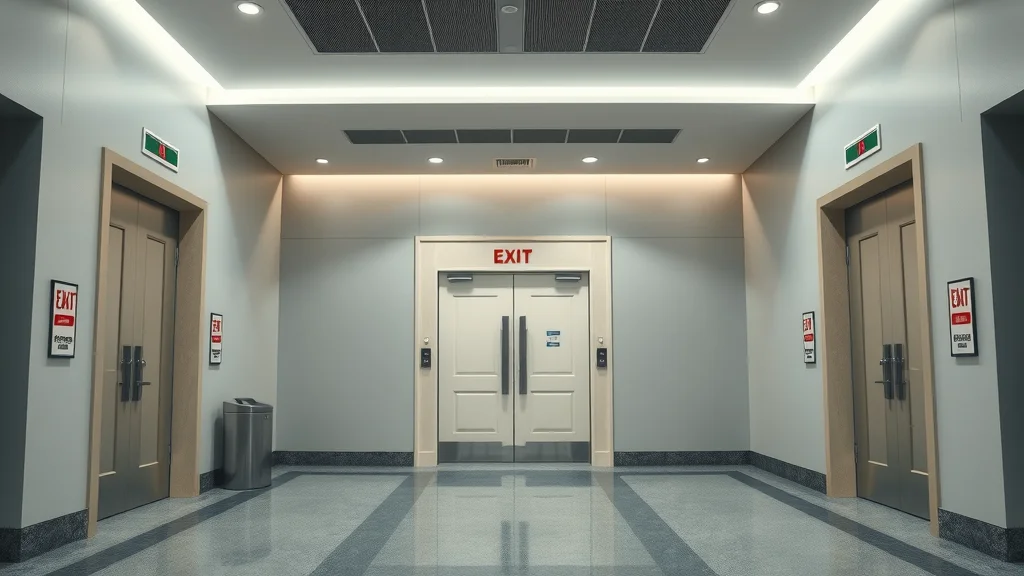
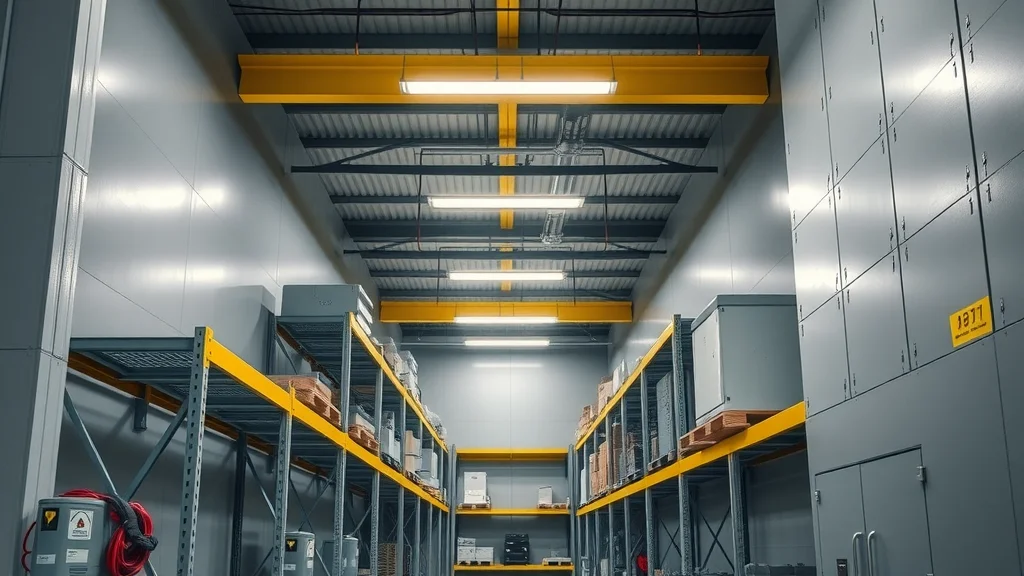
Fire resistant paint is versatile and suitable for a wide range of commercial applications. Structural steel and support beams benefit most from intumescent paint, which prolongs their load-bearing capacity during fire events—a must for multi-floor buildings or those with open atriums. Exit corridors and stairwells are critical escape pathways, and fire-resistant coatings help confine smoke and heat, improving occupant safety. Storage rooms housing paper, electronics, or chemicals pose elevated fire hazards and should be prioritized for coating. Public spaces where tenants and visitors congregate, such as lobbies and conference halls, further benefit from passive fire protection measures using fire resistant paint.
-
Structural steel and support beams
-
Exit corridors and stairwells
-
High-risk storage rooms
-
Public spaces in multi-tenant buildings
Best Practices for Applying Fire Resistant Paint for Commercial Buildings
For fire resistant coatings to be fully effective, meticulous application is crucial. Begin with thorough surface preparation—cleaning, sanding, and de-greasing surfaces to remove contaminants. Next, follow recommended application techniques; many intumescent coatings work best with specific spray, brush, or roller methods. Observe specified drying times and cure schedules, allowing each layer to form a resilient protective shield. Post-application, regular inspection and ongoing maintenance help ensure that your fire rating remains intact and your facility stays code-compliant.
Routine inspections, scheduled as part of your building’s fire safety plan, should focus on high-wear areas and touchpoints like stair rails, beams, and public corridors. This helps identify any deterioration early, allowing prompt reapplication where needed. Partner with credentialed commercial painters or maintenance providers versed in fire retardant coating systems for best results.
-
Surface preparation requirements
-
Recommended application techniques
-
Drying times and cure schedules
-
Inspection and ongoing maintenance

Fire Resistant Paint for Commercial Buildings: Cost Analysis & ROI
| Solution Type | Initial Cost | Longevity | Maintenance Cost | Typical ROI |
|---|---|---|---|---|
| Fire Resistant Paint | $$ | 10+ yrs | Low | High |
| Fire Barriers/Paneling | $$$ | 10 yrs | Medium | Moderate |
| Sprinkler System Upgrade | $$$$ | 20 yrs | Medium | High |
Fire resistant paint offers one of the highest ROI profiles among passive fire protection systems. The upfront cost is relatively modest, with coatings typically lasting a decade or more under normal conditions. Maintenance is simple and infrequent, which translates into minimal operational disruption and predictable ongoing costs. Compared with larger capital investments in fire panel systems or sprinkler networks, fire resistant paint for commercial buildings delivers exceptional value—both in regulatory compliance and tangible risk reduction.
Customer Reviews and Expert Opinions on Fire Resistant Paint for Commercial Buildings
“After a fire in our storage area, we saw first-hand how fire resistant paint for commercial buildings saved our equipment and protected our staff.” — Property Manager, Boston MA
-
Real-life testimonials from building managers
-
Citations from fire protection experts
Facilities managers across the country echo these positive results, especially in properties subject to regular fire inspections or in regions with strict international building code requirements. Experts in fire protection highlight the role of fire retardant coatings in extending evacuation windows and reducing insurance claims. Collaborative partnerships between property owners and protective coatings suppliers ensure optimal product specification and code compliance for every unique commercial environment.
People Also Ask About Fire Resistant Paint for Commercial Buildings
What paints are fire resistant?
Fire resistant paints, also known as intumescent coatings, are specifically formulated to withstand intense heat and slow the advance of flames on structural steel, drywall, and wood surfaces. Many commercial-grade intumescent paints are tested and approved to meet strict fire rating and building code requirements—ensuring reliable performance in the event of a fire. Additionally, fire retardant paints can delay ignition and reduce the combustibility of treated materials. Reputable brands offer solutions suitable for a wide range of commercial and industrial applications.
What is the difference between fire resistant paint and fire retardant paint?
The key difference lies in their action during a fire event. Fire retardant paint is designed to delay ignition, slow down combustion, and reduce smoke development—making it most appropriate for surfaces at risk of accidental exposure to flames. Fire resistant paint, often referred to as intumescent paint, actively forms an insulating char barrier when subjected to heat, protecting the structural integrity of elements like steel beams and support columns. Both play important roles in passive fire protection, but their specific applications and technologies vary depending on building needs.
What material is 100% fireproof?
In practical terms, no conventional construction material is entirely “100% fireproof,” especially under all conditions or extended heat exposure. However, materials such as concrete, brick, stone, and certain treated steels are inherently non-combustible and can dramatically increase a building’s overall fire resistance. When combined with fire retardant coatings and passive fire measures, these materials maximize performance during fire events and support code-compliant construction.
Is Sherwin Williams paint fire resistant?
Sherwin Williams and similar reputable coating manufacturers do produce fire resistant and fire retardant coatings specifically formulated for commercial use. It is essential to look for paints with explicit fire rating certifications, intumescent capabilities, and approval according to recognized test standards. Always verify that the selected products meet national fire safety and building code requirements for your location or application.
Fire Resistant Paint for Commercial Buildings: Key Takeaways
-
Fire resistant paint is a critical part of fire protection and passive fire strategies
-
Ensures safety, compliance, and cost-efficiency for all commercial buildings
-
Expert application and regular maintenance maximize benefits
FAQs: Everything You Need to Know About Fire Resistant Paint for Commercial Buildings
-
How often should fire resistant paint for commercial buildings be reapplied?
Most fire resistant paints last 10+ years under normal conditions. However, regular inspection is key—reapply if wear, abrasion, or renovation affects protection. -
Can fire resistant paint be combined with other fire protection solutions?
Absolutely. For comprehensive protection, combine fire resistant paint with active detection systems (like sprinklers) and physical fire barriers, following a layered safety approach. -
Are fire retardant coatings safe for indoor use?
Yes, reputable brands produce low-VOC, low-odor fire retardant coatings that are specifically tested and approved for interior applications where air quality and occupant safety matter.
Next Steps: Get Started with Fire Resistant Paint for Your Commercial Building
Ready to take the next step? Protect your building, your people, and your bottom line with industry-leading fire resistant paint solutions. Get Started with a Free Quote or call (508) 799-9019 today.
Watch this quick video to see how fire resistant paint protects your commercial building, from before-and-after fire scenarios to real-world footage of passive fire protection at work.
Fire resistant paint is a vital component of any commercial building’s safety plan—make an informed, proactive investment in long-term protection, code compliance, and peace of mind.
To enhance your understanding of fire-resistant coatings for commercial buildings, consider exploring the following resources:
-
Firefree 88® Intumescent Coating – Fire Rated Paint: This high-performance intumescent coating is designed for commercial and industrial applications, expanding upon heat exposure to form a protective barrier that slows flame spread and reduces heat transfer. (catalinapaintstore.com)
-
Fire Safe Paint | Intumescent Fireproof Coating for Steel & Wood: This resource offers insights into a certified, water-based intumescent paint suitable for both exterior and interior use, meeting international standards for non-combustibility and forming a protective barrier under heat. (firesafepaint.com)
If you’re serious about enhancing fire safety in your commercial building, these resources will provide valuable information on effective fire-resistant coatings.