
Did you know? Industry studies reveal that well-executed epoxy floor maintenance tips can add a decade or more to your floor’s lifespan—saving facilities tens of thousands of dollars in premature replacement costs. Whether you manage a bustling warehouse, a polished business lobby, or a high-traffic garage, the secret to a vibrant, glossy floor is simple: invest in a smart, consistent floor care routine. This guide delivers the practical insights, strategies, and checklists you need to protect your investment and unlock exceptional shine for your epoxy flooring.

Epoxy Floor Maintenance Tips: Why Proper Floor Care Matters
Keeping your epoxy floors in pristine condition isn’t just about good looks—it’s crucial for reducing operational costs, safeguarding safety, and extending the life of your flooring solution. Facility managers and business owners who prioritize regular floor maintenance benefit from fewer repairs, improved workplace aesthetics, and elevated staff and visitor confidence. Clean, well-kept epoxy flooring is less prone to cracks, stains, and slip hazards, ensuring your investment holds up against even the toughest industrial or commercial demands.
Neglect, on the other hand, leads to buildup of dirt and debris, diminished shine, and costly damage—troubles that can easily be prevented with proactive care. The right epoxy floor maintenance tips presented here will empower you to avoid common pitfalls, keep cleaning costs manageable, and enjoy a consistently shiny, safe surface for years to come.
“Proper epoxy floor maintenance can extend floor life by up to 50% while dramatically reducing replacement costs.”
What You’ll Learn About Epoxy Floor Maintenance Tips
-
Key epoxy floor maintenance tips for extending lifespan
-
Best practices for routine and deep cleaning
-
How to protect epoxy flooring in high-traffic and industrial environments
-
Common mistakes to avoid in floor maintenance
-
Strategies for maintaining shine and safety
Understanding Epoxy Flooring: The Science of Shine
What Makes Epoxy Floor Coating Durable and Glossy?
Epoxy floors are engineered for both beauty and endurance. The underlying science hinges on a chemical reaction between resins and hardeners, creating a resilient, seamless coating that bonds tightly to the substrate. This robust epoxy floor coating provides a scratch-resistant, chemical-resistant layer ideal for commercial and industrial settings. The result? A glossy, mirror-like finish that stands up to daily wear and tear, traffic, and cleaning—when you follow key epoxy floor maintenance tips.
The secret to lasting shine lies in the quality of materials as well as post-installation care. Proper floor maintenance keeps the surface smooth by warding off abrasive dirt and addressing spills quickly—preserving that high-gloss effect everyone admires. By choosing the right coating and establishing a regular maintenance program, you’ll ensure your epoxy flooring remains as impressive as the day it was installed.

Types of Floor Coating and Choosing the Right One
Selecting the correct type of floor coating is foundational to long-term epoxy floor care. Epoxy flooring options range from standard water-based coatings for light traffic, to high-solids commercial systems designed for manufacturing facilities or warehouses where durability and chemical resistance are top priorities. Some facilities even opt for decorative quartz or anti-slip additives based on specific needs.
The right choice depends on the demands of your space—high-impact garages, bustling retail stores, or sterile pharmaceutical labs have unique requirements. Consulting with a flooring expert ensures the correct epoxy coating is matched to your environment’s foot traffic, exposure level, and cleaning frequency. Investing in the proper system, and adhering to the right epoxy floor maintenance tips, means enjoying optimal performance with easier long-term upkeep.
| Comparison of Epoxy Floor Coating Types | |||
| Epoxy Coating Type | Durability | Best Use Cases | Maintenance Needs |
|---|---|---|---|
| Water-Based Epoxy | Moderate | Low-traffic areas, offices | Gentle cleanse, regular mopping |
| Solvent-Based Epoxy | High | Industrial spaces, garages, warehouses | Routine cleaning, deep clean quarterly |
| 100% Solids Epoxy | Maximum | Manufacturing facilities, heavy-duty commercial | Strict schedule, inspect for wear/chemical spills |
| Decorative Epoxy Systems | Variable | Showrooms, retail, public spaces | Frequent dust mopping, avoid harsh cleaners |
Routine Epoxy Floor Maintenance Tips for Every Facility
Daily and Weekly Epoxy Flooring Care Checklist
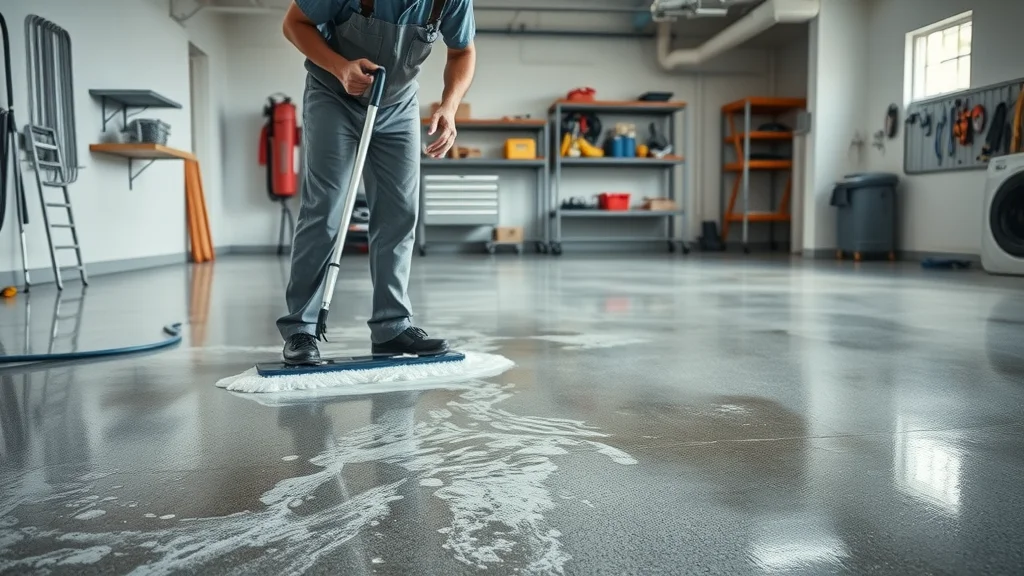
Consistent, simple routines are the backbone of lasting epoxy flooring performance. These epoxy floor maintenance tips will shield the surface from minor scratches, dirt buildup, and accidental damage. Each day, use a microfiber dust mop to sweep away dirt and debris, followed by a damp mop with warm water for a gentle cleanse. Spills—especially solvents or automotive fluids on a garage floor—should be addressed immediately to prevent stains from setting into the epoxy finish.
Weekly, examine the floor for abrasives like gravel or metal fragments, and make spot checks for wear or chemical etching. Don’t allow heavy objects to be dragged across the coating, as this can gouge even robust epoxy coatings. Encourage staff to always lift and place furniture or machinery. If you follow a routine floor maintenance checklist, your coated floor will remain vibrant and resilient for the long haul.
-
Dust mopping
-
Wet mopping
-
Spot cleaning spills
-
Checking for abrasives
-
Avoiding heavy objects dragging on the floor

Recommended Cleaning Agents for Floor Maintenance
The best epoxy floor cleaning relies on non-abrasive, neutral pH solutions. Harsh chemicals—such as ammonia, vinegar, or bleach—can dull the epoxy finish, damage the floor, or discolor the surface over time. Instead, choose a mild cleaning product designed specifically for epoxy flooring or use warm water with a dash of dish soap for everyday care. For persistent blemishes, a soft bristle brush (never metal) is ideal for working out stains without harm to the epoxy surface.
Avoid oil- or citrus-based degreasers, as these may break down the bond between the coat of epoxy and the concrete below. Always test any new cleaning solution on a small, inconspicuous area before applying across the entire floor. Following these epoxy floor maintenance tips supports both shine and longevity—allowing your flooring investment to stand the test of time.
Deep Cleaning Strategies and Tackling Stubborn Stains on Epoxy Floors
Pressure Wash or Scrubbing: When and How?
For areas with persistent grime—like loading docks or a frequently used garage floor—a deeper clean may be necessary. While you might consider a gentle pressure wash, always confirm your type of floor is compatible, as too much force can damage the epoxy coating. Alternatively, use a walk-behind or rotary floor scrubber with soft pads and a neutral cleaning solution for large, open spaces. Focus on lifting oil, grease, or tire marks while preserving the integrity of your epoxy flooring.
Tackling stubborn stains requires a step-by-step approach: remove loose dirt first, apply your cleaning solution, let it dwell briefly, then agitate with a soft bristle brush. Finish with a warm water rinse and dry the surface to prevent streaking or residue. These deep cleaning sessions should be scheduled within your broader maintenance program—typically quarterly or as dictated by traffic and usage intensity.
Heavy Objects and Epoxy Floors: How to Prevent Damage
Protecting Garage Floor and High-Impact Zones
One of the greatest threats to epoxy floor coating is ongoing exposure to heavy objects. Whether it’s machinery in a warehouse, tool cabinets in a garage floor, or filing systems in a business lobby, the risk of scratches, gouges, and denting is real. Preventative measures are crucial for keeping your epoxy floor flawless. Use rubber or felt pads beneath stationary equipment, and consider laying floor mats in areas subject to dropping tools or constant wheel traffic.
Staff should avoid dragging equipment or pallets across the epoxy coating, and always use hand trucks with soft, non-marking wheels. Regularly inspect for chips or stress marks, especially under heavy objects, and address even small imperfections immediately to prevent them from growing. By integrating these habits into your epoxy floor maintenance tips, your most vulnerable zones will remain safe, shiny, and functional.
Essential Floor Maintenance Program for Long-Lasting Shine
Creating a Maintenance Schedule for Epoxy Flooring
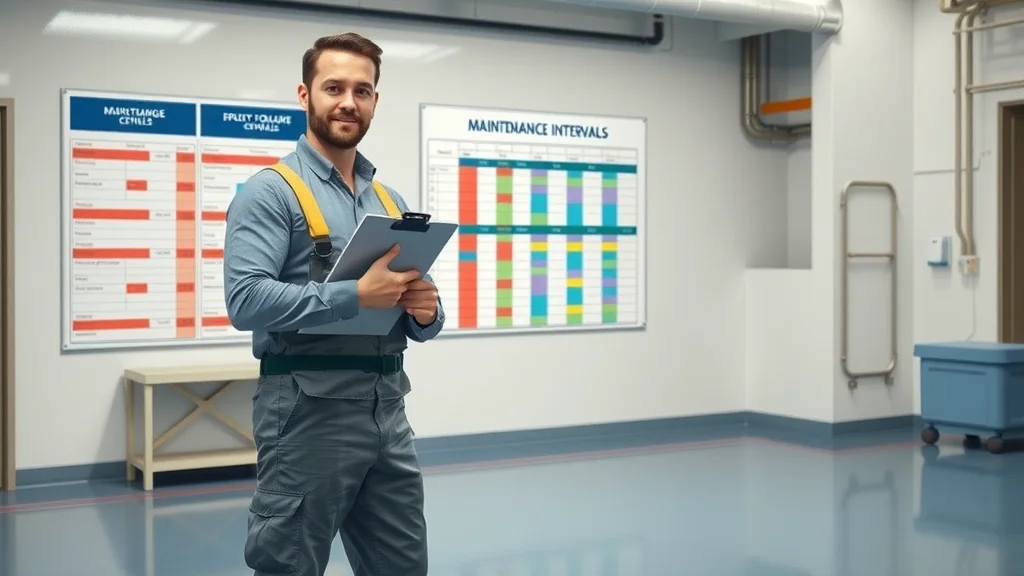
A structured maintenance program is the single best defense against premature wear and dullness. Start by mapping out daily, weekly, monthly, and quarterly tasks—dust mopping, wet mopping, inspections, and periodic deep cleans. Assign clear responsibilities to team members and keep track of completed tasks with a visible chart or digital calendar. For facilities like manufacturing sites or car dealerships, step up the frequency of cleaning, as airborne particles and fluid spills are more common.
Integrating routine spot checks into your floor maintenance program makes it easy to catch minor issues before they become expensive repairs. Consistent attention keeps your epoxy surface looking new and maximizes life expectancy. By customizing the schedule based on traffic, operational hours, and specific hazards, you’ll find epoxy floor care manageable and rewarding.
Signs It’s Time for Epoxy Floor Resealing
Even the toughest epoxy flooring will eventually show signs of age. Loss of gloss, increased slipperiness, visible scratches, or exposed patches of concrete signal it’s time for resealing. High-traffic areas and spaces with heavy object movement wear out faster, especially near entrances or under parked vehicles on a garage floor. Faded color or stubborn stains that don’t respond to cleaning solutions also indicate your protective layer is reaching its limit.
Plan to reseal or recoat your epoxy floor every 2–5 years based on use, or immediately if you notice peeling or bubbling. Proactive resealing restores shine, enhances safety, and fortifies your floor care investment. Don’t wait for major failures—resurfacing on schedule delivers both cosmetic and structural rewards.
Video Resource:Step-by-Step: How to Deep Clean Your Epoxy Floor—Visual Guide
Common Floor Care Mistakes to Avoid with Epoxy Floor Coating
-
Using harsh chemicals
-
Allowing heavy objects to remain stationary
-
Neglecting routine cleaning
-
Failing to address chips or scratches immediately
-
Skipping regular maintenance programs
Avoiding these pitfalls is crucial. Misusing powerful solvents, leaving heavy equipment unmoved, and overlooking minor flaws can quickly undermine even the best epoxy floor coating. Take a preventative, not reactive, approach for best results in all environments.
Epoxy Floor Maintenance Tips for Different Types of Facilities
Epoxy Flooring for Garages, Warehouses, and Business Spaces
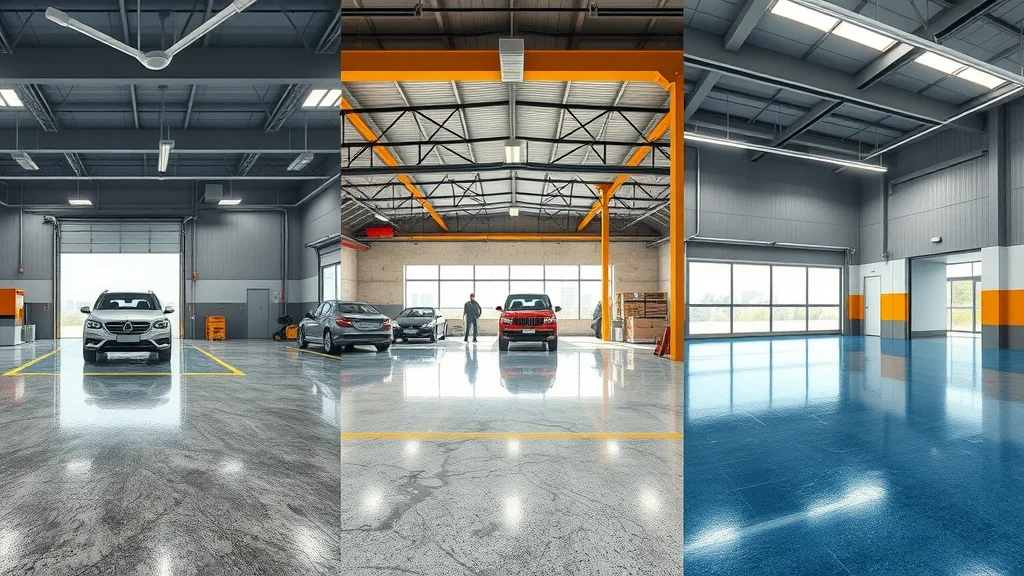
Effective epoxy floor maintenance tips must be tailored for each unique setting. In garages, floors face tire marks, motor oil, and shifting/storage of bulky items. Warehouses demand swift spill management and strong resistance to high-impact objects and forklifts. Business spaces prioritize aesthetics—requiring frequent dusting and prompt removal of coffee, ink, or foot traffic stains. Each facility type influences the right cleaning agents, schedule, and protective measures you deploy.
A one-size-fits-all approach rarely works. For example, using a pressure wash may be suitable in a ventilated garage or industrial warehouse but could risk damage on a decorative office floor with intricate textures. Adapting your floor care protocol to match your environment ensures optimal longevity and shine.
Tailoring Floor Maintenance Programs by Facility Type
Customizing your maintenance program optimizes results and minimizes disruptions. High-traffic industrial spaces may require twice-daily mopping and bi-weekly deep cleans, while offices could focus on spill prevention and regular light cleaning. Manufacturing facilities benefit from quarterly safety audits to inspect for chemical damage or abrasive debris accumulation.
Engage your cleaning staff or third-party contractor to review real-time floor conditions, update checklists, and strategize for seasonal changes. Collaboration ensures that your epoxy flooring remains durable, beautiful, and compliant with safety standards. Flexible programs adapt to the evolving needs of your specific workspace, supporting both costs and outcomes.
Video Resource:Interview: Experts Share Top Floor Coating and Maintenance Insights
People Also Ask: Epoxy Floor Maintenance Tips
How do you maintain epoxy flooring?
To maintain epoxy flooring, develop a regular cleaning schedule using a dust mop or soft-bristled broom for daily debris removal. Combine warm water with a gentle cleaning product for weekly mopping, and follow manufacturer recommendations for deep cleaning. Address spills promptly, avoid abrasive pads or harsh chemicals, and schedule resealing as needed. This approach maximizes surface gloss and extends the life of your floor coating.
What should you not clean epoxy floors with?
Epoxy floor surfaces should not be cleaned with acidic cleaners like vinegar, citrus-based solutions, strong bleaches, ammonia, or abrasive powders. These products can dull, discolor, or erode the protective epoxy finish. Stick with pH-neutral products specifically formulated for epoxy floor care to keep surfaces safe and shiny.
How often do epoxy floors need to be resealed?
The frequency of resealing depends on usage. For light-traffic areas, reseal every 3 to 5 years; for busy industrial spaces or garages, consider resealing every 2 to 3 years. Signs such as dullness, chalking, or scratches signal the need for a fresh protective layer. Timely maintenance preserves floor health and aesthetics.
What ruins an epoxy floor?
Several factors can damage epoxy floors: improper cleaning with harsh chemicals, heavy or sharp objects dragging across the surface, neglected cracks or chips, standing water, and infrequent cleaning cycles. Addressing these concerns with strategic epoxy floor maintenance tips minimizes risk and keeps your floor looking its best.
Key Takeaways for Effective Epoxy Floor Maintenance Tips
-
Consistent maintenance maximizes durability
-
Avoid harsh cleaning techniques
-
Scheduled resealing preserves shine
-
Tailor floor care to facility needs
Frequently Asked Questions: Epoxy Floor Maintenance Tips
-
Can I pressure wash my epoxy floor?
Yes, but only with a low-pressure setting and appropriate equipment. Avoid high pressure, which can damage most epoxy floor coatings. Always consult manufacturer instructions first. -
What cleaning agents are best for epoxy floor coating?
Neutral-pH, non-abrasive cleaners are ideal. Avoid ammonia, vinegar, citrus-based, or highly acidic solutions to protect the epoxy finish. -
How do I remove tire marks from a garage floor?
Use a soft scrub brush with a mild soap solution. Avoid steel wool or harsh chemicals, as these may damage the coating. -
Do epoxy floors require waxing?
No. Epoxy flooring does not require waxing, as the high-gloss finish is naturally built into the coating. Regular cleaning will maintain shine.
Ready to Protect Your Investment? Get Started with a Free Quote
Give your floors the care they deserve and ensure a long-lasting shine. Get Started with a Free Quote or call (508) 799-9019 today!
Maintaining the shine and durability of your epoxy floors is essential for their longevity. For comprehensive guidance, consider the following resources:
-
“7 Epoxy Floor Maintenance Tips to Keep It Looking New” (angi.com)
This article offers practical advice on regular cleaning routines, selecting appropriate cleaning products, and addressing spills promptly to preserve your floor’s appearance.
-
“6 Tips to Ensure Proper Epoxy Floor Coating Maintenance” (carboline.com)
This resource provides insights into daily sweeping practices, weekly scrubbing techniques, and the importance of immediate spill cleanup to maintain the integrity of your epoxy flooring.
By following the expert advice in these articles, you can effectively protect your investment and keep your epoxy floors looking pristine for years to come.