
Startling fact: More than $250 billion is lost globally every year to corrosion damage, impacting industrial settings more than any other sector. Are your facilities adequately protected? If you’ve ever worried about structural failures, sky-high repair bills, or safety risks, understanding anti-corrosion coatings in industrial painting is absolutely crucial. This guide reveals why strategic use of modern protective coatings isn’t just best practice—it’s urgent business sense.
A Surprising Truth About Anti-Corrosion Coatings in Industrial Painting
“Did you know that neglecting anti-corrosion coatings in industrial painting can lead to structural failures and skyrocketing maintenance costs within a few years?”
Many business owners and facility managers underestimate how quickly corrosion can take hold of unprotected steel surfaces. Protective coatings are often overlooked until visible rust and corrosion appear, but by then, the problem is usually advanced—compromising both safety and asset value. Anti-corrosion coatings in industrial painting are not just about appearance; they are pivotal layers of defense that extend service life and reduce recurring maintenance. This wakeup call is clear: Proactive use of corrosion protection coatings could save your business from unexpected downtime and expensive overhauls.
What You’ll Learn About Anti-Corrosion Coatings in Industrial Painting
-
The fundamentals of anti-corrosion coatings in industrial painting
-
How corrosion protection and protective coating technologies work
-
Types of protective coatings and their applications
-
Step-by-step process for applying anti-corrosion coatings
-
Common issues—and how to prevent them
-
How to select the right protective coatings for your industrial setting
Understanding Anti-Corrosion Coatings in Industrial Painting
What are Anti-Corrosion Coatings in Industrial Painting?
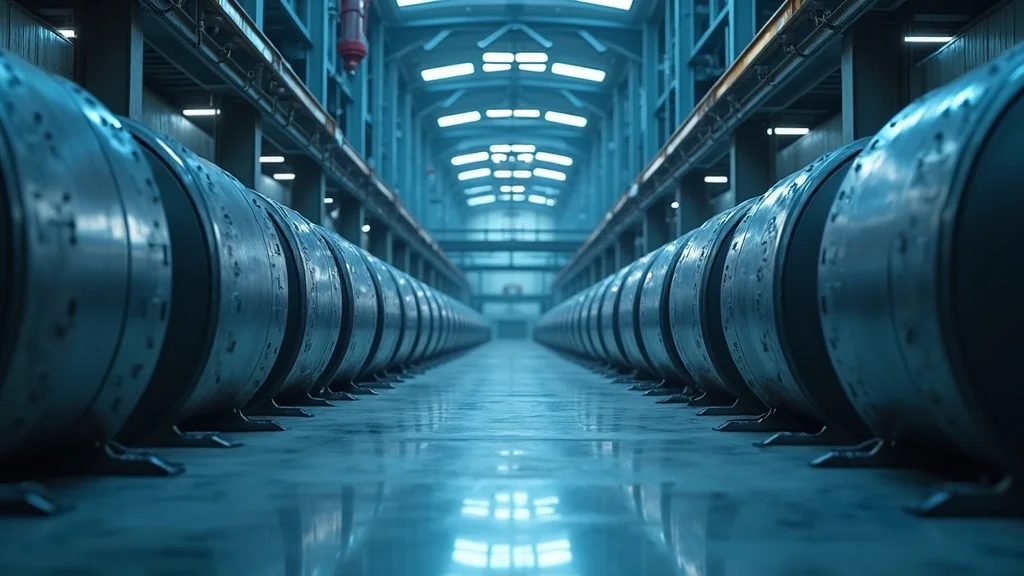
Anti-corrosion coatings in industrial painting are specialized layers formulated to block rust and environmental attack on metal surfaces. In demanding industrial settings, such as factories, warehouses, and oil and gas facilities, these coatings serve as a physical and chemical shield between critical infrastructure and the elements. Their job is to deliver corrosion protection, stopping contaminants like water, oxygen, and industrial chemicals from interacting with steel or metal substrates. By maintaining this effective barrier, facility managers can significantly extend the service life of assets, reduce repair cycles, and optimize operational efficiency. Whether your concern is heavy rust, high-temp environments, or the daily onslaught of humidity and chemicals, choosing the right protection coating is the first line of defense every asset needs.
The Science Behind Corrosion Protection Coatings
At the core of anti-corrosion coatings in industrial painting is a blend of physical and chemical technologies. These protective coatings often utilize epoxies, polyurethane, or zinc-rich primers to offer different strengths for various corrosion challenges. The principle is simple: isolate the metal surface from corrosive substances. Some coatings, like zinc-rich primers, operate through sacrificial protection—zinc corrodes instead of steel, leaving the underlying structure intact. Others, including advanced epoxy coatings and powder coating options, create impermeable seals that resist chemical attack, temperature extremes, and mechanical abrasion. By understanding and applying these scientific principles, facility managers can dramatically influence maintenance schedules and asset reliability, proving the direct link between corrosion protection coatings and long-term industrial success.
Importance of Corrosion Coatings and Protective Coatings
Why Every Industrial Setting Should Prioritize Corrosion Protection
Prioritizing corrosion protection isn’t just about keeping surfaces clean—it’s about ensuring operational safety, preserving capital investments, and maintaining regulatory compliance in industrial settings. Unchecked corrosion can lead to severe asset degradation, resulting in dangerous working conditions, unexpected shutdowns, and massive revenue losses. By investing in the right protection coating systems, industrial stakeholders proactively safeguard against heavy rust, chemical damage, and structural weakness, saving valuable resources over time. For industries operating in demanding scenarios—such as the oil and gas sector or areas exposed to direct sunlight and high humidity—using proven protective coatings becomes mission-critical for sustainable operations.
Consequences of Skipping Corrosion Protection Coatings
Ignoring the need for quality anti-corrosion coatings in industrial painting comes with serious consequences. Structural failures, process shutdowns, and contamination risks become all but inevitable if steel surfaces and infrastructure aren’t properly protected. Deteriorated assets not only diminish operational efficiency but can spiral into liability concerns and tarnish business reputations. As industrial surfaces deteriorate, so do energy efficiency and product throughput—often resulting in a much shorter service life for equipment. The cost of reactive repairs and emergency interventions far exceeds the investment in preventive corrosion protection coatings. In short, skipping corrosion protection is a risk no modern facility manager should take.
“Corrosion isn’t just a surface issue—it impacts safety, asset value, and business reputation.”
Types of Anti-Corrosion Coatings in Industrial Painting
Epoxy Coating and Epoxy Coat: A Durable Protective Solution
Epoxy coatings are widely recognized as one of the most durable and chemically resistant protective solutions available for industrial use. These coatings consist of a two-part system—resin and hardener—which, when mixed, undergo a curing process to form a robust, bonded epoxy barrier. Perfect for steel surface applications in chemical plants and high temp environments, epoxy coat systems offer extended service life, exceptional mechanical strength, and resistance to a wide range of aggressive agents. Facility managers favor epoxy coating for floors, tanks, and pipelines, knowing that its dense cross-linking structure blocks moisture and corrosives from reaching the metal surface. Whether facing heavy pedestrian traffic or aggressive wash-down cycles, epoxy coatings provide long-lasting corrosion resistance and are a staple in professional industrial painting.
Powder Coating for Industrial Steel Surfaces
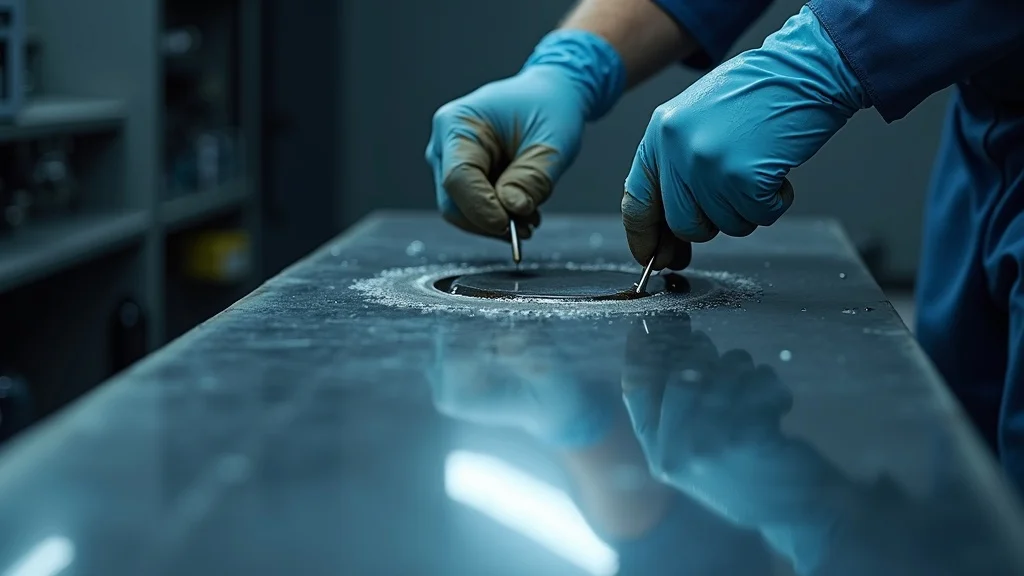
Powder coating stands out as a high-performance option for industrial steel surfaces where aesthetics, flexibility, and corrosion resistance are priorities. This process involves electrostatically applying fine powder pigment to the metal surface, then curing it under heat to create a uniform, durable, and resistant coating. Unlike liquid paints, powder coatings offer thicker coverage without dripping or sagging, yielding a scratch-resistant, color-stable barrier that shields against both environmental and mechanical stressors. This coating type is ideal for machinery, outdoor fixtures, and steel structures exposed to UV light, humidity, or harsh chemicals. Powder coating applications are known for minimal environmental impact, low volatile organic compounds (VOCs), and providing exceptional corrosion and impact resistance—delivering decades of performance in challenging industrial settings.
Zinc-Rich Primers and Their Role in Corrosion Protection
Zinc-rich primers offer a unique blend of primer and sacrificial protection. Formulated with a high concentration of zinc dust, these coatings ensure that the zinc particles act as the first line of defense against corrosion—a process called cathodic protection. When applied to steel surfaces, the zinc corrodes preferentially, protecting the underlying steel even if the topcoat is damaged. Widely used in oil and gas infrastructure, marine applications, and industrial facilities subject to aggressive atmospheres, zinc-rich primers provide excellent adhesion for subsequent protective coatings and extend overall service life. By integrating zinc-rich primer layers into a comprehensive coating system, facility managers can effectively bridge the gap between heavy-duty corrosion protection and practical, maintenance-friendly application.
| Comparison of Protective Coatings: | |||
| Coating Type | Durability | Application Method | Best For |
|---|---|---|---|
| Epoxy Coating | High | Brush, Spray | Chemical Industries |
| Powder Coating | Very High | Electrostatic | Steel Surfaces |
| Zinc-Rich Primer | Moderate | Spray | Oil & Gas Infrastructure |
Surface Prep: The Foundation for Effective Anti-Corrosion Coatings in Industrial Painting
Preparing Steel Surfaces for Protective Coatings
The success of anti-corrosion coatings in industrial painting hinges on meticulous surface prep. Proper preparation ensures that the coating bonds tightly to the steel surface, preventing gaps and weaknesses that let rust and corrosion in. Professional contractors start by inspecting for contaminants, old paint, and heavy rust, then select the right cleaning or profiling method. For example, abrasive blasting removes mill scale, old coatings, and corrosion while leaving a textured finish for enhanced mechanical bonding. Skipping or rushing this step leads to premature coating failures—wasting both time and operational budgets. Whether the application is a new installation or the refurbishment of aging infrastructure, investing in expert surface prep is non-negotiable for every protection coating system.
Surface Prep Methods: Abrasive Blasting vs. Chemical Cleaning
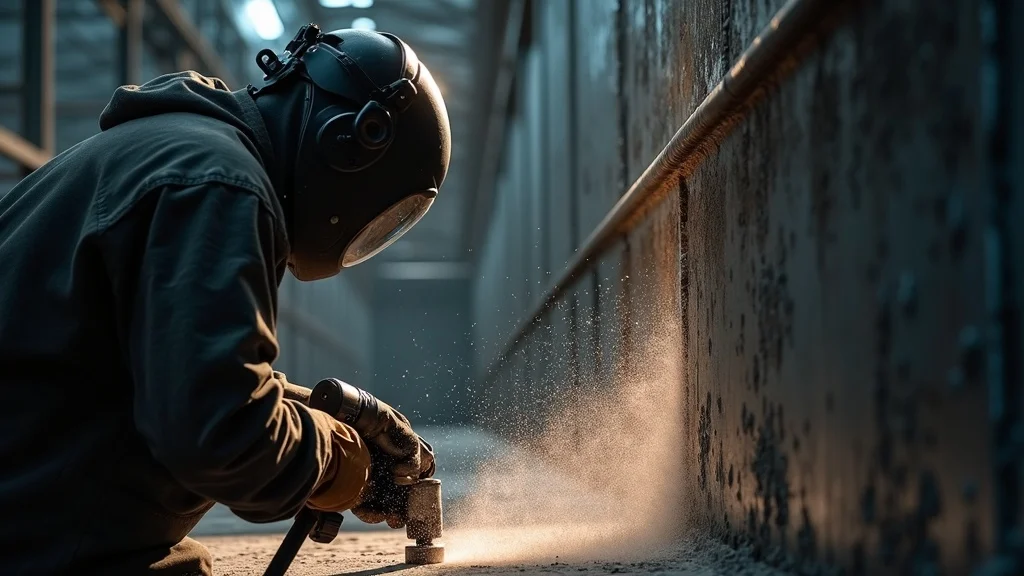
Two main methods dominate surface prep: abrasive blasting and chemical cleaning. Abrasive blasting uses high-velocity sand, grit, or steel shot to physically strip away corrosion, old coatings, and debris from the metal surface, leaving a pristine but roughened profile ideal for “grabbing” new protective coatings. Chemical cleaning involves degreasers, acids, or alkali solutions to dissolve and wash away oils, grease, and rust that would otherwise interfere with coating adhesion. Facility managers must match the surface prep technique to the specific coating type, surface condition, and industrial setting. Advanced projects often combine both methods for optimum results. Whether you’re aiming for a bonded epoxy system or preparing for a powder coat, precise surface prep is the critical foundation that sets the stage for long-term corrosion protection in every industrial application.
Step-by-Step Guide to Applying Anti-Corrosion Coatings in Industrial Painting
Best Practices for Applying Anti-Corrosion Coatings
Achieving peak performance with anti-corrosion coatings in industrial painting begins with following a carefully sequenced application process. First, make sure surface prep is completed according to coating manufacturer specifications, including specific cleanliness and roughness standards. Next, apply primers such as zinc-rich based primers if dictated by the project’s exposure conditions. Use industry-approved tools like brushes, rollers, or specialized sprayers to ensure even, consistent coverage—avoiding thin spots or pooling. Allow each coat to cure fully before applying the next, adhering to recommended times and environmental conditions, such as temperature and humidity. For two-component coatings like epoxy coat, ensure thorough mixing and only prepare batches that can be used within their pot life. Careful attention to these steps will dramatically improve both the resistance and longevity of your protective coatings.
Quality Control for Corrosion Protection Coatings in Industrial Settings
Effective quality control is essential after applying anti-corrosion coatings. Inspections should verify that coating thickness, adhesion, and cure levels meet manufacturer guidelines and industry standards. Use standardized tests such as dry film thickness gauges, adhesion pull-off tools, and holiday detectors to check for pinholes or voids that compromise protection. Maintain detailed records of all processes, environmental conditions, and application parameters for regulatory compliance and warranty validation. Partnering with experienced industrial painting contractors ensures that even complex multi-layer systems—such as bonded epoxy overlays, powder coating, or elastomeric coatings—are correctly applied and thoroughly documented, making maintenance, upgrades, and repairs straightforward for the life of the asset.
Common Challenges in Maintaining Protective Coatings in Industrial Settings
Dealing with Adherence Issues: Steel Surface and Coating Compatibility
One major obstacle for facility owners is adherence failure between the steel surface and the selected anti-corrosion coatings. Reasons include improper surface prep, incompatible coating type, or quick recoat intervals that don’t align with the curing process. These adherence issues can manifest as peeling, blistering, or early coating degradation, creating pathways for rust and corrosion. It is critical to match the protection coating chemistry to both the intended use and the unique surface characteristics. For example, aged or galvanized steel may need different surface prep or primer strategies than fresh structural steel. Consulting coating system manufacturers and experienced professionals reduces the risk of failed or short-lived protective coatings, ultimately ensuring the integrity and safety of your assets.
Environmental Stresses and Long-Term Corrosion Protection
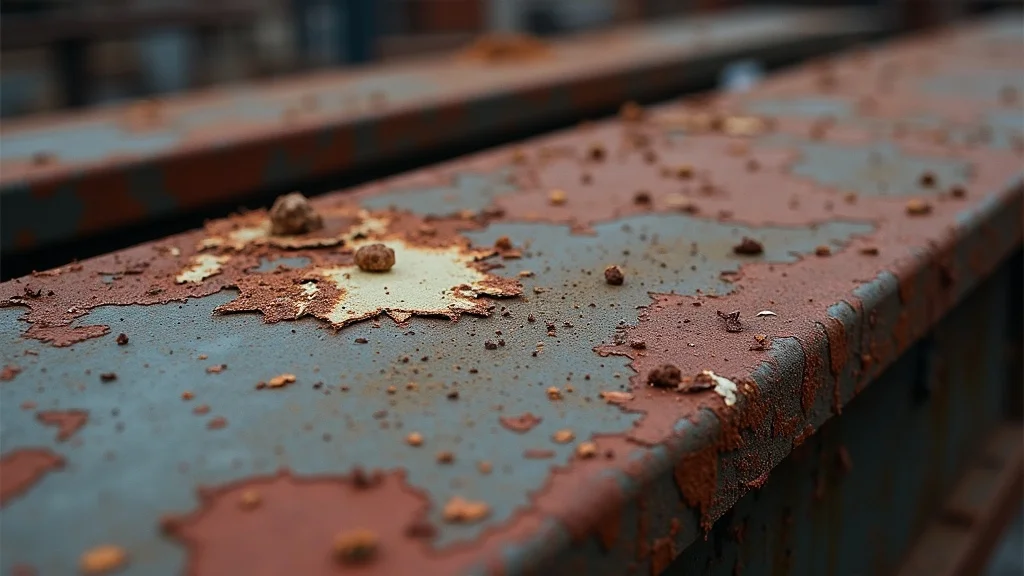
Industrial environments pose a wide range of stresses that challenge even the most advanced anti-corrosion coatings in industrial painting. Exposure to chemicals, high humidity, salt spray, direct UV, and frequent temperature cycling can accelerate breakdown in protective coatings. Some facilities may face extra demands such as constant abrasion or microbial growth, requiring specialized coating solutions with enhanced chemical resistance or elastomeric flexibility. Long-term protection is not a one-time fix but an ongoing process, involving regular inspections, touch-ups, and early intervention as soon as any damage or wear is observed. By recognizing environmental threats and planning sustained maintenance, facility managers can avoid costly asset failures and defend their operations against the relentless march of time.
“The secret to lasting corrosion protection? Continuous maintenance and early intervention.”
Industry-Specific Uses: Protective Coatings in Oil and Gas
Unique Coating Requirements for Oil and Gas Facilities
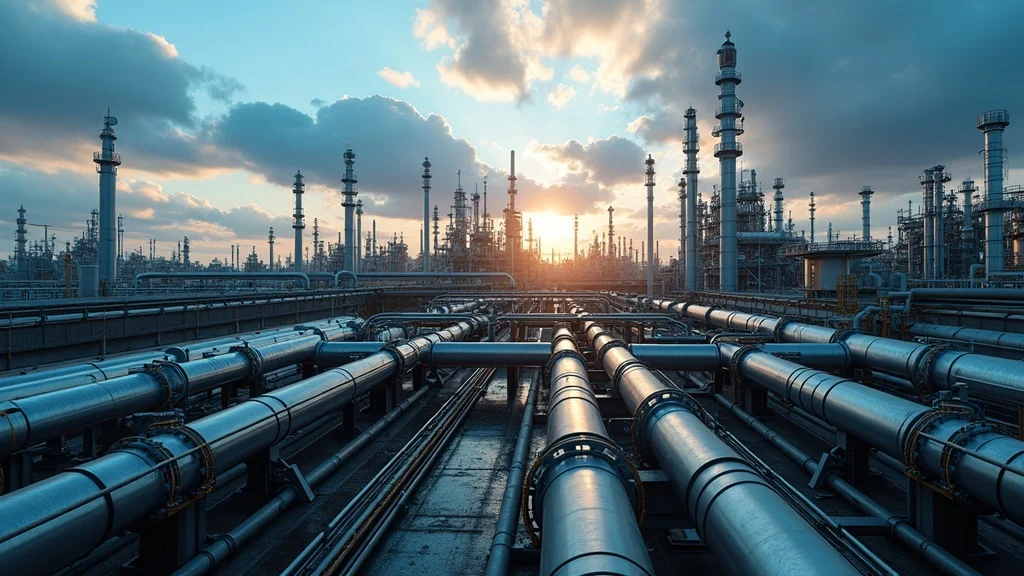
Oil and gas infrastructure faces some of the most severe corrosion threats, including exposure to salty air, chemical vapors, fluctuating temperatures, and abrasive wear. Protective coatings in this sector must withstand extreme environmental conditions while also maintaining the integrity of pipelines, tanks, and processing equipment. High-demand settings often specify multiple barriers: a zinc-rich primer for sacrificial protection, a robust epoxy coating layer for chemical resistance, and a UV-stable polyurethane topcoat for exterior durability. Regulatory pressures and the critical nature of oil and gas assets mean only certified, high-performance anti-corrosion coating solutions are suitable. The right combination delivers not just immediate corrosion protection, but proven service life—minimizing unplanned shutdowns and maximizing operational safety.
How to Choose the Right Anti-Corrosion Coatings in Industrial Painting
-
Assess your environmental exposure (humidity, chemicals, salt)
-
Consider surface type: steel surfaces vs. mixed-material structures
-
Balance cost, longevity, and application methods
-
Seek third-party validations or certifications for protective coatings
Selecting the ideal anti-corrosion coatings in industrial painting depends on your facility’s unique exposures and operational requirements. Start by mapping out which environments impose the highest risk—are you dealing with coastal salt air, high humidity interiors, or chemical splash zones? Next, match coating types to the substrate—epoxy for dense steel surfaces, powder coating for outdoor machinery, or zinc-rich primers for critical utility infrastructure. Consider not just upfront cost but expected service life, maintenance needs, and potential downtime. Finally, insist on coatings that come with third-party certificates (such as ISO or ASTM standards), verifying their suitability for your industry and conditions. The right choice brings superior value and peace of mind.
People Also Ask About Anti-Corrosion Coatings in Industrial Painting
Why is it important to select the right coating type for effective corrosion protection coatings on steel surfaces?
The answer to this common question covers best practices and expert insights on anti-corrosion coatings in industrial painting. A proper approach includes evaluating environmental factors, choosing the appropriate protection coating, and scheduling regular maintenance to ensure optimal corrosion resistance. For assets in demanding industrial settings, using certified, high-performance coatings guarantees long-term durability and reduces total lifecycle costs.
Which corrosion protection coatings offer chemical resistance and protection against heavy rust on steel surfaces?
When considering the longevity of protective coating systems, factors such as coating type, application quality, and the severity of environmental exposure play crucial roles. A well-applied epoxy coating or powder coating can protect steel surfaces for years, but periodic inspections and timely repairs are essential for sustaining corrosion protection in the most challenging conditions.
What coating type is best suited for applying anti-corrosion protection on steel surfaces exposed to direct sunlight?
Not all surfaces require the same approach to anti-corrosion coatings. For instance, epoxy coat is highly effective on steel and concrete but may not bond as well to flexible or heavily oxidized substrates. Surface prep and primer selection are key; always consult with coating experts to adapt the method to your specific industrial scenario for maximum protection.
Are certifications important when selecting anti corrosion coatings?
Certifications are vital when selecting corrosion protection coatings. Industry benchmarks like ISO 12944-6 and ASTM standards confirm that a product has passed rigorous tests for corrosion resistance, chemical durability, and long-term adhesion. These certifications help facility managers in industrial settings select trusted and proven technologies for asset protection.
Key Takeaways: Maximizing the Value of Anti-Corrosion Coatings in Industrial Painting
-
Prioritize surface prep to boost adherence and durability
-
Select coatings specifically formulated for your environmental and operational challenges
-
Regularly inspect and maintain your corrosion protection coatings
-
Consult experts when upgrading or repairing protective coating systems
Frequently Asked Questions About Anti-Corrosion Coatings in Industrial Painting
What factors affect the performance of protective coatings?
Several variables impact the effectiveness of protective coatings in industrial painting, including surface prep quality, compatibility of coating type with the substrate, environmental conditions during application, and the thoroughness of the curing process. To ensure lasting protections, it’s essential to follow coating manufacturers’ recommendations and schedule regular maintenance.
How often should anti-corrosion coatings be reapplied in industrial settings?
The frequency depends on environmental stresses, exposure to chemicals, and the quality of the initial coating application. High-stress environments, such as oil and gas or facilities with constant humidity fluctuations, may require inspection and reapplication every few years. Regular assessments help extend service life and maintain corrosion resistance.
Is epoxy coating suitable for all types of surfaces?
Epoxy coating works best on steel and concrete but may not be ideal for very flexible, oily, or heavily rusted surfaces without extensive prep or primers. Always evaluate the specific coating app requirements and consult with industrial painting experts to determine the most compatible and durable solutions for your asset.
What certifications should you look for in corrosion protection coatings?
Look for certifications like ISO 12944 (for corrosion protection), NACE, and ASTM standards when choosing corrosion coatings. These confirm that the coating has passed critical safety, durability, and performance tests, offering assurance for use in industrial settings and high-value infrastructure.
Ready to Protect Your Facility?
Secure your assets, cut down on repair costs, and ensure peak operational safety. Get Started with a Free Quote or call (508) 799-9019 today.