Imagine walking into a building where everything—from lighting to HVAC—functions seamlessly because of proactive facility maintenance.

-
What You’ll Learn: Key concepts about facility maintenance, strategies for simplification, and actionable steps for facility managers and business leaders.
Picture this: You arrive at work and everything just works. The lights glow brightly, the air inside is fresh and comfortable, and every door, elevator, and system runs smoothly. No flickering lights. No broken HVAC units. No unexpected shutdowns. This seamless environment is possible because of effective facility maintenance. Whether you’re a business owner, property manager, or facility manager, mastering the art of facilities maintenance is the key to happier occupants, lower costs, and a building that stays at its best—year after year. In this comprehensive guide, you’ll unlock powerful strategies that simplify the process and ensure that maintenance is more than just a checklist, but a proactive value-add to your business.
Understanding Facility Maintenance – An Essential Overview
-
Definition and Scope: Facility maintenance and facilities maintenance cover the essential tasks required to keep commercial buildings running smoothly—from HVAC system care to routine inspections and cleaning of critical systems.
-
Importance of Effective Facility Management: In any commercial building, facility management is the invisible engine driving productivity, comfort, and safety. Skilled facility managers oversee everything from work orders to fire safety, ensuring occupants enjoy an optimal, secure environment.
Facility maintenance isn’t just about fixing what’s broken; it’s a proactive approach that keeps every component of your building—from lighting and plumbing to fire safety—in peak condition. Its scope includes all tasks designed to preserve the functionality, safety, and value of buildings through coordinated repair, replacement, cleaning, and inspection activities. For business leaders, staying on top of facility maintenance ensures continued productivity and helps control costs by preventing unexpected breakdowns.
Effective facility management revolves around organization. It involves not only the direct upkeep of the property through assigned maintenance tasks, but also anticipating issues, keeping thorough records, and coordinating with teams or vendors. This holistic approach is especially critical in commercial buildings with complex building systems, multiple occupants, and stringent compliance demands. By investing in reliable facilities maintenance, you build a foundation that supports the entire business, keeping both employees and visitors satisfied—and minimizing costly surprises.
What Is Facility Maintenance?
-
Facility Maintenance Defined: Facility maintenance (also called facilities maintenance) refers to the organized set of processes for keeping a property safe and operational. Its primary goal is to maximize the longevity and performance of every asset within a facility, including HVAC units, fire alarms, elevators, and more.
-
Facility Maintenance vs Facility Management: While often used interchangeably, facility maintenance is specifically about the hands-on maintenance work—repairing, replacing, and caring for building assets—whereas facility management includes broader oversight like budgeting, space planning, and vendor management.
-
Core Responsibilities: Facility managers must coordinate maintenance schedules, oversee maintenance technicians, manage work orders, ensure regulatory compliance, and keep critical building systems operating without interruption.
At its core, facility maintenance is the combined effort of scheduled repairs, emergency responses, and routine inspections that keep a commercial building healthy and reliable. This work is vital for preserving both the usability and value of assets, preventing issues like equipment breakdowns or fire safety hazards before they arise.
The distinction between facility management and facility maintenance is crucial for clarity and organization. Facility managers do more than just oversee repairs—they also develop maintenance programs, monitor expenses, and keep detailed documentation. Meanwhile, the facility maintenance team or maintenance technician handles hands-on tasks that keep everything running, from ensuring HVAC systems are regularly serviced to handling emergency repairs when problems do occur.
Why Facility Maintenance Matters in Modern Commercial Buildings
-
Operational Efficiency: When facility maintenance is prioritized, operations run without interruption. Productivity is maximized, and costly downtime caused by unexpected equipment failure or safety issues is minimized.
-
Safety and Compliance: Good maintenance ensures fire safety systems are operational, exits are clear, and all compliance checks are up-to-date, creating a secure environment for every building occupant.
-
Case Study: Consider a busy urban commercial office where a facility manager relies on a strong preventive maintenance schedule: even during peak business hours, the lobby stays comfortable, lighting is always optimal, and fire safety checks are completed without disrupting occupants.
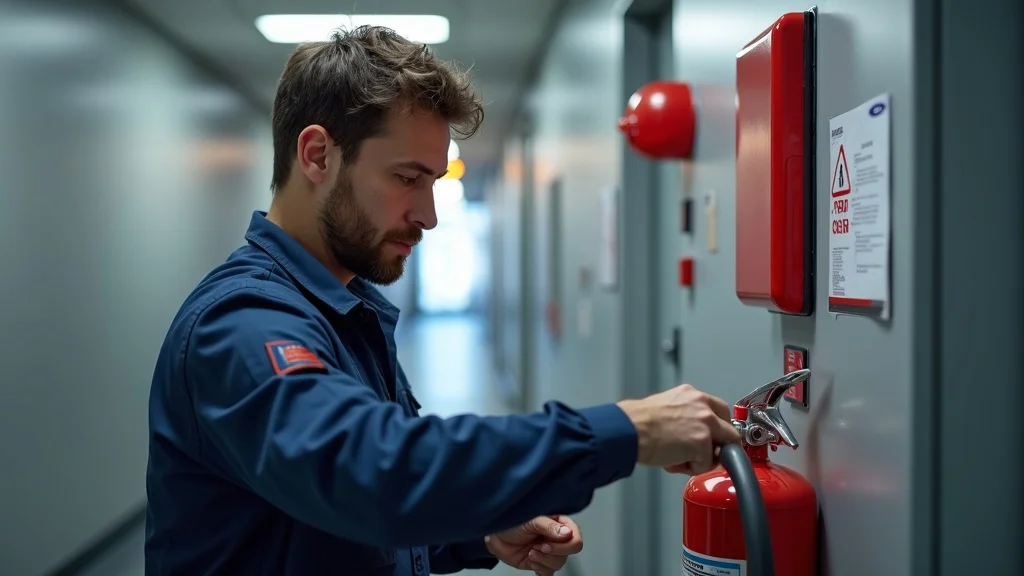
In today’s fast-paced commercial landscape, facility maintenance has evolved from a reactive role into a strategic advantage. A building where maintenance work is consistently performed experiences fewer disruptions and greater occupant satisfaction. From HVAC system tune-ups to keeping fire safety equipment in top shape, proactive care supports employee morale, tenant retention, and smooth day-to-day operations.
Ultimately, the benefits of facility maintenance extend far beyond just fixing things. Proactive strategies reduce surprise expenses, improve facility managers’ ability to respond to emergencies, and ensure that every maintenance task is performed efficiently. The result? Reduced liability, fewer fire safety risks, and an environment that supports business growth.
A well-maintained facility not only preserves asset value, but also contributes to productivity and reduces unexpected downtime.
Key Elements of Facility Maintenance: Processes and Personnel
Common Types of Facility Maintenance
-
Preventive Maintenance: Regular, scheduled tasks (like HVAC filter replacement, fire alarm testing) prevent issues before they disrupt operations.
-
Corrective Maintenance: Addressing a problem once it is detected—such as fixing a leaking pipe or replacing a failed light fixture.
-
Predictive Maintenance: Using sensors and analytics to predict when equipment will need attention—minimizing downtime and targeting repairs more efficiently.
-
Reactive Maintenance: Responding after a failure has occurred—like an emergency repair for a broken elevator or sudden HVAC unit outage.
-
Example Tasks:
-
Preventive: Checking HVAC systems, testing fire alarms, regular inspections.
-
Corrective: Repairing water leaks, fixing electrical outages, replacing worn parts.
-
Predictive: Monitoring elevator usage patterns to preemptively replace tired components.
-
Reactive: Handling burst pipes or unplanned shutdowns—restoring critical functions quickly.
-
Every facility maintenance plan hinges on a blend of these four types of work. Preventive maintenance is often the most efficient for cost control, but predictive maintenance is gaining traction as sensors and digital tools make anticipation possible. However, even the best schedules must accommodate emergency reactive maintenance, while corrective actions fix issues as they’re identified. Understanding these categories helps facility managers deploy teams and resources effectively—minimizing equipment failure and maximizing building performance.
Balancing these approaches ensures that maintenance strategies are both proactive and responsive, providing business leaders and property managers with the versatility needed for modern commercial buildings. Selecting the right approach for each asset or system keeps maintenance work running smoothly while maintaining cost effectiveness.
Roles and Responsibilities of Facility Managers
-
Day-to-Day Responsibilities: Facility managers organize maintenance schedules, manage work orders, monitor asset conditions, and ensure compliance with legal and fire safety requirements.
-
Skills Needed: Successful facility managers are organized, technically skilled, and able to communicate with both maintenance technicians and senior management. Familiarity with digital tools, such as work order management software and CMMS platforms, is increasingly essential.

Facility managers wear many hats in a commercial building context. Not only do they coordinate and track the progress of ongoing maintenance work, but they also train staff, oversee vendors, and ensure the facility meets rigorous regulatory standards. A typical day could involve anything from reviewing maintenance requests to troubleshooting HVAC unit performance, approving supply orders, or conducting safety training.
To be effective, facility managers require expert-level organizational skills, hands-on knowledge of building systems, and an ability to lead teams. In today’s digital era, understanding work order management systems is a must—these platforms allow for efficient task assignment and real-time reporting, making it easier to keep multiple facilities running smoothly and in compliance.
Maintenance Technician: Their Vital Role
-
Technical Skills: Maintenance technicians are the hands-on experts—skilled in electrical, HVAC, plumbing, and more—who carry out scheduled and emergency maintenance tasks.
-
Scope of Work: From diagnosing faulty HVAC units to repairing fire safety alarms, their work keeps critical commercial building infrastructure operating safely and efficiently.
A skilled maintenance technician is the backbone of every efficient facility maintenance team. They perform technical inspections, repair or replace failed components, and respond swiftly to emergency situations. Often working behind the scenes, technicians use their expertise in plumbing, HVAC systems, electrical engineering, and safety protocols to keep tenants comfortable and assets protected.
Their activities range from preventive maintenance such as filter changes and fire alarm inspections, to reactive maintenance for unexpected equipment failure or breakdown. Their attention to detail and technical proficiency are crucial for keeping maintenance schedules on track and supporting the efforts of facility managers in creating a secure, efficient, and productive building environment.
Facility Maintenance Strategies for Simplification
Developing an Effective Maintenance Schedule
-
Assess Your Assets: Begin by listing all major building systems—HVAC, lighting, elevators, fire safety equipment, etc.—to determine required maintenance tasks.
-
Set Priorities: Assign higher priority to safety-critical items (like fire safety checks) and systems essential for building operations.
-
Plan Frequency: Map out how often each maintenance task needs to be performed—daily, weekly, monthly, or annually—and create a central maintenance schedule.
-
Digital Tools: Consider implementing a CMMS or work order software to track tasks, automate reminders, and keep detailed records.
-
Review & Adjust: Evaluate performance regularly and update your schedule as building usage or equipment needs change.
An organized maintenance schedule is the spine of successful facility maintenance. By mapping out tasks, setting clear priorities, and ensuring compliance deadlines are always in sight, facility managers can significantly reduce disruptions and lengthen the life of costly assets. Using digital tools to manage these schedules eliminates paperwork, increases accountability, and helps maintenance teams work with maximum efficiency.
Regular scheduling ensures critical fire safety inspections and routine checks on plumbing, electrical, and HVAC systems aren’t overlooked. With a clear calendar, both property owners and occupants can trust their building maintenance is always a step ahead of potential problems, supporting business continuity and reducing the risk of urgent repairs.
Choosing Between Preventive, Corrective, Predictive, and Reactive Maintenance
-
Preventive Maintenance: Most effective for routine systems like HVAC, lighting, and fire safety where regular upkeep prevents breakdowns.
-
Corrective Maintenance: Useful for addressing problems discovered during inspections or reported by occupants.
-
Predictive Maintenance: Ideal when you have sensors or analytics that signal when equipment is nearing failure—allowing targeted intervention before a shutdown.
-
Reactive Maintenance: Necessary for handling sudden issues or emergencies that threaten daily operations (e.g., a burst pipe or electrical failure).
Determining which strategy to emphasize depends on your facility’s unique mix of assets and resources. In high-traffic commercial buildings, preventive and predictive methods are best for minimizing risk, while a strong corrective and reactive protocol ensures that issues are quickly addressed. The most successful facility maintenance programs are flexible, regularly shifting resources to adapt to changing building needs, compliance requirements, or new technology.
By knowing when to use each maintenance strategy, facility managers avoid costly overlaps and ensure no task falls through the cracks. This balance drives down long-term operating expenses, improves reliability, and supports ongoing occupant comfort and safety.
Implementing Digital Tools for Facilities Management
-
CMMS and Work Order Software: These digital solutions centralize maintenance tasks, automate scheduling, and provide real-time updates for every work order.
-
Benefits: Facility managers and property owners gain visibility, accountability, and improved communication—reducing downtime, streamlining workflows, and supporting regulatory compliance.

The adoption of management software, particularly Computerized Maintenance Management Systems (CMMS), has transformed facility maintenance for the better. No longer must facility teams rely solely on paper records or scattered spreadsheets—today, one dashboard can track every work order, alert for upcoming inspections, and document the completion of every maintenance task. These tools also archive maintenance history, making audits and compliance easier to manage.
Digital tools empower facility managers and owners with the information they need to make proactive decisions. The transparency and accountability provided by these systems ensure nothing is forgotten, while automated scheduling and reminders keep every aspect of building maintenance running smoothly. Over time, this approach leads to cost savings, improved safety, and buildings that maintain their peak value.
Digital solutions are transforming routine facility maintenance from a reactive chore into a strategic advantage for forward-thinking organizations.
Common Facility Maintenance Challenges—and How to Overcome Them
-
Complex Schedules & Multiple Teams: Facility maintenance faces coordination challenges—especially in large or multi-building portfolios where maintenance schedules must dovetail with operations, vendors, and contractors.
-
Handling Urgent Work Orders: Emergency repairs like HVAC system failures or fire safety concerns can overwhelm teams if not prioritized and communicated effectively.
-
Balancing Maintenance Types: Emphasizing preventive and predictive maintenance while responding to corrective and reactive needs is an ongoing juggling act.
-
Ensuring Compliance & Documentation: Stay audit-ready by maintaining clear, accessible records of inspections, repairs, and fire safety checks.
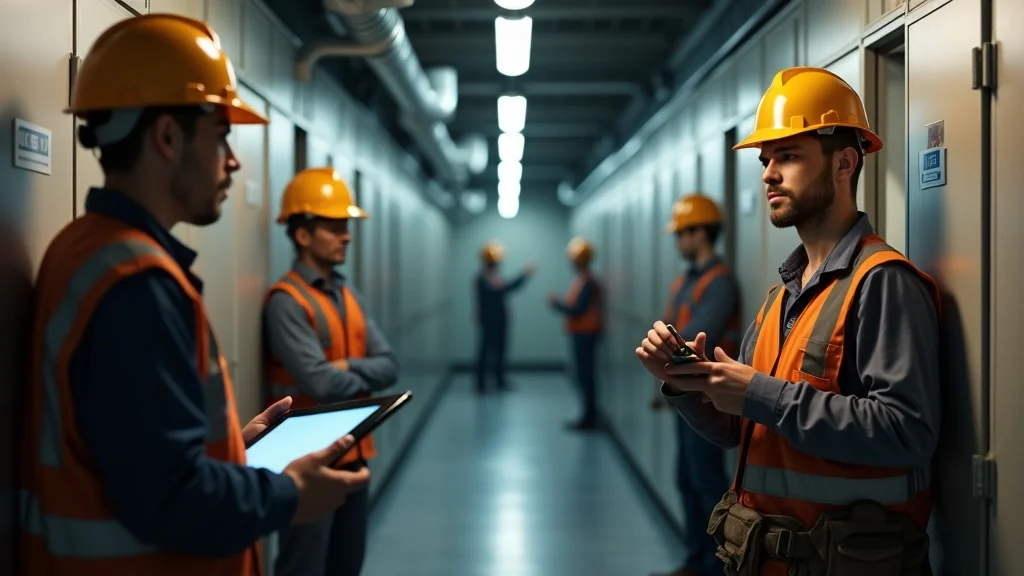
The modern facility manager must balance immediate repairs against ongoing schedules, coordinate with contractors, and ensure regulatory boxes are always ticked. When systems break unexpectedly, rapid-fire work order assignment and prioritization can mean the difference between a minor hiccup and extended downtime. Over-relying on reactive maintenance can lead to unexpected costs and equipment failures that disrupt business.
Solving these challenges calls for clear communication, ongoing training, and technology that enables real-time collaboration. Building a culture of documentation, timely task assignment, and regular property audits helps minimize oversight and improve outcomes. Leveraging digital management software also streamlines reporting and increases transparency, keeping everyone on the same page and allowing maintenance work to be tracked and improved over time.
Facility Maintenance Best Practices for Long-Term Success
-
Create Detailed Documentation and Standardized Maintenance Schedules: Keep everything organized, audit-ready, and easy for new team members to follow.
-
Invest in Continual Training: Ensure facility managers and maintenance technicians stay current with technology, regulations, and best practices.
-
Adopt Predictive and Preventive Maintenance as Core Strategies: Reduce emergencies and extend the lifespan of equipment.
-
Leverage Technology: Use management software to automate task tracking, work orders, and compliance reporting.
-
Conduct Regular Property Maintenance Reviews and Audits: Find gaps before they become issues, and foster a culture of continuous improvement.
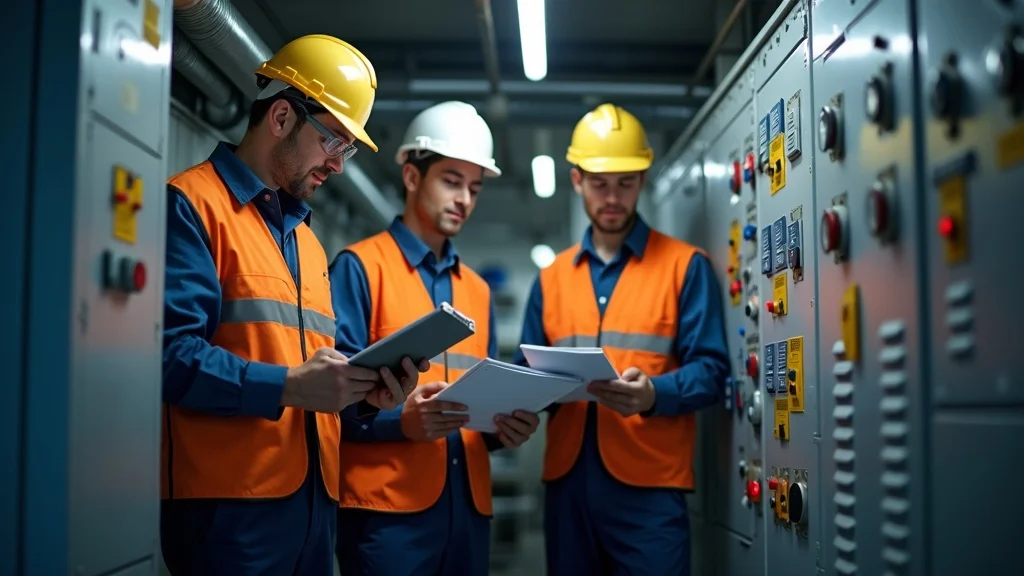
Consistency is key for long-term facility maintenance success. Documenting all maintenance tasks and standardizing procedures provide transparency and allows for easy onboarding or transition between team members. Ongoing education ensures staff are up-to-date with new technology, evolving regulations, and industry best practices. Focusing on predictive and preventive approaches helps minimize urgent repairs and maximizes the value of each dollar spent on upkeep.
Technology serves as a powerful ally—automating repetitive tasks and allowing for easy reporting or tracking of work order completion. Regular reviews and audits not only ensure compliance but also uncover inefficiencies and catalyze new improvements, keeping buildings running smoothly and prepared for the future.
Table: Comparison of Maintenance Types in Facility Maintenance
| Maintenance Type | Definition | Example Tasks | Best Application | Impact on Facilities Management |
|---|---|---|---|---|
| Preventive Maintenance | Scheduled tasks performed regularly to prevent equipment failure | HVAC filter replacement, fire safety inspections, lubrication of moving parts | Critical systems (HVAC, fire alarms, elevators) | Extends asset lifespan, reduces emergency repairs, supports compliance |
| Corrective Maintenance | Repairs conducted after a fault is detected but before total failure | Repairing water leaks, fixing malfunctioning lighting, replacing damaged wiring | Non-critical faults, minor equipment breakdowns | Fixes issues quickly, prevents escalation, controls costs |
| Predictive Maintenance | Using sensors and data analytics to predict when maintenance is needed | Monitoring vibration in motors, tracking wear patterns, data-driven alerts | High-value assets, large campuses | Minimizes downtime, optimizes resource allocation, maximizes ROI |
| Reactive Maintenance | Actions performed after equipment fails or emergencies occur | Emergency HVAC repairs, fixing burst pipes, restoring power | Unexpected failures, urgent safety issues | Restores operations, but can be costly and disruptive |
People Also Ask
What is the meaning of facility maintenance?
-
Answer: Facility maintenance is the comprehensive care and upkeep of a building’s physical assets and systems. It includes performing scheduled and emergency repairs, inspections, and proactive tasks that keep commercial buildings functioning safely and efficiently. In the scope of facility management and facilities maintenance, this involves everything from routine cleaning and HVAC servicing to complex fire safety checks and property audits—helping organizations maximize uptime and reduce unexpected breakdowns.
Is FM a good career?
-
Answer: Facility maintenance (FM) offers a strong, steadily growing career path for those with organizational skills and a knack for solving hands-on problems. Facility managers and maintenance technicians are in demand across every industry, from healthcare to corporate offices. The work is diverse, offering both technical challenges and leadership opportunities, and those who master digital tools and compliance can advance into senior roles. Plus, FM roles are critical to building operations—offering both job security and the satisfaction of keeping essential systems running smoothly.
What are the 4 types of maintenance?
-
Answer: The four core types of facility maintenance are preventive maintenance (scheduled tasks to avoid breakdowns), corrective maintenance (fixing issues identified during inspections), predictive maintenance (using technology to anticipate when equipment needs care), and reactive maintenance (emergency responses to failures). Each plays a role in a balanced maintenance strategy, keeping commercial buildings safe, efficient, and cost-effective.
What does a facility maintenance person do?
-
Answer: A facility maintenance person manages and performs daily upkeep to keep buildings safe and comfortable. Their work includes scheduling and completing critical maintenance tasks such as HVAC unit checks, lighting repairs, fire safety inspections, and addressing urgent work orders. They ensure property maintenance standards are met and that all systems comply with safety and regulatory guidelines.
Frequently Asked Questions About Facility Maintenance
-
How does facility maintenance differ from facilities management?
-
Facility maintenance focuses on hands-on repair, care, and upkeep of building assets, while facilities management includes broader responsibilities such as budgeting, occupancy planning, and overall operational oversight.
-
-
What qualifications do facility managers need?
-
Most facility managers hold degrees/certifications in facilities management, engineering, or related fields, along with experience in building maintenance and strong technical, communication, and leadership skills.
-
-
How to schedule regular building maintenance?
-
Start by listing all major systems and required tasks, develop a master maintenance schedule (using digital tools if possible), assign responsibilities, and regularly review performance and compliance benchmarks.
-
-
What is included in property maintenance for commercial buildings?
-
Property maintenance can include HVAC system care, fire safety inspections, elevator and lighting maintenance, landscaping, cleaning, and structural repairs—ensuring a commercial building remains functional, safe, and visually appealing.
-
Key Takeaways: How to Simplify Facility Maintenance
-
Prioritize preventive and predictive maintenance in your maintenance schedule.
-
Leverage technology and trained facility managers for streamlined operations.
-
Document and regularly review your facility maintenance practices.
Ready to Take Control of Your Facility Maintenance?
-
Get Started with a Free Quote –https://colepainting.com/contact/or call(508) 799-9019.
Start today: Simplify facility maintenance to protect your building, empower your team, and ensure a safe, productive future for your commercial property.