
Ever wondered what truly sets residential painting apart from commercial painting—and how making the right choice could save you time, money, and deliver impressive results? Understanding the difference between residential and commercial painting isn’t just about scale; it directly impacts the quality, cost, and long-term satisfaction of your paint job. Whether you manage an office space, own a retail outlet, or want your home to look perfect, knowing these differences ensures you get the right painting service tailored for your property’s unique needs.
Unlocking the Difference Between Residential and Commercial Painting: Why It Matters
When it comes to transforming your property, choosing between residential and commercial painting services is more than just a formality—it’s a strategic decision that affects every stage of your painting project. Business owners, property managers, and facility managers must consider factors like project scale, materials, application techniques, and scheduling needs. If you select the wrong service, you risk exceeding your budget, facing project delays, or ending up with subpar results. By recognizing the core distinctions between residential and commercial painting, you position yourself to make better decisions that optimize quality, minimize costs, and ensure smooth project completion. These differences also influence compliance with safety standards and property regulations, which is especially important in commercial spaces.
“Understanding the difference between residential and commercial painting can optimize your next painting project in terms of quality, budget, and results.”
What You’ll Learn About the Difference Between Residential and Commercial Painting
-
Key differences in project scope, scale, and requirements
-
Comparing commercial paint vs. residential paint choices
-
Unique qualifications of commercial painters versus residential painters
-
Cost factors for both painting services
-
How to choose the right painting contractor for your property
Defining Residential and Commercial Painting

What Is Residential Painting?
-
Projects: homes, apartments, condos (residential painting)
-
Residential paint: features and finishes
-
Residential painters: roles and expertise
Residential painting focuses primarily on beautifying and protecting private living spaces such as single-family homes, apartments, and condominiums. Whether you’re aiming for a quick refresh or a comprehensive makeover, residential painting projects generally involve smaller-scale jobs tailored to unique homeowner tastes. Residential paint options offer a broad spectrum of colors and decorative finishes, from washable matte for living rooms to stain-resistant gloss for kitchens. When it comes to hiring a residential painter, expertise in meticulous surface preparation, detailed brushwork, and familiarity with diverse interior and exterior paint choices is crucial. These painters are trained to minimize disruption to occupants, understand family safety needs, and deliver lasting, aesthetically pleasing results. Typically, a residential painting service will focus on efficiency, cleanliness, and attention to detail in every paint job.
What Is Commercial Painting?
-
Projects: offices, retail, warehouses, institutional properties (commercial painting)
-
Commercial paint: durability and application
-
Commercial painters: scope and certifications
In contrast, commercial painting targets environments like offices, retail centers, warehouses, schools, hospitals, and other commercial properties. Here, durability, safety, and minimal disruption are top priorities. Commercial painting projects often require working around business hours, using commercial paint products designed for high-traffic or industrial settings, and sophisticated techniques such as sprayers or scaffolding. Commercial painters need advanced certifications, rigorous safety training, and experience coordinating large teams for expansive spaces. They must also comply with stricter regulatory standards, work with property management teams, and often handle multi-stage projects with complex logistics. Choosing the right commercial painting service ensures lasting protection and compliance for any commercial space or project.
Key Differences Between Residential and Commercial Painting
| Aspect | Residential Painting | Commercial Painting |
|---|---|---|
| Scope & Project Size | Homes, condos, apartments; small to medium size | Offices, retail, warehouses, industrial; large-scale |
| Timeline | Flexible, based on homeowner schedules | Strict deadlines to minimize business disruption |
| Materials | Decorative finishes, interior/exterior paints | High-durability paints, specialty coatings |
| Workforce | 1-4 painters; minimal equipment | Teams of 5+ painters, lifts, scaffolding |
| Regulatory | Basic local codes | OSHA, ADA, permits, routine inspections |
Scope and Project Size: Residential vs. Commercial Painting Project

-
Differentiating residential project scales from commercial projects
-
Residential and commercial painting approaches to complexity
The scope of a painting project is one of the most significant differences between residential and commercial painting. Residential projects usually cover individual homes, apartments, or condos, typically handled by a small crew and taking days to complete. The complexity lies in personal preferences, detailed finishes, and the need to minimize disruption to the family’s daily life. In contrast, commercial painting projects span vast spaces such as large office buildings, shopping malls, warehouses, and factories. These require coordination among project managers, teams of professional painters, and specialized equipment. The scale also drives complexity, with considerations like business hours, high ceilings, and demanding timelines. Whether you’re a property manager overseeing an office park or a homeowner planning a renovation, the approach to project size and complexity will play a major role in determining the right painting service.
Another crucial distinction is the breadth of work required. In a typical residential project, you might see a single residential painter using step ladders and brushes to achieve a flawless finish on your living room wall. Conversely, a commercial project often demands a large team, advanced tools like boom lifts, and managed workflows to tackle expansive wall surfaces in the shortest possible time. Ultimately, the difference between residential and commercial painting is evident in the resources allocated, the expected speed of completion, and the planning necessary to achieve professional results in complex environments.
Types of Paint and Materials Used in Commercial and Residential Painting
-
Exploring type of paint: commercial paint vs. residential paint
-
Impact of paint selection on commercial project longevity

The type of paint and materials used make a significant impact on both the performance and appearance of your paint job. Residential paints are formulated for beauty, versatility, and easy touch-up. These paints usually come in a wide range of finishes—satin, eggshell, matte, and semi-gloss—and prioritize low odor and low VOC (volatile organic compounds) for healthier home environments. Residential projects benefit from paints that provide vibrant colors and smooth finishes, perfect for creating a cozy, customized living space.
On the other hand, commercial paint is engineered for durability, resistance to wear, easy cleaning, and often enhanced with antimicrobial or fire-retardant properties—especially important for places like hospitals or schools. Commercial projects demand coatings that withstand frequent cleaning, high traffic, and the stress of heavy equipment or footfall. Businesses benefit from selecting paints that retain color and integrity over years of daily use, minimizing downtime for repainting. For property managers and business owners, choosing the right type of paint can ensure long-term savings and compliance with safety guidelines. In summary, the difference between residential and commercial painting extends right down to the paint can—where purpose-built formulas are chosen for either comfort or capability.
Workforce and Scheduling: Professional Painter Requirements
-
How many painters offer large-scale painting service?
-
Commercial painters versus residential painters’ qualifications
-
Timing and coordination for business facility painting services

Another key difference is the workforce and scheduling requirements for each project type. A residential painting service typically relies on a small, closely knit crew—often just one to four professional painters. Their schedules are flexible, able to adjust to homeowners’ requests, weekend jobs, or seasonal changes. This setup is ideal for personalized attention and careful, detailed work. In contrast, commercial painters operate with larger crews and a need for tight coordination. For commercial spaces, painting must often be done outside regular business hours—overnight or on weekends—to minimize downtime and disruption to operations.
Qualifications also differ. Commercial painters are usually required to have advanced certifications in workplace safety, handling specialty coatings, and operating equipment such as lifts and scaffolds. These professionals offer large-scale painting service to meet strict deadlines, and must be adept at navigating complex building layouts, environmental hazards, and regulatory codes. On the other hand, a residential painter focuses on high-quality finish, careful furniture moving, and neatness in smaller spaces. For property managers and business leaders, the ability to mobilize the right-sized crew for efficient project completion is crucial. Understanding these workforce and scheduling nuances helps you select the right painting contractor for your specific project needs.
Cost Structure: Commercial Painting vs. Residential Painting Service
-
Cost variables for residential painting service and commercial painting service
-
Pricing considerations for commercial painting projects

The cost structure for painting services is shaped by multiple factors, including project size, paint type, labor, accessibility, and compliance requirements. Residential painting jobs are generally billed per room or by square footage, with total costs influenced by details such as surface preparation, choice of finishes, and the complexity of trim or accent work. Homeowners can typically expect upfront, itemized estimates and less variability in cost—unless the project includes extensive prep, repairs, or custom finishes.
Commercial painting service pricing, by contrast, tends to factor in larger team labor, specialty equipment (like lifts or scaffolding), off-hours scheduling, and more stringent regulatory compliance. Estimates may be more complex, incorporating allowances for permits, environmental safeguards, and insurance needs. For large-scale commercial projects, painting contractors will offer detailed breakdowns, with labor and materials often accounting for the bulk of the cost. In both cases, it’s essential to request multiple bids, review detailed scopes, and choose a reputable contractor with transparent pricing practices. Recognizing these distinctions empowers you to budget wisely for your next painting project and ensures there are no costly surprises down the line.
“While commercial painting often involves more painters, bigger equipment, and specialized coatings, each residential and commercial job has unique challenges and rewards.” — Expert Commercial Painting Contractor
Regulatory and Safety Considerations in Commercial and Residential Painting
-
Permits and inspections for commercial painting project
-
Health, safety, and environmental compliance in commercial and residential painting

Compliance with regulations and safety standards is another crucial area where the difference between residential and commercial painting stands out. For commercial painting projects, obtaining the correct permits, passing routine inspections, and adhering to Occupational Safety and Health Administration (OSHA) guidelines are mandatory. Commercial painters must use approved materials, maintain detailed safety logs, and work under monitored conditions—especially in facilities such as hospitals, schools, or food-processing plants. Environmental regulations also require the safe disposal of hazardous materials, minimizing VOC emissions and maintaining clean worksites.
Residential painting, while more relaxed in terms of oversight, still requires adherence to local housing codes and environmental guidelines, especially for older homes that might contain lead-based paint. For both commercial and residential painting projects, working with insured, licensed, and experienced contractors ensures all requirements are met, reducing risk for property owners. Prioritizing regulatory compliance not only protects your investment but also guarantees the health and safety of everyone involved.
Common Types of Properties for Residential and Commercial Painting
-
Commercial space categories: office, retail, industrial
-
Residential properties: single-family, multifamily, historic homes
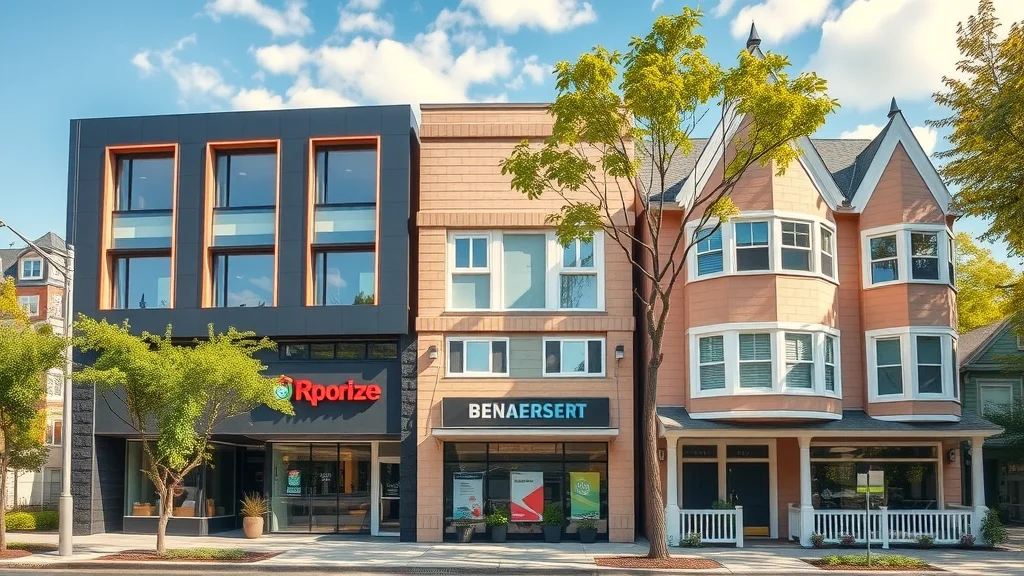
Both residential and commercial painting services cater to a diverse range of property types. Residential properties include single-family homes, multi-family buildings, condos, and historic houses. Each project brings unique needs—historic homes might demand delicate restoration work, while multifamily units require coordination with property managers and tenants. In contrast, a commercial space could be an office building, retail shop, hotel, warehouse, or manufacturing facility. Each type of commercial property presents its own set of challenges, from high ceilings and intricate architectural features to strict safety regulations and timelines. The success of a painting service hinges on understanding the property’s function, usage patterns, and the image you want to convey to visitors or customers.
For both business owners and homeowners, recognizing whether your project falls under residential or commercial guidelines can help you find the most qualified painting contractor for the job. This contributes to a smoother project flow and more reliable results, whether you’re painting a new office suite or updating a mid-century family home.
Choosing Between Residential and Commercial Painting Services
-
When to hire a specialized commercial painter or residential painter
-
Evaluating painting contractor experience for your painting project
-
How professional painters assess project needs
Deciding between residential and commercial painting services is all about matching project needs to contractor expertise. If your property is a home or small apartment complex, a residential painter with a track record of meeting homeowner expectations is usually ideal. These contractors are equipped to handle personalized requests, unique color schemes, and careful finishing. However, for any commercial project involving offices, industrial units, or institutional buildings, it’s critical to choose a commercial painting team with experience in large-scale logistics, regulatory compliance, and specialty coatings. Assess contractor portfolios, request references, and seek case studies on similar projects. A professional painter should conduct a thorough site assessment, discuss scope and timelines, and provide a detailed estimate before work begins.
How to Select the Right Painting Contractor for Your Painting Project
-
Checklist for comparing painting contractors
-
Commercial and residential painting testimonials and case studies
Here’s a quick checklist to help you compare painting contractors for your next project:
-
Experience & Credentials: Look for licensing, insurance, and certifications, especially for commercial painters working in regulated environments.
-
Project Portfolio: Ask for examples of both residential and commercial painting jobs similar to yours.
-
Transparent Estimates: Compare detailed bids that clearly separate labor, materials, and prep costs.
-
References & Reviews: Seek out testimonials or case studies from previous clients—especially those managing properties like yours.
-
Warranty & Quality Guarantees: The best contractors stand behind their work, offering warranties for both materials and labor.
Reading reviews and testimonials, especially for projects with challenges or special requirements, is key to choosing a painter who can deliver the outcome you want for your specific property type.
Watch B-roll footage of a large team of painters using lifts and sprayers inside a spacious commercial warehouse, highlighting equipment setup, safety checks, and finished results.
Explore the step-by-step process as a skilled residential painter transforms a family home, from prep to final touches.
People Also Ask: Difference Between Residential and Commercial Painting
What is the difference between commercial and residential painting?
-
Main distinctions: scale, materials, techniques, and project management
-
Expectations for professional painting services in various settings
The chief difference between residential and commercial painting relates to project size, complexity, and expectations. Residential painting is customized for homeowners, emphasizing personalized colors, finishes, and meticulous work by small teams. Commercial painting covers offices, retail, warehouses, or institutional spaces, focusing on durability, rapid turnaround, and regulatory requirements—often requiring large crews and specialized tools. Project management is more intense on commercial jobs, driven by tight deadlines and operational needs. Professional painting services adapt their approach based on these settings to deliver the best result.
How much do painters charge for 1000 sq ft?
-
Residential versus commercial painting service rates for 1000 sq ft
-
Factors that affect painting service costs (labor, prep, materials)
Rates for a painting service covering 1,000 square feet vary by property type. Residential painting typically ranges from $2–$6 per square foot, depending on prep, finish, and the number of coats. Commercial painting might be slightly higher—$3–$8 per square foot—due to larger crews, more extensive prep, insurance, and specialty materials. Other factors influencing cost include location, surface conditions, and urgency. Always request detailed estimates to account for layout complexity and additional services.
What is a commercial painting?
-
Definition and examples of commercial painting projects
-
Special requirements for commercial paint and professional painters
Commercial painting refers to applying protective or decorative coatings to properties used for business or institutional purposes—offices, warehouses, factories, hospitals, or retail spaces. These projects require commercial paint that’s formulated for durability, safety, and long-term wear. Professional painters handling commercial jobs must have specialized training for equipment use, safety, and compliance. Project success depends on efficient processes and delivering results with minimal disruption to daily operations.
What’s the difference between residential and commercial use?
-
Distinguishing use, property regulations, and expected levels of finish
-
Impact on the painting project and types of painting contractor needed
Residential use is intended for private, personal living spaces, usually requiring painting contractors who cater to detail and customization. Commercial use refers to properties providing business services, demanding stronger materials, increased safety, and regulatory oversight. This distinction drives how painting projects are managed—residential contracts prioritize aesthetics and comfort while commercial jobs focus on resilience, compliance, and functionality in high-traffic spaces.
Key Takeaways: The Vital Difference Between Residential and Commercial Painting
-
Identifying the right painting service ensures project success
-
Commercial projects demand specialized expertise and equipment
-
Experienced residential and commercial painting contractors add value
The right painting service—residential or commercial—can mean the difference between a hassle-free update and a costly setback. Always match property type and project goals to your choice of contractor for the best results.
Frequently Asked Questions (FAQ) About the Difference Between Residential and Commercial Painting
-
Do commercial and residential painters need different insurance?
Yes, commercial painters require broader insurance coverage due to higher risk and regulatory demands. Residential painters need general liability and worker’s comp. -
Can a residential painting contractor take on commercial projects?
Only if they have relevant experience, teams, and the licenses required for commercial spaces. Always check credentials and past project portfolios. -
Are the paint products used the same for all projects?
No; residential paint prioritizes looks and low odor, while commercial paint is selected for durability, washability, and compliance. -
Why do commercial projects often cost more?
Greater scale, labor, regulatory compliance, specialty materials, required equipment, and off-hours scheduling contribute to higher costs.
Conclusion: Making an Informed Choice Between Residential and Commercial Painting
-
Summing up the difference between residential and commercial painting decisions
-
Encouraging professional consultation for tailored painting service
Knowing the difference between residential and commercial painting empowers you to make informed choices, ensuring your project’s success. Consult a professional painting contractor for solutions tailored to your property and goals.
Get Started with a Free Quote –https://colepainting.com/contact/or call(508) 799-9019
Ready to transform your property? Contact our team today to discuss your unique residential or commercial painting project, and get a no-obligation, free quote from experienced professionals!
Understanding the distinctions between residential and commercial painting is crucial for selecting the appropriate service for your property. Residential painting focuses on enhancing the aesthetics and comfort of homes, involving smaller-scale projects tailored to individual preferences. In contrast, commercial painting addresses the needs of businesses and institutions, requiring durable finishes and adherence to strict safety standards. For a comprehensive overview of these differences, the article “10 Differences Between Residential and Commercial Painting” outlines key aspects such as project scope, materials used, scheduling, and cost considerations. Additionally, “Residential Painting vs. Commercial Painting: What’s the Difference?” delves into variables like equipment requirements, surface types, and project management approaches. If you’re serious about ensuring the success of your painting project, these resources will provide valuable insights to guide your decision-making process.