Did you know? Properties that keep up with regular maintenance painting can save up to 30% on long-term repairs and replacements. For commercial property owners and facility managers, this isn’t just a statistic—it’s a direct hit to your bottom line. In this guide, you’ll discover why the importance of regular maintenance painting is more than just aesthetics, and how it can protect, elevate, and maximize your property’s value for years to come.
A Surprising Fact: The Importance of Regular Maintenance Painting for Every Commercial Property
“According to industry studies, properties that practice regular maintenance painting save up to 30% on long-term repair and replacement costs compared to those that neglect scheduled upkeep.”
The truth is, many business owners overlook the true importance of regular maintenance painting until faced with costly repairs. Think of maintenance paint as a frontline defense that shields your property from wear and tear, UV rays, and harsh weather conditions. That protective barrier not only enhances curb appeal with a fresh coat of paint but helps extend the life of your building’s exterior paint and finishes. Regular paint maintenance is about more than looks—it’s about protecting commercial investments and ensuring operational continuity.
If you’ve ever faced faded, peeling paint, or weathered exterior surfaces, you already know how quickly minor problems can escalate into major, costly repairs. Regular maintenance painting offers facility managers and property owners a proactive roadmap—one that guards against deterioration and helps avoid unscheduled, expensive fixes down the line. Embracing the importance of a consistent paint maintenance schedule guarantees that your property remains both appealing and structurally secure for years to come.
What You’ll Learn About Maintenance Painting
-
The crucial role of maintenance painting for commercial buildings
-
How regular painting maintenance extends the life of exterior paint and surfaces
-
Why investing in regular paint protects property value and reduces costly repairs
-
Best practices for setting a regular maintenance schedule
-
Expert insights and professional painting recommendations
Defining the Importance of Regular Maintenance Painting
Understanding Maintenance Paint, Maintenance Painting, and Painting Maintenance
Before diving deeper, it’s important to clarify what professionals mean when discussing maintenance paint, maintenance painting, and painting maintenance. These terms, although sometimes used interchangeably, have distinct roles in the upkeep of any commercial building. Maintenance paint refers to specific high-performance paints formulated for routine upkeep and enhanced durability. Maintenance painting, on the other hand, involves the deliberate, scheduled process of applying these paints to address wear and tear, weather conditions, and damage before problems escalate.
Finally, painting maintenance encapsulates all ongoing tasks required to preserve the integrity and appearance of your property’s paintwork. This includes regular inspections, prompt touch-ups, and preventive measures. Placing an emphasis on paint maintenance as a routine part of your building’s care plan ensures that costly repairs due to neglect—such as replacing siding, fixing deep structural damage, or battling persistent mold—are greatly reduced. In the highly competitive arena of commercial real estate, smart property managers recognize that painting maintenance isn’t a luxury, but a necessity.

Professional Paint vs. Regular Paint: Making the Right Choice
When considering your next paint job, understanding the difference between professional paint and regular paint is imperative. Professional paint, often selected by experienced commercial painting contractors, is specifically engineered for enduring the intense demands of high-traffic commercial buildings. These options resist UV rays, frequent cleaning, and seasonal weather changes better than standard store-bought paint. Regular paint, while suitable for home projects, may lack the durability needed for commercial properties, leading to more frequent wear and tear and earlier repaint cycles.
Investing in the proper paint not only extends the life of your building’s exterior paint but also ensures a consistent appearance that upholds your brand identity and curb appeal. A professional painter will factor in surface type, exposure, and desired lifespan when recommending the right solution for your business. By choosing professional-grade products as part of your ongoing painting maintenance routine, you guarantee a better return on investment and keep your property looking its best longer.
The Critical Differences in Commercial Painting vs. Residential Painting
Commercial painting differs significantly from residential painting in scope, complexity, and required expertise. Where a fresh coat of paint in a home mostly addresses aesthetics, commercial painting carries the added responsibility of protecting valuable assets, maintaining safety, and supporting tenant satisfaction. Commercial paint must endure heavier traffic, stricter safety regulations, and a more challenging climate of wear and tear as employees, customers, and deliveries pass through your facility daily.
Beyond the functional aspects, commercial buildings often demand specialized coatings—antimicrobial finishes for hospitals, easy-to-clean surfaces for restaurants, and weather-resistant exterior paint for retail properties. In these settings, painting maintenance is a scheduled event with minimal disruption, tailored to the business’s operational needs. By working with professional painting contractors familiar with the unique demands of commercial paint applications, property managers ensure compliance, durability, and pronounced financial benefits in the long run.
The Financial Benefits: Importance of Regular Maintenance Painting in the Long Run
How Maintenance Paint Reduces Costly Repairs for Commercial Properties
Routine maintenance paint isn’t just about looks—it’s a line of defense against costly repairs that can catch property owners off guard. By applying a protective layer through regular painting maintenance, you block out moisture, dust, and contaminants, all of which can degrade exterior paint and surface materials. Even the most durable exterior surfaces can fall victim to cracked or peeling paint, but with well-timed paint maintenance, small issues are identified and corrected early—long before they become major structural problems or demand a complete repaint.
The numbers show that facilities practicing regular maintenance painting experience far lower expenditures on major repairs over the years. As highlighted in the comparison above, the cost of regular paint touch-ups and periodic exterior paint treatments is dwarfed by the expenses incurred from severe deterioration and emergency restoration. For business owners focused on protecting profits, every fresh coat is an investment yielding real savings in the long run.
Painting Maintenance to Extend the Life of Your Exterior Paint
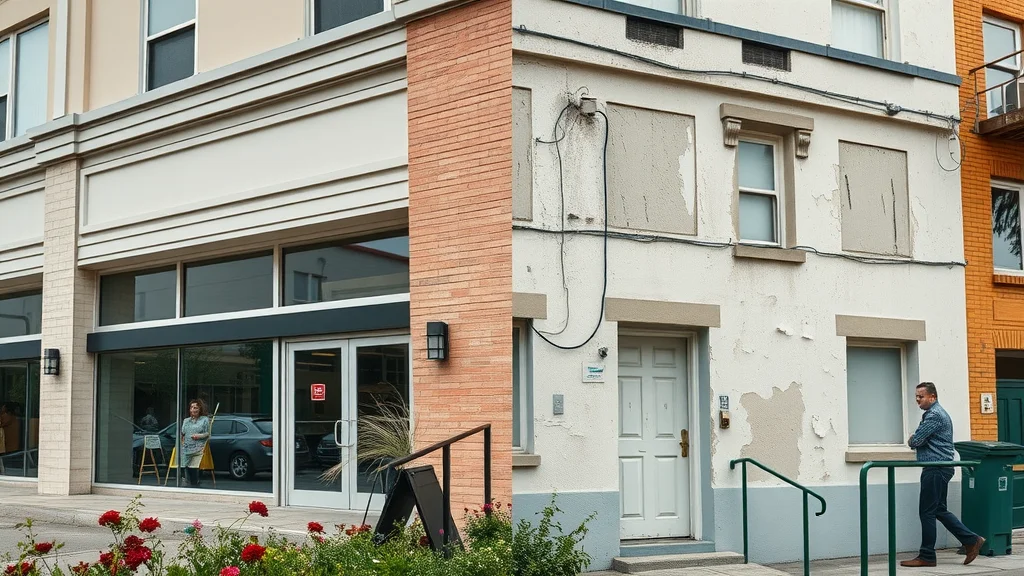
One of the prime reasons to commit to a regular painting maintenance schedule is to significantly extend the life of your investment in exterior paint. Sun, rain, snow, and temperature shifts cause even the toughest commercial paint to fade or break down over time, especially on exposed surfaces. A robust maintenance plan—facilitating inspections, washing, touch-ups, and repainting—directly reinforces your property against these environmental hazards.
With consistent care, your commercial building’s exterior maintains its protective capabilities and vibrant appearance, resisting premature aging. Refreshing high-traffic areas with a fresh coat or promptly addressing faded or chipped spots keeps curb appeal and building integrity at peak levels. This proactive approach with maintenance paint ensures you’re not scrambling for fixes, but instead controlling your budget and timelines.
Long Run Savings: Evidence from Facility Managers
Facility managers across the nation have observed firsthand the long run savings gained through disciplined painting service schedules. Regular paint maintenance not only protects assets but simplifies long-term budgeting. Facilities that adopt structured maintenance painting programs avoid the shock of sudden, multi-thousand-dollar repairs, as issues like peeling paint or exposure damage are handled before spiraling out of control.
In testimonials and surveys, experienced property managers consistently report higher valuation and lower total spend on maintenance when adhering to a planned painting schedule. For business owners, this means more predictable costs, a healthier bottom line, and peace of mind that their investments are continually protected—underscoring the lasting importance of regular maintenance painting.
Core Elements of Maintenance Painting for Commercial Buildings
-
Regular Paint Inspections
-
Prompt Touch-Ups
-
Seasonal Painting Service Scheduling
-
Comprehensive Painting Maintenance Programs
Setting Up an Effective Regular Maintenance Painting Schedule
Crafting an effective maintenance painting routine starts with reliable record-keeping and a proactive mindset. The first step is to schedule periodic inspections by a qualified professional painter. These assessments help identify potential paint issues before they become visible to tenants or the public. Leverage a digital or paper-based checklist to track high-risk zones—like building facades exposed to harsh weather, entrances with heavy foot traffic, or areas previously affected by moisture.
Next, set your painting service intervals seasonally or annually, based on manufacturer recommendations, climate, and the demands of your specific commercial property. Coordinating with experienced painting contractors ensures that premium maintenance paint and expertise are applied consistently. Over time, this process streamlines budgeting and ensures no area is left unprotected. Remember, your maintenance painting schedule is a living document—adjust it as your property’s needs or business priorities change.

Professional Painting and Paint Maintenance Checklist
A practical paint maintenance checklist for commercial buildings should include the following:
-
Inspection: Examine all painted surfaces for cracking, peeling, mold, or fading.
-
Cleansing: Wash surfaces to remove contaminants and prevent future paint damage.
-
Touch-Ups: Apply fresh paint to high-traffic or weathered areas as needed.
-
Surface Preparation: Sand, repair, and prime surfaces before any new coat of paint.
-
Documentation: Keep detailed records of all maintenance paint activities and recommendations for future actions.
Collaborating with a professional painting company ensures every step is executed with skill, reducing the risk of missed problem spots and reinforcing your building’s longevity.
Key Areas to Address During Regular Painting Maintenance
-
Exterior Paint for High-Traffic Areas
-
Interior Commercial Paint Considerations
-
Curb Appeal and Visual Branding
-
Commercial Property Upgrades
“Investing in professional painting and maintenance paint is more than an aesthetic choice—it’s essential for business durability.” – Facility Maintenance Journal
People Also Ask About the Importance of Regular Maintenance Painting
Why is regular maintenance important?
Regular maintenance, including painting, helps keep your property in peak condition by addressing minor issues before they become major problems. For a commercial building, this means enhanced safety, improved appearance, and fewer unexpected expenses. Maintenance painting specifically ensures that protective coatings remain effective—helping create a healthy, professional environment for employees and customers while maintaining your investment’s value over time.
What is the purpose of painting in property maintenance?
The main purpose of painting in property maintenance is to provide a protective barrier against daily wear, weather, and environmental contaminants. A high-quality coat of paint shields your building’s structural materials from moisture, UV rays, and pollution, preventing rapid deterioration. Paint also boosts visual branding and tenant satisfaction—key factors in commercial property success.
Why is the regular maintenance schedule important?
A regular maintenance schedule acts as a preventive care plan for your facility. Following a schedule ensures that painting and other essential maintenance tasks are performed before signs of damage appear. This not only maximizes the lifespan of each paint job but also keeps costs predictable and manageable. For commercial paint, adherence to a maintenance schedule is synonymous with efficiency and long-term savings.
What is the difference between maintenance paint and regular paint?
Maintenance paint is specifically formulated for durability and resilience, designed to provide maximum protection for high-use and exposed areas over extended periods. Regular paint may lack these advanced protective properties, leading to faster deterioration and more frequent repainting needs. Choosing maintenance paint for your commercial building provides peace of mind and measurable cost savings in the long run.
Best Practices and Steps: How to Maximize the Importance of Regular Maintenance Painting for Your Facility
-
Audit existing exterior paint and commercial paint surfaces
-
Set a maintenance painting schedule aligned with manufacturer recommendations
-
Select professional painting specialists for evaluations and execution
-
Develop a checklist for ongoing painting service checks
-
Evaluate cost savings and overall property condition annually
Common Pitfalls in Commercial Painting Maintenance to Avoid
Overlooking regular paint inspections, using low-quality or mismatched paints, and failing to address minor paint issues promptly are common pitfalls that can quickly lead to costly repairs and unsightly property deterioration. Inconsistent painting service can also result in uneven coverage and reduced protective value. By working with experienced professionals and following a robust maintenance schedule, you can sidestep these errors—and enjoy a commercial building that remains vibrant, valuable, and well-protected in the long run.
Another mistake is waiting until visual problems like peeling paint or rust appear. This reactive approach almost always ends up being more expensive than preventive painting maintenance. Instead, stay proactive with regular inspections, prompt touch-ups, and adherence to a comprehensive painting maintenance program tailored for your building’s unique needs.
FAQs: Everything You Need to Know About Regular Maintenance Painting
-
How often should maintenance painting be scheduled?
Most commercial buildings benefit from a professional inspection and potential touch-up every 1–2 years, though climate and building usage may require more frequent attention. -
What types of paint are best for maintenance painting?
High-performance acrylics, elastomeric coatings, and specialty maintenance paints designed for commercial use offer the best combination of durability, color retention, and weather resistance. -
Can maintenance painting improve commercial property value?
Absolutely. Regular painting maintenance protects your assets, boosts curb appeal, and signals quality to tenants, all of which contribute to higher property values and rental demand. -
Does maintenance paint really reduce long-term costs?
Yes. Evidence shows that scheduled painting service minimizes expensive repairs and extends the lifespan of building exteriors and interiors, leading to significant savings over ten years or more. -
Is DIY painting maintenance effective for large facilities?
For large or complex commercial properties, professional maintenance painting is strongly recommended. Experts bring the necessary equipment, safety protocols, and experience to deliver quality results and protect your investment.
Key Takeaways: The Ultimate Importance of Regular Maintenance Painting for Business Owners
-
Proactive paint maintenance is a proven way to save money and extend building lifespan
-
Professional painting ensures quality, safety, and better property valuation
-
Commercial paint schedules and maintenance paint choices are integral for business continuity

Make Your Investment Last—Start with a Free Quote for Maintenance Painting Today
Don’t wait for costly repairs to sneak up on your business. Discover the benefits of a tailored maintenance painting program and protect your property’s value now. Get Started with a Free Quoteor call(508) 799-9019 today!
Regular maintenance painting is a crucial investment for commercial property owners, offering significant financial and structural benefits. According to industry studies, properties that practice regular maintenance painting save up to 30% on long-term repair and replacement costs compared to those that neglect scheduled upkeep. This proactive approach not only enhances the building’s aesthetic appeal but also serves as a protective barrier against environmental damage, thereby extending the lifespan of the property’s surfaces. (insideoutpainting.ca)
Implementing a structured maintenance painting program offers several key advantages:
-
Financial Efficiency: A planned approach distributes costs more evenly across budget cycles and dramatically reduces total lifetime painting expenditures. (moorhousecoating.com)
-
Enhanced Protection: Paint acts as the first line of defense against moisture, UV damage, and environmental deterioration, safeguarding the building’s structural integrity. (moorhousecoating.com)
-
Appearance Consistency: Maintaining a consistent, attractive appearance supports property values and resident satisfaction, which is particularly important in competitive markets. (moorhousecoating.com)
By prioritizing regular maintenance painting, property owners can protect their investment, reduce long-term costs, and ensure their buildings remain both appealing and structurally sound for years to come.