Did you know that over 38% of commercial building repainting projects scheduled in winter experience delays or early failures due to avoidable conditions? Winter commercial painting projects can offer excellent opportunities for property upgrades and business improvements during the slower season. However, these projects come with unique risks that can lead to cost overruns, scheduling headaches, and frustrated clients—unless you plan and execute with winter-specific expertise. In this detailed guide, learn how to tackle winter interior painting, select the right commercial paint, and avoid the biggest mistakes in cold-weather repainting that could set your business back thousands.
Startling Statistics: The Real Impact of Winter Commercial Painting Projects
“Over 38% of commercial building repainting projects scheduled in winter experience delays or early failures due to avoidable conditions.”
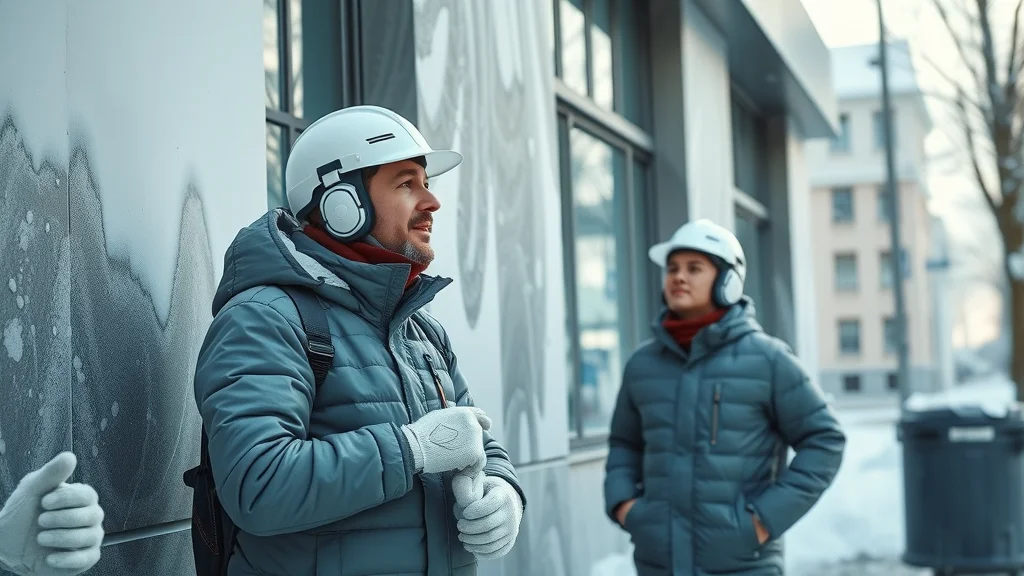
When business owners and facility managers initiate winter commercial painting projects, the stakes are higher than many realize. According to industry data, up to 38% of winter repainting jobs on commercial properties encounter delays, rapid paint failure, or need costly rework due to issues like improper product selection, insufficient drying time, or poorly managed building conditions. Cold temperatures, fluctuating humidity, and the challenges of scheduling experienced painting crews make winter months one of the most complex times for both interior and exterior painting projects.
Failing to properly assess environmental factors or choosing the wrong interior paint can jeopardize even the most promising painting business plans in winter. By knowing the common pitfalls and adopting best-practice solutions, owners and managers can transform challenging winter painting projects into efficient, high-quality upgrades that protect their commercial properties and support year-round business resiliency.
What You’ll Learn About Winter Commercial Painting Projects
-
The unique challenges of winter commercial painting projects
-
How interior paint and commercial paint performance differs in winter months
-
Best practices for commercial interior painting during winter
-
Expert tips for painting business success in cold weather
-
Critical mistakes to sidestep on any winter painting project
Understanding Winter Paint: How Climate Affects Commercial Painting
Why Winter Months Create Unique Challenges for Interior Painting Projects
Winter months introduce a set of hurdles that can sabotage even the most carefully planned painting projects. For commercial interior painting, temperature fluctuations and reduced ventilation are persistent issues. Businesses looking to update their office interiors or common areas during off-peak months enjoy more scheduling flexibility but must contend with slower drying times and the risk of trapped moisture affecting interior paint adhesion. As a result, winter paint failures—like peeling, bubbling, and poor coverage—are far more common when projects aren’t adapted to seasonal realities.
Modern painting businesses know that heating and humidity levels can fluctuate dramatically in occupied commercial buildings. Facility managers must coordinate between HVAC schedules, tenant access, and specialized contractor protocols to ensure that every painting project stays on track. Without a winter-adapted plan—including the right products, equipment, and timelines—even experienced painting companies or contractors like John Pena or Kurt Nitschke could fall prey to preventable complications.
Key Considerations for Using Commercial Paint in Cold Conditions
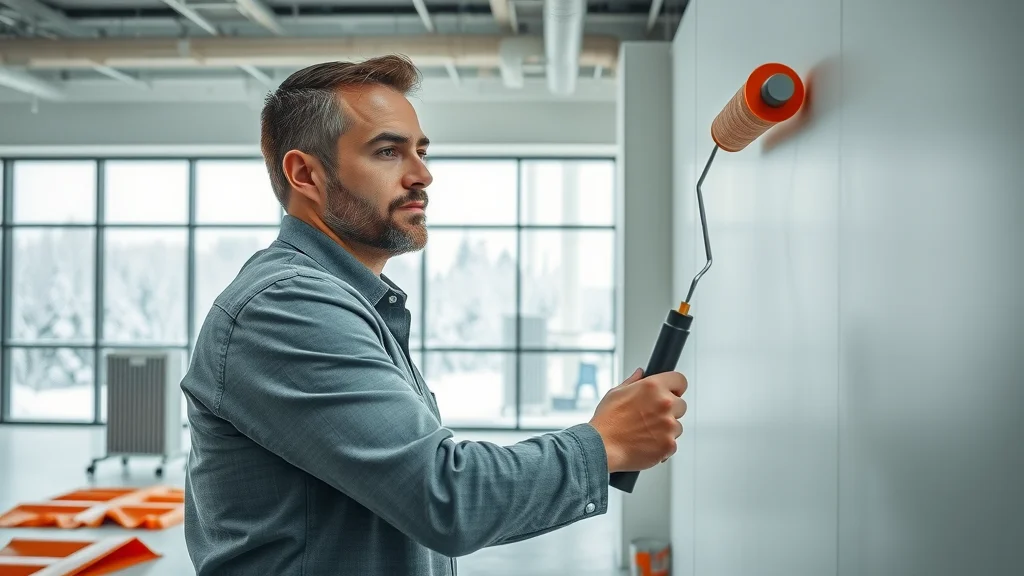
The secret to high-performing commercial paint in winter? It all starts with understanding temperature and environmental requirements. Interior paint products have specific temperature thresholds, typically ranging from 50°F to 77°F for water-based options. Below these levels, paint viscosity, adhesion, and curing time can be compromised. Humidity further complicates matters, increasing the risk of surface condensation and uneven drying on everything from walls to concrete floors. Proper ventilation is crucial, not just for drying, but to minimize health risks for both painting crews and building occupants during winter months.
-
Temperature thresholds for various paints: Latex, acrylic, and even advanced coatings require minimum temperatures. Always use products labeled for “winter,” “cold,” or “low-temp” application.
-
Humidity’s effect on drying and adhesion: High humidity means slower evaporation and longer cure times; low humidity can create brittle paint films vulnerable to cracking.
-
Ventilation concerns: Closed windows and active heating can trap fumes. Plan for supplemental ventilation in all interior painting projects, especially overnight drying cycles.
“Using the wrong product or skipping prep can add thousands in rework for your commercial painting project.”
Planning Winter Commercial Painting Projects: Essential Steps
Inspecting Your Commercial Building for Painting Readiness
A thorough initial inspection is the backbone of any successful winter commercial painting project. Business owners and property managers should start by evaluating both the surface conditions and the building’s HVAC systems. Key questions include: Are the walls or concrete floors free of residual moisture or previous paint failure? Have heating sources been running consistently enough to maintain stable conditions for winter painting? Inspections must also verify that any repairs—patching, caulking, priming—can be performed in advance of painting so the substrate is properly acclimatized. Rushed preparation or painting on damp surfaces is a leading cause of costly rework, according to seasoned professionals like PPD Painting.
Meticulous pre-project assessments, including digital measurements of temperature and humidity, reduce risk. Smart communication with facility engineers ensures the right interior areas remain accessible and climate-controlled throughout the paint job. Don’t neglect critical areas, like window sills or high-traffic lobbies, where rapid temperature swings are common during winter months.
Coordination with Painting Companies and Contractors in Winter
Effective collaboration with trusted painting companies separates winter project disasters from ongoing painting business success. Established contractors—such as PPD Painting—bring the experience and crew training needed to account for every variable, from product compatibility to accelerated scheduling. Communication should include detailed planning: what days heaters will be running, how paint deliveries will be staged, and whether specialized equipment (like temporary enclosures or exhaust fans) is required.
Avoid surprises by choosing painting contractors who offer transparent contracts, detailed timelines, and site-specific winter protocols. Facilities with high staff turnover or changeable access rules benefit from constant coordination and written summaries to ensure every stakeholder is on the same page. Periodic progress meetings, led by a project manager or building supervisor, keep winter commercial painting projects moving forward, even when external factors create unexpected delays.
Aligning the Project with Facility Schedules
Aligning a winter painting project with a facility’s existing timetable is essential for minimizing disruptions and maximizing efficiency. Since many commercial properties experience reduced foot traffic during the winter months, this period often presents a prime opportunity to complete major upgrades with limited impact on daily operations. However, it’s crucial to map painting phases—wall prep, priming, application, curing—to days and hours when HVAC schedules, tenant access, and business activities align.
Coordination with building owners and facility managers ensures that vital services like heating, ventilation, and security remain unaffected. In some cases, nighttime or weekend work, or even temporary area closures, may be required to maintain a healthy and productive environment for occupants during a winter interior painting project. Smart, synchronized scheduling will pay off with smoother results and fewer project headaches for everyone involved.
Common Pitfalls in Winter Commercial Painting Projects
Mistakes with Interior Paint Selection for Winter Months
One of the most frequent errors in winter painting projects is choosing products unsuitable for low temperatures. Many facility managers and painting contractors rush to finish upgrades, mistakenly thinking any off-the-shelf interior paint will perform the same year-round. However, not all commercial paint types are formulated for curing in cold or fluctuating humidity. Using traditional latex when winter paint is warranted can lead to uneven finishes, premature peeling, and paint that never fully hardens.
Complicating matters, some business owners are tempted by cost savings and use exterior paints indoors or vice versa, risking adhesion failures and VOC issues. Suppliers like John Pena and Kurt Nitschke stress the importance of verifying every product for winter interior application, reading technical sheets, and consulting painting industry best practices to avoid accidental—and expensive—rework.
Overlooking Surface and Concrete Floor Preparation
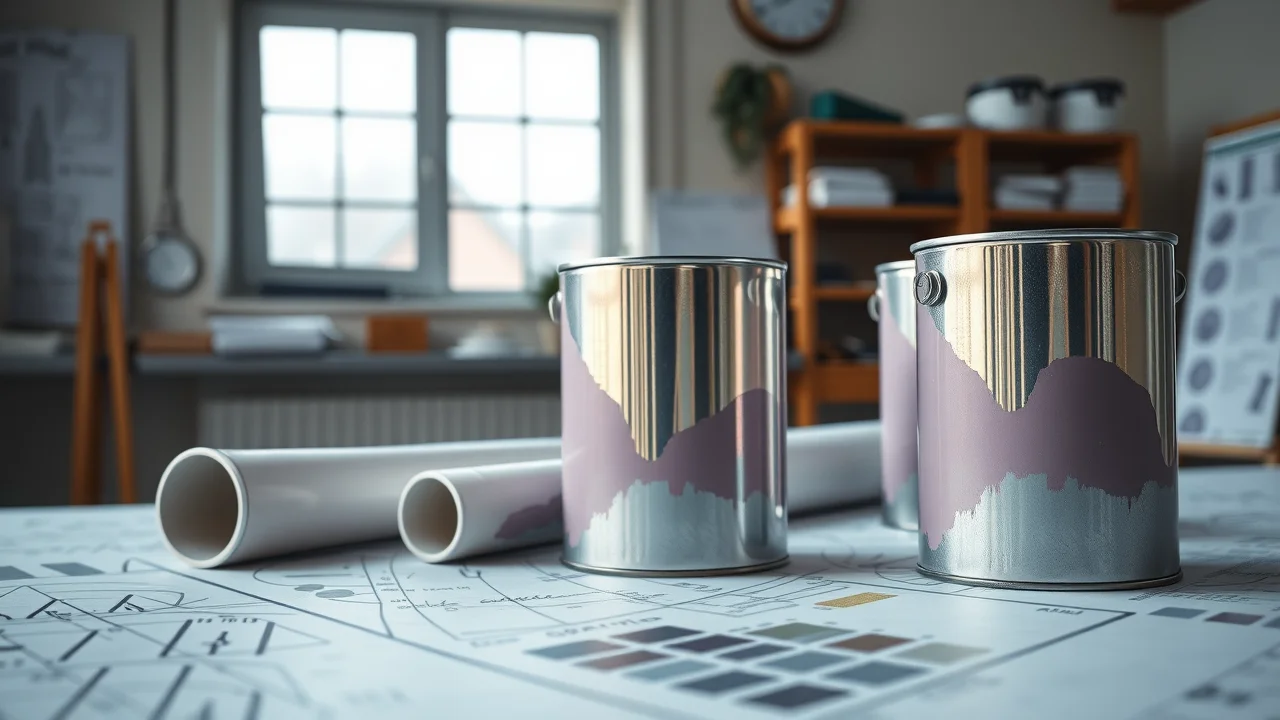
Rushing or skipping essential prep for walls and concrete floors almost guarantees failure in winter commercial painting projects. Cold, damp substrates are a hidden enemy, making it impossible for paint to properly adhere and dry. During winter months, older buildings or those recently exposed to snow or ice buildup should be thoroughly dried and cleaned before any commercial interior painting starts. Floor coverings, drop cloths, and protective barriers are non-negotiables.
Prior to priming or painting, ensure the surfaces are free of salt, condensation, and loose debris, as these can react chemically with certain commercial paints. For floors, test moisture levels—especially after heavy snowmelt or rain—and only proceed when surfaces read within manufacturer’s specified parameters. Failing to address these details is a leading cause of cracked or peeling paint, lost deposits, and angry calls from property owners who must redo jobs at their own expense.
Ignoring Weather and Environmental Controls
Among winter painting blunders, ignoring environmental controls within the commercial building is particularly costly. Contractors sometimes trust ambient space heaters or assume “close enough” is safe. But in reality, temperature swings, cold drafts, and uneven heating can lead to multiple paint failures. Smart managers use digital thermometers, monitor humidity, and manage airflow in real time to ensure curing conditions stay within product specs.
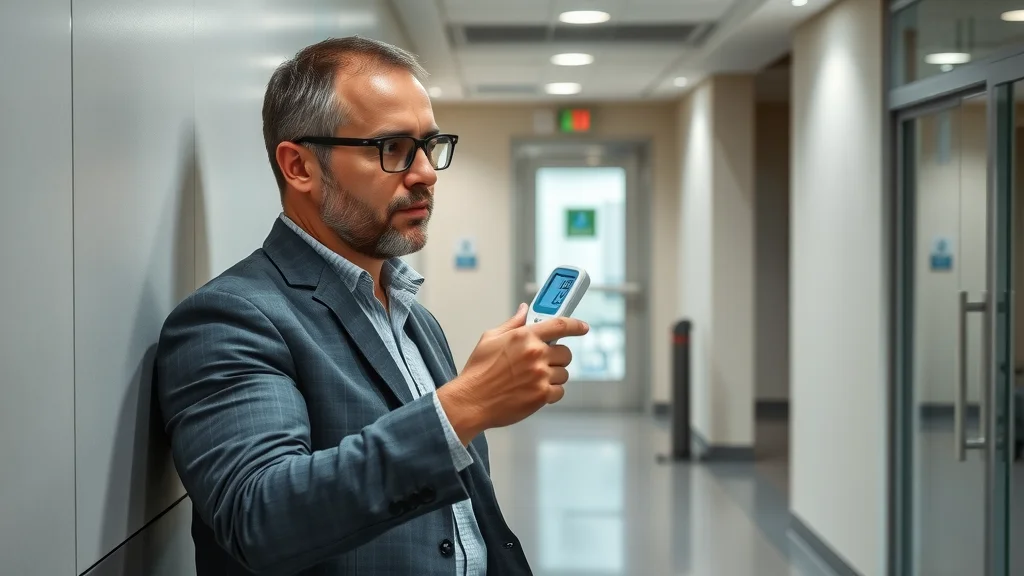
Absent these controls, expect longer project durations and possible health risks due to trapped fumes or incomplete paint cures. And without a reliable schedule, it becomes all but impossible for your painting business or contractors to maintain their hard-earned reputation for quality, especially with discerning clients.
Poor Communication with Painting Contractors or Companies
Lack of clear, documented communication between property owners or facility managers and their chosen painting companies can halt progress and undermine outcomes. Common mistakes include misaligned product expectations (interior vs exterior paint), missed HVAC coordination windows, or disputes over drying times. These breakdowns delay completion and lead to confusion—especially in winter, where factors like overnight temperature drops can drastically change paint performance.
-
Wrong paint type (exterior vs. interior paint)
-
Insufficient drying time
-
Failure to acclimatize building surfaces
Investing in recurring project updates, clear site directives, and written contingency plans will reduce the probability of major mishaps and protect your painting business’s reputation—no matter what winter throws your way.
| Top 5 Winter Commercial Painting Mistakes and Their Effects | |
| Mistake | Possible Effect |
|---|---|
| Using standard paint instead of winter paint | Poor adhesion, premature peeling, costly repaints |
| Rushed or skipped surface prep | Cracked, bubbling, or flaking finishes |
| Inadequate ventilation | Lingering fumes, health complaints, extended dry times |
| Failing to control temperature/humidity | Irregular curing, visible streaks, paint never sets |
| Poor communication with painting contractors | Mistimed work, project delays, misunderstanding of project scope |
Best Practices for Commercial Interior Painting in Winter
Selecting the Right Commercial Paint Products
For any successful winter commercial painting project, product choice is everything. Leading painting contractors and companies recommend only using commercial paint explicitly rated for low-temperature or winter application. These specialized paints contain additives that improve adhesion and durability in cold conditions, minimizing the risk of failures seen with standard interior paint. Always verify the paint’s “minimum application temperature” and cross-check with expected indoor conditions throughout the project window.
Additionally, it’s essential to confirm VOC compliance and technical compatibility with building surfaces—including gypsum, metal, or concrete floor areas. Trusted experts like the team at PPD Painting or business leaders such as John Pena remind facility managers that color selection must also consider both lighting and winter interior conditions to avoid surprises after installation.
Tips for Managing Interior Painting Business Operations in Cold Weather
Running a painting business in winter demands a proactive operational approach. Prioritize the training of your painting crews to recognize risks unique to winter months, such as condensation, temperature variance, and restricted ventilation. Maintain open lines of communication among painting contractors, project supervisors, and client facility managers at every project phase. Schedule larger jobs in well-heated buildings or stagger projects to allow sufficient drying time during off-peak hours.
Use digital tools for tracking work progress, environmental readings, and compliance checklists. Encourage painting companies to invest in portable heaters, commercial-grade fans, and advanced inspection equipment that help ensure every job meets both technical and client satisfaction benchmarks. The result? A reputation for reliability—critical to business owners looking to maintain full project pipelines through winter.

Setting Realistic Expectations with Clients for Winter Projects
Success with winter commercial painting projects comes down to clear and realistic client communication. Seasoned painting companies proactively educate facility managers and property owners about the additional time needed for surface preparation, drying, and environmental acclimatization. Set expectations around possible delays due to weather events or building access issues, and explain the rationale for using only winter-rated products.
-
Use paints rated for low-temperature application
-
Schedule projects during optimal daytime hours
-
Employ supplemental heating systems where feasible
Transparent expectations lead to smoother client relationships, reduced call-backs, and longer-lasting satisfaction.
“For commercial properties, attention to environmental details is non-negotiable for successful winter painting projects.”
People Also Ask About Winter Commercial Painting Projects
What is the going rate for commercial painting?
A: Commercial painting rates typically range from $1.50 to $6.00 per square foot, with seasonal factors influencing winter commercial painting projects costs.
How to find commercial painting work?
A: Leverage local networks, online platforms, and relationships with facility managers to secure winter commercial painting projects during slower months.
Is a commercial painting business profitable?
A: Yes, with proper planning for winter commercial painting projects, companies can maintain steady revenue through the low season.
Do people paint interiors during winter?
A: Commercial interior painting is common during winter months, particularly for buildings seeking minimal disruption in off-peak seasons.
FAQs: Winter Commercial Painting Projects
-
Is it safe to perform interior painting projects in freezing temperatures?
Yes, but only with winter paint designed for low temperatures and careful environmental control. Maintain a constant indoor temperature above the minimum paint specification to prevent failure. -
What are the best types of interior paint for winter months?
Choose low-temperature, fast-curing commercial paints rated for winter application, such as acrylic latex or epoxy formulas approved for indoor use. -
How do commercial building owners minimize project delays in winter?
By planning ahead, scheduling after-hours or during low building occupancy, and insisting on strong communication with painting contractors and companies. -
Can concrete floors be painted in cold weather?
Yes, but only when the floor is dried to recommended moisture levels, and winter-approved paint is used. Adequate heating and humidity control are a must. -
What risks do painting contractors face during winter commercial interior painting?
Common risks include job delays, increased health hazards due to poor ventilation, and product performance issues. Experienced painting businesses address these by meticulous planning and investment in proper tools.
Key Takeaways for Successful Winter Commercial Painting Projects
-
Proper preparation is vital for winter commercial painting projects
-
Choose paints and contractors with direct winter experience
-
Avoid shortcuts in surface prep for both interior and exterior work
-
Communication can make or break your painting business reputation in winter
Ready to Start Your Winter Commercial Painting Project?
Get Started with a Free Quote -https://colepainting.com/contact/or call(508) 799-9019
Conclusion: With the right preparation, product selection, and communication, your business can experience seamless winter commercial painting projects—protecting your investment and impressing your clients no matter the season.
Sources
When planning winter commercial painting projects, it’s crucial to understand the unique challenges and benefits associated with cold-weather painting. The article “Is Winter the Best Time for Commercial Painting?” highlights that winter offers advantages such as reduced humidity, which leads to better drying and curing times, and increased contractor availability, allowing for more flexible scheduling. Additionally, “Is Winter a Good Time to Schedule Commercial Painting for Your Building?” discusses potential drawbacks like ventilation issues and slower drying times due to frigid temperatures, emphasizing the importance of proper planning and environmental control. (commercialpaintersmn.com) By considering these insights, you can effectively navigate the complexities of winter painting projects and achieve high-quality results.