Did you know that unchecked corrosion can eat up to 4% of your company’s annual revenue? This silent threat lurks in every industrial plant, striking anything from steel beams to machinery, and leads to expensive repairs, downtime, and premature equipment replacement. The good news: anti-corrosion coatings in industrial painting are a powerful, cost-saving solution embraced by future-focused facility and business managers. In this comprehensive guide, discover how strategic protection coatings not only preserve your investment but also unlock long-term savings, operational efficiency, and regulatory peace of mind.
A Startling Look at Cost Savings: The Impact of Anti-Corrosion Coatings in Industrial Painting
In industrial settings, assets such as storage tanks, structural steel, and pipelines are continuously vulnerable to corrosion caused by environmental exposure, aggressive chemicals, and challenging operational conditions. Without proper protection, these valuable resources rapidly deteriorate, demanding frequent maintenance, unplanned downtime, and—ultimately—costly replacements. That’s exactly where anti-corrosion coatings in industrial painting make a significant difference. By providing a robust barrier on metal and steel surfaces, these protective coatings not only inhibit electrochemical reactions but also extend the service life of critical infrastructure.
The use of advanced corrosion protection coatings has revolutionized asset management across manufacturing, oil and gas, and heavy industry. For decision-makers like property and facility managers, investing in the right coating type can lead to dramatic operational savings, improved regulatory compliance, and fewer safety risks. Studies consistently show that every dollar spent on application of anti-corrosion coatings translates into multiple dollars saved in avoided downtime and equipment failure over the lifecycle of your assets. In today’s competitive landscape, integrating anti-corrosion strategies isn’t just a maintenance best practice—it’s a smart financial imperative.

-
Key concepts and benefits of anti-corrosion coatings in industrial settings
-
How corrosion coatings extend equipment lifetime
-
Steps for proper surface preparation and application
-
Common mistakes and how to avoid them
-
Cost analysis and ROI of anti-corrosion protection
Understanding Anti-Corrosion Coatings in Industrial Painting
The Role of Corrosion Coatings and Protective Coatings in Industrial Settings
At their core, anti-corrosion coatings in industrial painting are engineered to safeguard metal and steel substrates from the ravages of corrosive substances. From bustling oil and gas refineries to sprawling manufacturing plants, protective coatings are indispensable in mitigating the risks associated with industrial environments. These coatings create a durable layer that resists damage from humidity, salt, chemicals, and even mechanical wear, all of which fuel the relentless attack on exposed metal surfaces. The result is a substantial reduction in rust and corrosion, leading to greater reliability and performance of infrastructure.
Moreover, the value of these coatings extends beyond mere preservation of steel surfaces. By investing in the right protection coatings, business owners and facility managers actively lower ongoing maintenance costs, adhere to stringent industrial safety standards, and enhance long-term productivity. Industrial applications require coatings with high durability, flexibility, and chemical resistance. Using advanced corrosion protection coatings allows organizations to tailor asset protection strategies to their specific operational challenges, whether it’s resisting harsh marine spray or aggressive factory chemicals, ensuring tailored longevity for a wide range of industrial settings.
Corrosion Protection: How Anti-Corrosion Coatings Work
The science behind corrosion protection lies in preventing or limiting electrochemical reactions that degrade metals over time. Most metals—especially those used in industrial manufacturing—naturally react with oxygen, water, and pollutants to form rust and other forms of corrosion. Anti-corrosion coatings work by forming an impermeable barrier that physically blocks corrosive elements from contacting the metal substrate. Some coatings, like zinc-rich primers, provide “sacrificial” protection, oxidizing in place of critical steel surfaces.
Other advanced formulas offer additional properties such as UV resistance, abrasion resistance, and even self-healing capabilities. When correctly specified and applied, these protective coatings halt or slow down the corrosion process dramatically. It’s not just about rust prevention—this approach cuts costs, reduces environmental impact (by minimizing the need for frequent recoating or replacement), and aligns facilities with rigorous safety and environmental regulations.
“Industry studies reveal that unchecked corrosion can lead to up to 4% of a company’s revenue lost annually in repair and downtime costs.”
Key Benefits of Anti-Corrosion Coatings in Industrial Painting
Corrosion Protection and Enhanced Longevity
One of the principal advantages of embracing anti-corrosion coatings in industrial painting is the dramatically enhanced lifespan of equipment and structural components. These coatings, whether in the form of powder coating, epoxy, or zinc-rich primers, offer multi-layered defense against rust and environmental degradation. By maintaining the integrity of metal surfaces over the years, businesses avoid the hidden costs of early failure and repeated intervention, which can quickly escalate in scale and complexity.
In industries such as oil and gas, reliability is not just an operational concern but a matter of health and safety compliance. By extending the useful life of pipelines, storage tanks, and support structures, anti-corrosion systems grant peace of mind to facility managers while freeing up capital that would otherwise be drained by emergency fixes. In essence, these corrosion protection coatings transform asset management strategy from a cycle of constant repairs to one of predictable, manageable upkeep.

Cost Savings from Reduced Maintenance and Equipment Replacement
When factories and industrial sites implement high-quality protective coatings, they see immediate and measurable reductions in maintenance budgets. Routine painting and patchwork repairs, typically needed to handle ongoing rust and corrosion, become infrequent as robust coatings provide durable, long-lasting protection. This reduction in maintenance costs translates directly to less labor, fewer plant shutdowns, and more available production hours—key metrics for competitive industrial operations.
Moreover, the cost-benefit extends to capital expenditures: equipment protected by corrosion coatings lasts much longer, thereby extending replacement intervals and maximizing asset depreciation schedules. For facility managers, this means increased financial predictability and improved ROI over the long run. Modern anti-corrosion solutions, when combined with attentive inspection and routine touch-ups, can make the difference between running a cost-effective operation and grappling with ballooning repair bills.
Compliance and Safety: Meeting Industrial Standards for Protective Coatings
Aside from operational efficiency, anti-corrosion coatings in industrial painting play a critical role in helping facilities comply with industry regulations and safety mandates. Regulatory bodies in sectors like oil and gas, maritime, and chemical processing impose stringent standards for corrosion resistance and workplace safety. Failure to meet these requirements exposes businesses to legal risks, fines, and—critically—a greater potential for catastrophic equipment failures.
By leveraging industry-approved protection coatings, organizations not only demonstrate their commitment to best practices but also proactively reduce liability and insurance costs. Modern coatings are engineered to pass rigorous performance tests, including resistance to salt spray, chemical exposure, and mechanical impact, ensuring ongoing compliance with ISO, OSHA, and other regulatory frameworks. As a result, businesses benefit from lower risk profiles and higher operational continuity.
Types of Anti-Corrosion Coatings Used in Industrial Settings
Powder Coating, Epoxy, and Zinc-Rich Primers
The coating type you choose should align with both your operational requirements and the unique environmental stresses faced by your facility. Powder coating is a popular option in industrial settings, offering exceptional durability, impact resistance, and a clear coat finish that performs well against UV and chemical exposure. Epoxy coatings bring high adhesion and superior chemical resistance—perfect for heavy-duty or chemically aggressive conditions. Zinc-rich primers are particularly valued for steel substrates as they deliver cathodic or “sacrificial” protection, slowing rust and corrosion even when surface scratches or incidental damage occurs.
Each type of protective coating serves a particular function. Some environments may demand a multi-coat system—such as zinc primer, epoxy intermediate, and polyurethane topcoat—to address a wide range of threats and achieve maximum longevity. Facility managers should work closely with experienced applicators to assess which coatings offer the best balance of cost, durability, and regulatory compliance given their specific circumstances.
Choosing the Right Protective Coating for Steel Surfaces and More
Selecting the ideal protective coating for your steel or metal surface hinges on multiple factors: the type of substrate, exposure to weather or chemicals, and the operational demands placed upon the asset. Industrial environments often require a custom approach: for example, storage tanks exposed to water and chemicals may benefit from epoxy and polyurethanes, while outdoor structural steel is better protected by zinc-rich or galvanized coatings. The right solution must balance film thickness, drying times, and total lifecycle costs.
Consulting with a coatings expert ensures precise matching of material to application, giving you confidence that your investment will yield long-term corrosion protection. Evaluating the compatibility of their chosen system with existing maintenance routines, cleaning protocols, and regulatory standards is equally essential—making detailed specification work a best practice for all large-scale industrial painting projects.
| Comparison of Anti-Corrosion Coatings by Performance, Longevity, and Cost | |||
| Coating Type | Performance | Average Longevity | Relative Cost |
|---|---|---|---|
| Powder Coating | Excellent mechanical & chemical resistance | 15–20 years | $$ |
| Epoxy Coating | High adhesion, best for chemical/industrial | 10–15 years | $$$ |
| Zinc-Rich Primer | Sacrificial corrosion barrier for steel | 20+ years (with topcoat) | $$$ |
| Galvanized/Hot-Dip Coating | Best long-term corrosion protection | 30–50 years | $$$$ |
| Clear Coat (Polyurethane/Acrylic) | UV protection, gloss, and color retention | 5–10 years | $ |
The Process: Surface Preparation and Applying Anti-Corrosion Coatings
Essential Steps for Surface Preparation: Steel Surface & Metal Surface Readiness
Surface preparation is the cornerstone of successful anti-corrosion coatings in industrial painting. Before any protective coating can be applied, the steel or metal surface must be meticulously cleaned and profiled. This process often begins with abrasive blasting, which removes rust, mill scale, existing coatings, and contaminants. The goal: create a “tooth” for optimal coating adhesion, ensuring that new layers bond securely to the metal substrate.
Neglecting proper surface prep is a leading cause of premature coating failure. Residual debris, oil, or dust left behind—even in small amounts—can foster underfilm corrosion, causing bubbling or flaking. Typically, the sequence involves degreasing, manual or mechanical cleaning, blasting, dust removal, and immediate application of a primer. Attention to ambient conditions—humidity, temperature, and air quality—further impacts overall coating performance, making this stage a critical investment in the long-term protection of industrial assets.

Applying Anti-Corrosion Coatings: Techniques & Best Practices
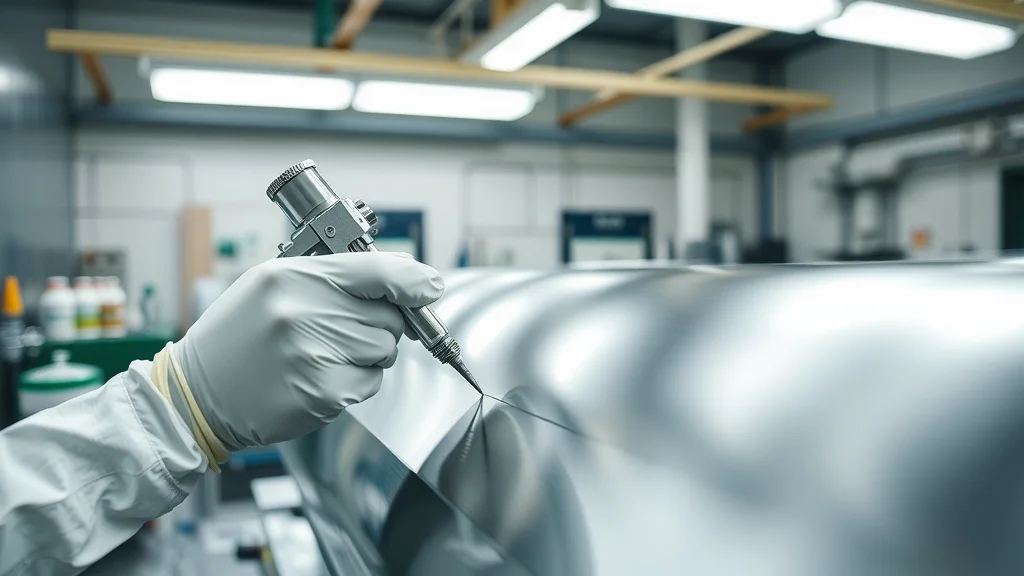
The actual act of applying anti-corrosion coatings demands a systematic, detail-oriented approach. Coatings may be brushed, rolled, or sprayed onto surfaces, with spray application being the most efficient for large industrial structures. Each layer—from primer to intermediate to topcoat—must be applied at the proper film thickness to guarantee the intended level of corrosion protection. It’s essential to follow manufacturer specifications regarding mixing, pot life, application conditions, and drying or curing times.
Skipping steps or rushing curing periods can compromise the protective barrier and diminish the coating’s performance, ultimately reducing cost savings over time. Standard operating procedures for industrial painting include frequent thickness checks, testing for adhesion, and verifying even coverage. A well-documented application process ensures quality control, leading to a finished surface with verified protection that matches the stringent demands of industrial settings.
“Preparation determines success. Proper surface prep is 80% of the coating’s performance.”
Monitoring, Film Thickness, and Quality Assurance
Optimizing Film Thickness for Lasting Corrosion Protection
The film thickness of an anti-corrosion coating is a precise measure that directly impacts its effectiveness. Too thin and the metal surface remains vulnerable; too thick and you risk cracking, bubbling, or improper curing. Modern industrial painting relies on electronic gauges and regular inspection to ensure every section of steel surface or metal substrate meets the specified standards.
For facility managers, maintaining the right film thickness means achieving balance—sufficient coverage without excess. This consistency provides dependable, long-term corrosion protection within established budgets, reducing potential touch-ups and maximizing the return on protective coating investment.

Inspection Protocols and Ongoing Maintenance
Routine inspections are a linchpin of effective industrial painting strategies. Every stage—from initial application to ongoing operation—demands a robust schedule of inspections to catch issues before they become expensive failures. QA protocols include visual assessments for bubbling, cracking, and chalking, as well as digital thickness measurements, adhesion tests, and environmental monitoring.
Successful facilities implement maintenance routines that include touch-ups, secondary coatings, and periodic cleaning, all designed to sustain corrosion resistance over the long haul. Ongoing documentation and staff training in the latest inspection technologies empower organizations to achieve maximum value from their protective coatings investment.
Case Study: Cost Analysis for Anti-Corrosion Coatings in Oil and Gas Facilities
Expense Versus Long-Term Savings: A Practical Example
Let’s look at the oil and gas sector, where the stakes—and the costs—are especially high. A mid-sized oil terminal faced annual maintenance expenses of over $500,000 due to recurring corrosion damage on steel pipelines and tanks. After implementing a systematic anti-corrosion coating program featuring zinc-rich primers and epoxy topcoats, the company’s maintenance costs dropped by over 60% within five years.
This dramatic shift resulted from fewer emergency repairs, enhanced operational uptime, and an extended replacement cycle for key infrastructure. The return on investment was further amplified by the ability to re-allocate budget toward preventive maintenance and staff training, reinforcing a proactive, rather than reactive, maintenance culture.
| ROI Breakdown: Anti-Corrosion Coatings vs. Unprotected Surfaces (5-Year Projection) | ||
| Unprotected Surfaces | With Anti-Corrosion Coatings | |
|---|---|---|
| Annual Maintenance Cost | $500,000 | $200,000 |
| Equipment Replacement (over 5 years) | $2,000,000 | $800,000 |
| Downtime Losses | $1,000,000 | $350,000 |
| Total 5-Year Expenditure | $3,500,000 | $1,350,000 |
| Net Savings | $2,150,000 (with Anti-Corrosion Coatings) | |
Common Challenges and Solutions in Applying Anti-Corrosion Coatings
-
Improper surface preparation
-
Incorrect film thickness
-
Inadequate curing time
-
Environmental factors during application
Each of these pitfalls can diminish the effectiveness of your corrosion protection strategy. The most frequent source of trouble is inadequate surface prep, which may leave contaminants that undermine adhesion and foster underfilm corrosion. Applying the wrong film thickness or failing to allow for complete curing can result in weak spots or premature failure, erasing expected savings.
Careful environmental assessment prior to application—checking humidity, temperature, and surface condition—is essential for a successful, lasting finish. Every member of the maintenance and painting team should be trained to identify and resolve these challenges, ensuring that each phase of the coating process meets or exceeds the industry’s highest standards.
Expert Tips: Maximizing Corrosion Protection in Industrial Painting Projects
-
Prioritize thorough surface prep
-
Select coatings suited for your environment
-
Regularly inspect and maintain film integrity
-
Document application processes and results
-
Train staff in up-to-date coating technologies
By following these top recommendations, business owners and facility managers can build an enduring, cost-effective maintenance routine that keeps their industrial assets shielded from the costly effects of corrosion.
FAQs About Anti-Corrosion Coatings in Industrial Painting
-
What is the difference between protective coatings and anti-corrosion coatings?
Protective coatings provide a barrier against various forms of damage, including abrasion and chemical exposure, while anti-corrosion coatings are specifically formulated to inhibit rust and corrosion on metal surfaces. Most anti-corrosion coatings also function as protective coatings, but there are protective coatings designed for unique, non-corrosive challenges as well. -
How often should anti-corrosion coatings be reapplied?
The frequency depends on the type of coating, exposure level, and the environment. For most industrial applications, anti-corrosion coatings can last from five to decades. Regular inspections are essential to determine when reapplication is needed. -
Are there eco-friendly anti-corrosion coating options?
Yes. Newer solutions, such as water-based primers and low-VOC coatings, provide corrosion resistance with reduced environmental impact. Ask your coatings supplier about the latest green technologies for your industrial facility. -
Which industries benefit most from corrosion protection coatings?
Oil and gas, marine, chemical processing, food and beverage, transportation, and manufacturing industries all significantly reduce maintenance costs, extend asset lifespan, and increase safety by using anti-corrosion coatings in industrial painting.
People Also Ask
What are anti-corrosion coatings in industrial painting?
Anti-corrosion coatings in industrial painting are specialized protective coatings applied to metal and steel surfaces to prevent rust and extend equipment lifespan. They function by forming a barrier against moisture, chemicals, and other corrosive elements commonly found in industrial settings.
How do anti-corrosion coatings reduce maintenance costs?
Anti-corrosion coatings lower maintenance costs by substantially minimizing deterioration over time, reducing the frequency and expense of repairs, and prolonging the replacement cycle for industrial assets.
What is the process for applying anti-corrosion coatings in industrial painting?
The process for applying anti-corrosion coatings in industrial painting involves thorough surface preparation, correct selection of protective coatings, careful application, and curing. Monitoring film thickness and adherence to quality standards is critical for optimal protection.
Key Takeaways: Why Invest in Anti-Corrosion Coatings in Industrial Painting

-
Substantial cost savings over time
-
Extended equipment and facility lifespan
-
Regulatory compliance and improved safety
-
Reduced unplanned downtime
-
Significant ROI for all industrial sectors
Protect Your Investment: Get Started with a Free Quote
Ready to safeguard your industrial assets with anti-corrosion coatings in industrial painting?Get Started with a Free Quoteor call(508) 799-9019.
Conclusion: Future-Proofing Industrial Assets with Advanced Anti-Corrosion Coatings
Investing in anti-corrosion coatings in industrial painting delivers proven cost savings, bolsters operational safety, and keeps your facility a step ahead of regulatory demands. Prepare your industrial assets for the future and protect your bottom line now.