Did you know that a single overlooked detail during a facility inspection can lead to costly setbacks or safety concerns? Staying ahead of problems isn’t just a matter of best practice—it’s the backbone of a thriving, well-protected business. Regular facility inspections are often underestimated, but they provide a critical layer of protection, efficiency, and value to every workspace. Below, we reveal exactly how consistent inspections can empower your organization, keep your team safe, and drive long-term success—plus, actionable steps to implement an effective inspection routine starting today.
What You’ll Learn About the Benefits of Regular Facility Inspections
Why regular facility inspections are crucial for business operations
How facility inspections enhance workplace safety and compliance
Key advantages in cost savings and asset longevity
Actionable steps to implement an effective inspection routine

Introduction: The Untapped Potential—How the Benefits of Regular Facility Inspections Empower Businesses
Imagine running your business or managing a property where equipment failures, safety hazards, and compliance issues are rare—if not nonexistent. That’s not a pipe dream; it’s the natural outcome of implementing a proactive inspection strategy. The benefits of regular facility inspections extend far beyond checking boxes for regulatory requirements; they equip leaders and managers with the tools to cultivate a culture of safety, operational excellence, and financial prudence. By taking a consistent, systematic approach, businesses stay ahead of risks, foster trust among staff and clients, and ensure every dollar invested in maintenance pays back in multiplied returns. Let’s dive further into what makes regular facility inspections a cornerstone for success in today’s modern workplace.
Understanding the Core Benefits of Regular Facility Inspections
Promoting a Safe and Compliant Workplace
Identification of safety hazards before they escalate
Ensuring compliance with federal and state regulations
Preventing workplace accidents and reducing liability
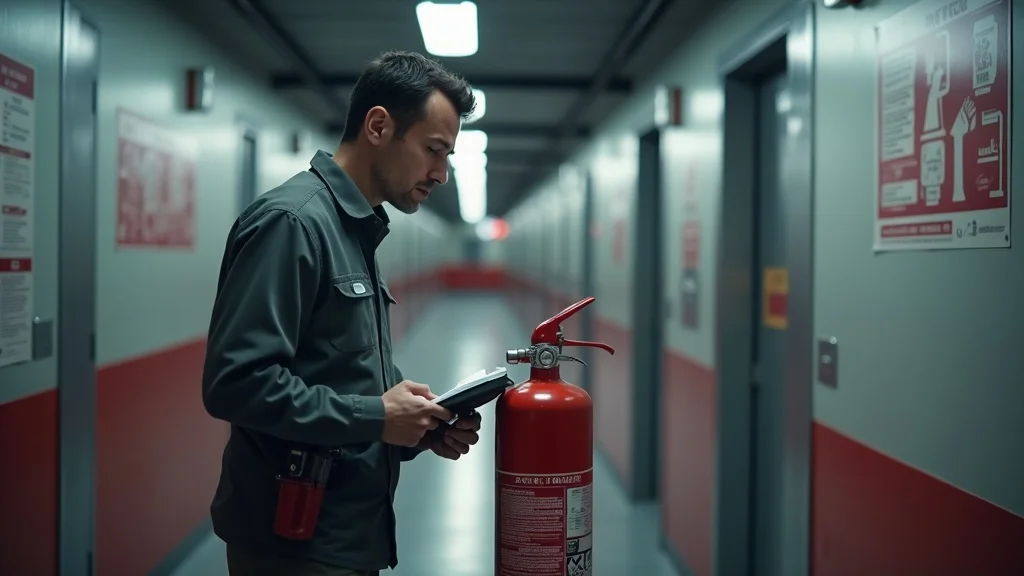
Prioritizing workplace safety is a foundational aspect of smart facility management. Regular facility inspections serve as a vigilant safeguard, identifying hidden hazards such as blocked exits, worn equipment, or outdated fire prevention measures before they turn into emergencies. Immediate attention to these risks significantly reduces the likelihood of on-the-job injuries, legal complications, or shutdowns. Moreover, keeping up with federal and state regulatory standards through inspections not only avoids costly fines but also creates an environment where employees feel valued and protected. This proactive approach doesn’t just ensure compliance—it builds a culture of accountability and security that resonates throughout your organization, reducing liability and supporting your business reputation for the long haul.
Enhancing Efficiency and Performance Through Inspections
Streamlining facility operations with routine checks
Detecting inefficiencies and operational bottlenecks
Supporting smooth, uninterrupted business activity
Routine inspections are like regular tune-ups for your business’s operations. By systematically reviewing processes, equipment, and building features, you unlock the potential to spot inefficiencies—like energy waste, system lags, or unnecessary downtime—before they develop into larger obstacles. This approach enables staff and managers to keep core workflows running smoothly, with fewer unplanned interruptions. In turn, you see real gains in productivity and morale, knowing that every component is functioning as intended. The documentation from each inspection also pinpoints patterns, helping management refine routines and adopt practical improvements that foster a more agile, resilient operation.
Cost Savings: Uncovering Financial Benefits of Regular Facility Inspections
Reducing Unexpected Costs and Future-Proofing Investments
Early detection of maintenance issues reduces expensive emergency repairs
Protecting structural and equipment longevity
Budget forecasting with predictive maintenance data
One of the standout benefits of regular facility inspections is their impact on a business’s bottom line. Emergency repairs often come with premium costs—not just in parts and labor, but also due to operational delays and reputational damage. By routinely checking equipment and infrastructure, issues are identified early when they are easier and less expensive to address. This vigilance extends the life of everything from air conditioning units to structural elements, ensuring that assets fulfill (or surpass) their intended lifespan. Additionally, conducting inspections supplies you with valuable predictive maintenance data, making it easier to plan ahead and allocate budgets wisely. By shifting from a reactive to preventative approach, you make your investments go farther and your expenses more predictable.
Investing in routine checks means fewer surprises, less downtime, and a healthier balance sheet year after year. Whether you’re thinking about property value, operational budgets, or insurance requirements, staying organized and detail-oriented during inspections keeps you ahead of avoidable costs while maximizing every dollar’s impact.
How Regular Facility Inspections Improve Asset Management
Maximizing Asset Lifespan and Value
Regular evaluation extends the functional lifespan of facilities
Maintaining appearance and reliability for higher property values
Documenting condition for insurance and audit requirements
“Consistent facility inspections are an investment in the longevity and safety of your property—it’s not just about maintenance, it’s about building a culture of protection and performance.”
Ensuring your facilities and assets are consistently inspected is an investment in their value over time. Routine evaluations spotlight early signs of wear, mechanical strain, or environmental damage, providing the chance to address issues before they diminish your property’s function or appearance. For property managers and business owners alike, this focus translates into properties that not only last longer but also retain curb appeal and higher appraisal values—key factors when it comes to leasing, reselling, or attracting clients.
Thorough inspection records also serve a dual purpose: they are valuable documentation for both insurance claims and audit requirements. This added layer of preparedness means you’re not caught off guard when an incident occurs, allowing for easier resolution and fewer disruptions. Ultimately, regular inspections are a strategic asset management tool—preserving your investments and demonstrating professional stewardship to insurers, auditors, and stakeholders alike.
Implementing an Effective Inspection Routine
Steps to Develop a Robust Inspection Schedule
Set inspection frequency based on facility needs and risk assessment
Train staff on inspection protocols and documentation
Use digital tools for recording, tracking, and updating findings
Review and update inspection criteria regularly
Implementing a routine that truly works means going beyond sporadic checks or one-size-fits-all lists. Start by determining how often inspections should occur, taking into account the unique needs, operational hours, and risk profile of your facility. Once frequency is set, it’s crucial to train your staff—not just on what to inspect, but on how to accurately record and communicate findings. Digital checklists and mobile apps can simplify this step by keeping records organized and accessible.
Make your inspection program dynamic: regularly review your procedures, update them as new equipment or regulations arise, and keep everyone involved. This not only ensures compliance and preparedness, but also creates a strong team culture focused on quality and safety. The more interactive and technology-driven your process, the more accurate and actionable your data becomes, closing the loop from detection to resolution.
Experience a 60-second walkthrough of a typical facility inspection: follow a facility manager as they check fire exits, monitor key equipment, and ensure safety features are functional, all guided by a digital checklist. Notice the before-and-after improvements and hear from satisfied staff members about how these routine inspections boost confidence and morale. When you can see the process in action, it’s clear just how impactful regular, organized inspections can be on both workplace safety and daily operations.
Industry Best Practices and the Benefits of Regular Facility Inspections
Case Studies: Success Stories from Facility Managers
Real-world examples of reduced downtime and cost savings
Innovative inspection methods that deliver measurable benefits
Across industries, facility managers have found that structured, regular inspections deliver more than just safety—they drive performance. A manufacturing plant reduced equipment downtime by 25% in a single year after implementing weekly thermal imaging checks, quickly catching anomalies before machinery could overheat or fail. In another instance, a commercial office complex used digital inspection platforms to streamline maintenance reporting, reducing repair time and tenant complaints by nearly half.
These success stories illustrate that innovative tools and a proactive mindset do more than prevent problems—they foster a culture where prevention translates directly to measurable, bottom-line benefits. When facility managers champion smart inspection routines, they unlock smoother operations, cost-savings, and a workplace known for reliability and care.
“Facility inspections are the backbone of operational excellence—savvy managers know that prevention is always more cost-effective than cure.”
| Comparison: Benefits of Regular Facility Inspections vs. Occasional Inspections | ||
| Criteria | Regular Facility Inspections | Occasional Inspections |
|---|---|---|
| Hazard Identification | Early detection, fewer incidents | Risk of missed hazards, more incidents |
| Regulatory Compliance | Continuous compliance, fewer violations | Possible non-compliance, risk of fines |
| Operational Efficiency | Consistent workflow, less downtime | Increased interruptions, reactive fixes |
| Asset Management | Prolonged lifespan, higher value | Faster depreciation, lower property value |
| Cost Effectiveness | Predictable budgeting, cost savings | Unplanned expenses, higher costs |
People Also Ask: Frequently Requested Insights on the Benefits of Regular Facility Inspections
What are the key benefits of regular facility inspections for businesses?
The key benefits of regular facility inspections for businesses include enhanced safety, ongoing regulatory compliance, reduction in unexpected repairs, and better asset management. These inspections allow you to proactively address issues before they impact operations, contributing to a more stable working environment, improved brand reputation, and sustained cost savings over time.
How do regular facility inspections impact operational costs?
Regular facility inspections help to lower operational costs by identifying minor problems before they escalate into expensive emergencies. Through early intervention and consistent maintenance, you avoid the premium rates of rush repairs, minimize equipment downtime, and plan ahead with accurate data, resulting in more predictable and manageable expenses for your business.
Can regular inspections help in meeting regulatory compliance standards?
Absolutely. Facility inspections are essential for maintaining up-to-date safety protocols and ensuring that your business always meets current health, safety, and environmental standards. By keeping records current and addressing issues as they arise, you protect your organization from potential fines and legal challenges associated with non-compliance.
FAQs on the Benefits of Regular Facility Inspections
How often should facility inspections be performed?
The frequency of facility inspections depends on the type of facility, equipment involved, and local regulations. Most businesses benefit from monthly or quarterly checks, but high-risk areas may require more frequent inspections.What areas should be prioritized during facility inspections?
Focus on high-traffic zones, safety equipment, emergency exits, mechanical rooms, and any areas prone to wear or damage. Always review compliance items and address points identified in past inspections first.Who should be responsible for conducting inspections?
Facility managers or trained staff members are best suited for inspections. However, larger organizations may partner with third-party inspectors to ensure impartiality and specialized expertise.What technologies simplify the regular inspection process?
Digital inspection tools, mobile apps, cloud-based reporting platforms, and smart sensors help streamline documentation, automate reminders, and quickly share results across teams. Leveraging these technologies improves accuracy and accountability.
Key Takeaways on the Benefits of Regular Facility Inspections
Preventative maintenance saves substantial costs long-term
Routine inspections ensure safety, compliance, and asset longevity
A systematic approach protects your brand, people, and profits
Ready to Experience the Benefits of Regular Facility Inspections?
Get Started with a Free Quote –https://colepainting.com/contact/or call(508) 799-9019.
Conclusion: Consistency is key—when you prioritize regular facility inspections, you create a safer, smarter, and more successful business for years to come.